A closed university doesn’t automatically make your degree unverifiable: the key is to find out whether you need a register check, an official extract, archived study records, or a duplicate diploma.
Those are different requests, and starting with the wrong one can send you to the wrong office. An employer may only need a way to check the diploma you already have. A foreign authority may ask for an official extract or a replacement document. If the diploma is missing, an online search won’t produce a duplicate.
This guide explains how to separate those tasks, check the education register, locate the records of a closed institution, and prepare an application. The exact route depends on what happened to the university, when you graduated, and what evidence you still have.
First identify what you need to prove
“Confirm my diploma” can mean several things. Before writing to an institution, ask the recipient what document it will accept and what fact it needs to verify: the authenticity of a diploma you still hold, your enrollment and graduation, or a replacement for a lost or damaged document.
A register check, an official extract, an archive certificate, and a duplicate serve different purposes:
| What you need | What to request | What it can establish |
|---|---|---|
| A quick check of a diploma you still have | Search in the ЄДЕБО education-document register | Whether the document appears in the online register |
| A formal record from the register | An electronic extract from the register | Register information in a document with qualified electronic signatures and the administrator’s seal |
| Evidence of study or graduation | An archive certificate or copies of preserved records | Information present in the institution’s surviving files |
| A replacement for a lost or damaged diploma | A duplicate diploma | A replacement document issued through the applicable procedure |
ЄДЕБО is Ukraine’s Unified State Electronic Database on Education. Its education-document search is useful as a first check, but a search result is not the same thing as a replacement diploma or an archive certificate.
A duplicate is a replacement document, not a general confirmation letter. The procedure for ordering, making, issuing, and recording higher education documents and duplicates is set out in Ministry of Education and Science Order No. 249, registered as No. z0494-15; the version shown in the legal register during the research was dated 12 November 2025 (Order No. 249). Check the current text before applying, because the governing procedure can be amended.
Start by asking the organization that needs the evidence for its exact requirement. A hiring manager may be able to use a register extract, while another authority may ask for a duplicate or a certified copy. If the recipient has given you a written checklist, use its wording when you contact the archive or the Ministry.
Check ЄДЕБО, but read the result carefully
The ЄДЕБО search is a sensible first step when you have a diploma in hand. The register’s online check covers education documents made from 2000 onward, with exceptions that include graduates of military institutions, certain retraining diplomas issued before 2016, and PhD or Doctor of Arts diplomas issued before 2022 (ЄДЕБО education-document check). Those coverage limits matter: a missing result may reflect the database’s coverage, not a problem with the degree.
Enter your name, patronymic, surname, and document series and number exactly as printed on the diploma. The search instructions say to enter personal names in Ukrainian (ЄДЕБО education-document check). A transcription error, a changed surname, or a mistyped series can prevent a match, so compare each field with the original before drawing conclusions.
A screen result appears immediately, according to the register’s instructions. An official electronic extract is a separate request: it carries qualified electronic signatures and the technical administrator’s seal, and the stated maximum delivery time by email is three working days (Inforesurs guidance on checking diplomas). If a recipient needs an official record rather than a screenshot, ask whether this extract meets its requirement.
The register says: “Information is displayed on the screen immediately. An extract with a qualified electronic signature is sent to the email address within three working days.”
Translation: the quick search and the formal extract are separate outputs, and the extract has a stated email delivery window. (ЄДЕБО education-document check)
A diploma issued before 2000 may not appear because the online register’s education-document data begins in 2000. The duplicate-recovery guidance explicitly warns that absence from the online system alone does not prove that an older diploma is invalid (education-law guidance on duplicate documents). For an older document, the next step is usually to locate archival or other permitted evidence, not to treat a blank search as a final decision.
If a recent diploma does not appear after you have checked the spelling and document details, preserve the search information and ask the institution responsible for the records what evidence it can provide. Don’t alter the diploma or make a replacement copy yourself. A search result is a starting point for an inquiry, not a ruling on the document’s validity.
Find the successor institution or the archive holding the records
A university may have closed, merged, or been reorganized. The institution that now holds its records may not have the same name, and the relevant archive may sit within a successor university rather than a regional state archive.
If the university was reorganized, direct a duplicate request to its successor. If there is no successor, or the institution no longer carries out educational activity, the described procedure is to apply to the Ministry of Education and Science, which determines an institution to prepare the duplicate (duplicate-document guidance). Confirm the current contact details and submission route before sending personal documents.
For an archive search, identify where the institution transferred its records. A successor’s archive may hold documents from predecessor institutions. The Ivan Franko National University of Lviv Archive, for example, says that it keeps records from a number of reorganized or joined institutions whose successor is Lviv University (Lviv University Archive). That example shows why asking the successor first can be more useful than sending a general request to an archive that never received the files.
An archive certificate and a duplicate diploma are not interchangeable. The Lviv University Archive describes services such as certificates about study periods and study format, as well as certified copies of personal-file materials. It directs people seeking a diploma duplicate to the relevant dean’s office or institution (Lviv University Archive). An archive can confirm details preserved in its records; it does not automatically issue a replacement diploma.
Include enough detail for staff to identify the right person and file. The Lviv archive asks for names, including the surname used during study, years of admission and completion, faculty, study format, and specialty. The archive also lists education level among the information needed for a search (Lviv University Archive).
The Lviv University Archive lists the information needed for a search: “year of admission, completion of studies, faculty, form of study, specialty, level of education; position, place, period of work, change of surname during study or employment at the university.”
For a former student requesting study records, the most useful details are the admission and completion years, faculty, study format, specialty, and any surname change. (Lviv University Archive)
Archives may accept written requests in person, by post, or by email, depending on their stated procedure. The Lviv archive says it accepts requests through those channels and responds based on records such as orders, personal files, and diploma-issue books (Lviv University Archive). Ask the specific archive how it accepts requests and whether it needs identity documents or copies.
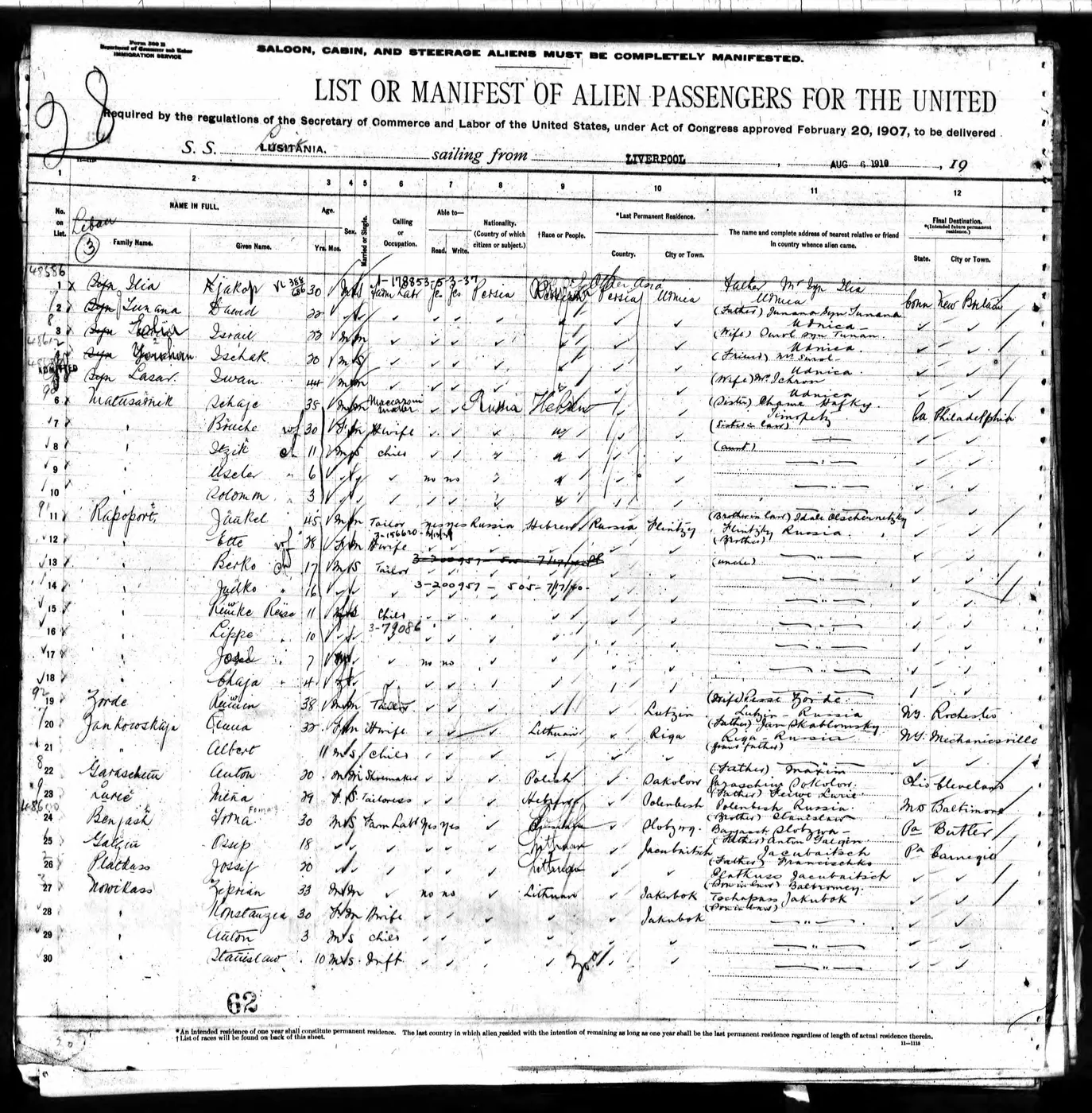
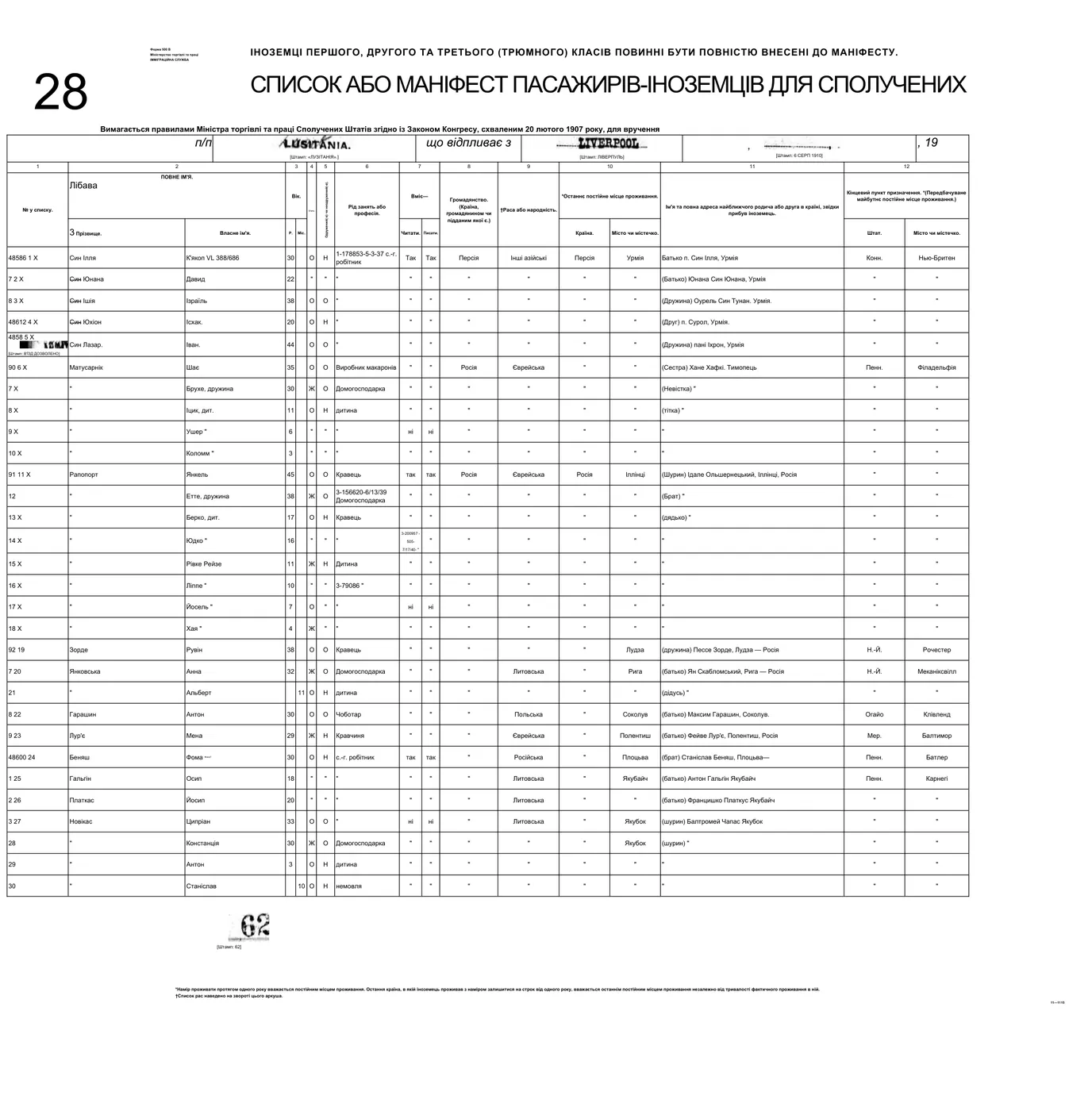
An archive’s search time depends on its own process and the completeness of the information you provide. The Lviv archive’s public guidance does not promise a universal response time. Avoid planning around an assumed deadline; ask for the current estimate when you submit the request.
Request a duplicate when the original is lost or damaged
A duplicate is relevant when the diploma itself has been lost or damaged and you need a replacement document. If you still have the diploma and only need to show that it is genuine, begin with the register or ask the receiving organization whether it requires an extract. A duplicate request involves a written application and the institution responsible for issuing it.
The route depends on the university’s status:
- Check whether the institution has a successor. If it was reorganized, contact the successor about the duplicate.
- If there is no successor, or the institution no longer provides education, apply to the Ministry of Education and Science. The Ministry determines an institution that can prepare the duplicate.
- Use the current version of Order No. 249. Its section VII is the relevant part of the procedure for duplicates; check the current text in the legal register.
- Prepare a written application and supporting evidence. Follow the current instructions of the Ministry or the institution designated to handle the duplicate.
The application described in the duplicate guidance should include your full name and date of birth, identity-document details, address and telephone number, the university’s name and your graduation year, the name of the document, the reason for the request, and consent to personal-data processing (duplicate-document guidance). Add copies of the diploma and supplement if you have them. Include evidence of a surname change if it affects the match between your current identity documents and the education records.
The supporting records may help connect your application to the right entry. Depending on what exists, the guidance identifies a diploma copy, an archive certificate about study, an extract from a diploma-issue register, or an act recording destruction of the primary document as possible evidence (duplicate-document guidance). Don’t assume every applicant can provide every item. Explain what you have and ask the receiving institution what alternatives it accepts.
A practical application should make the request easy to understand. State whether you are asking for a duplicate diploma, an archive certificate, or help identifying the records holder. List any names used during study, the years attended, the faculty and specialty, and the documents attached. Keep a copy of the application and attachments, along with proof of delivery if you send them by post.
No single price or completion time for duplicates applies to every situation in the reviewed public material. Ask the institution designated to prepare the duplicate and the relevant archive for their current fees and procedures (Order No. 249). A definite quote or deadline should come from the office handling your particular request.
If the diploma is absent from ЄДЕБО and no archive is easy to find
A missing register entry and an unavailable archive make the process harder, but they don’t automatically settle whether you earned the degree. First make sure the search was correct. Then ask the successor institution, the Ministry, or the archive that may have received the records what other evidence it can check.
The duplicate guidance identifies several possible routes when the register has no record: a copy of the diploma, an archive certificate, an extract from the diploma-issue book, or an act concerning destruction of the original document (duplicate-document guidance). Which evidence is useful depends on what survives and what the institution handling the case can verify.
If neither a register record nor accessible archival material exists, the guidance describes seeking a court decision establishing the legal fact of obtaining the relevant degree or level. It also describes confirming, through an official letter from a competent authority, the fact that the document was apostilled or consularly legalized, then submitting the materials to the Ministry so it can determine an institution to issue a duplicate (duplicate-document guidance).
A court application is not a shortcut that guarantees a duplicate. The court route concerns establishing a legal fact, and the guidance says the procedure needs an individual legal assessment. Before filing, gather the evidence you can obtain and consult a lawyer about the relevant court process and the documents needed for your circumstances.
Keep separate records of each search and reply. Save the register result, copies of archive requests, and responses explaining whether records were found or where they were transferred. A written response identifying the records holder can help you direct the next request rather than repeating the same search.
When an authority asks for translated evidence, translate the document it actually requires, not a substitute that proves a different fact. For example, an archive certificate about study periods may not satisfy a request for a diploma duplicate. If the obstacle is that a scan’s tables or layout become hard to compare with the original, ChatsControl can translate a PDF or scan into a formatted Word file while preserving the page structure. It reads scanned pages first and rebuilds the document, but handwriting and very poor-quality scans can be read unreliably; a translation also does not replace an official diploma, extract, or certified translation when an authority requires one.
Common mistakes that delay a search
Most avoidable delays come from asking for the wrong document, searching with mismatched details, or contacting an office that does not hold the records. A short check before sending a request can help prevent those problems.
- Treating a blank ЄДЕБО result as proof of invalidity. Online coverage begins with documents made from 2000 onward and has stated exceptions. Verify the search details and pursue other records when the coverage does not fit your diploma (ЄДЕБО check).
- Entering your current name instead of the name printed on the diploma. The register asks for personal details as printed on the document and requires names in Ukrainian. Check former surnames and the series and number before concluding that no match exists (ЄДЕБО check).
- Asking an archive to issue a duplicate. Archive staff may provide certificates or copies of preserved records, while the successor institution or a designated institution handles the duplicate process. The Lviv archive makes this distinction on its public page (Lviv University Archive).
- Sending a vague archive request. A request with no study years, faculty, specialty, or former surname may need clarification. Give the archive the details it says are useful for searching (Lviv University Archive).
- Assuming a notary is always needed for a personal request. The Lviv archive identifies a notarized authorization for a representative, not a universal requirement for every personal inquiry. Check the rules of the specific archive or Ministry before appointing someone to act for you (Lviv University Archive).
- Using an outdated application route. The duplicate guidance says to verify the current address and submission method with the Ministry. Check the current version of Order No. 249 and the receiving office’s instructions before sending identity documents (Order No. 249).
A useful first message is specific: identify the document you need, provide your study details, list the evidence you already have, and ask who holds the records or handles the duplicate. If you don’t know whether the university had a successor, ask the Ministry or the institution’s known former contact where its records were transferred.
FAQ
What should I do if my university has closed and I need to confirm my degree?
First check the ЄДЕБО register and confirm that you entered the details as printed on the diploma. Then identify the successor institution or records archive; request a duplicate through the successor, or apply to the Ministry of Education and Science if no successor exists or the institution no longer provides education (ЄДЕБО check; duplicate guidance).
How can I get a duplicate diploma if my university has no successor?
Submit a written application to the Ministry of Education and Science using its current process. The Ministry determines an institution that can prepare the duplicate, so check the current contact and submission instructions before sending personal documents (duplicate guidance).
How can I confirm a diploma that is not in ЄДЕБО?
Check for spelling or number-entry errors first. If the result remains blank, especially for a diploma issued before 2000, ask about an archive certificate, a diploma-issue register extract, a copy of the diploma, or other evidence allowed by the current procedure (ЄДЕБО check; duplicate guidance).
Can I confirm a diploma issued before 2000?
Yes. The online register covers education documents made from 2000 onward, so a diploma issued earlier may need to be supported by archival or other permitted evidence. Its absence from the online search alone does not establish that it is invalid (ЄДЕБО check; duplicate guidance).
Where can I request an archive certificate for study at a closed university?
Contact the successor institution’s archive or the archive that received the closed university’s records. Include your names during study, admission and completion years, faculty, study format, and specialty; ask the archive what request channel and supporting documents it currently requires (Lviv University Archive).
Need these documents translated?
Leave your number and we will message you, tell you which certification your institution needs, and name the price. Translation, translator review and notary certification.