A tax return can be a handful of pages, but translating it for a bank or visa file means more than changing Ukrainian words into English. You need the right document, a readable copy, and a format the receiving institution will accept.
Start by asking the recipient what it needs. A bank may ask for proof of income, while a tax office may ask for the filed return itself. Those are different requests, and translating the wrong document can leave you with a polished file that still doesn’t answer the institution’s question.
The same applies to certification. A translation may need a translator’s statement, notarization, or an apostille on an official document. None of those steps is automatic just because the document will be used abroad.
What tax return translation includes
A tax return translation is a complete rendering of the source document in another language, including the headings, table labels, tax codes, amounts, notes, stamps and other relevant content. The recipient may need the translated return to identify the reporting period, taxpayer and income figures without guessing how the original form is organized.
Tax paperwork can mean different things. An individual may have a Ukrainian declaration of property and income, while a sole proprietor may submit a different tax declaration or supporting records. A bank may ask for a document proving earnings rather than a filed return. A translator can work from the document you provide, but the receiving institution decides which document meets its requirements.
A useful first question is: “Do you need the filed tax return, or proof of income?” The Ukrainian Electronic Taxpayer Cabinet describes a separate request for information about income paid and taxes withheld. Its result can be viewed or downloaded as a PDF, according to the Cabinet’s help page checked in June 2026 (Electronic Taxpayer Cabinet help).
The Cabinet treats income-register information and a property and income tax return as separate items. Don’t substitute one for the other without the recipient’s approval. A bank that asked for a filed return may not accept an income record, while an institution that only needs income evidence may not need every page of a declaration.
That difference matters especially when the request is brief. “Proof of income” doesn’t necessarily mean “tax return,” and “tax documents” doesn’t identify one particular form. Send the exact name of the document to the recipient and ask whether it accepts an alternative before paying for translation.
A tax return can also include figures that appear in several places: totals, subtotals, tax already paid, and amounts carried from another section. A translation should preserve their relationship. A label separated from its figure, or a page that omits a continuation table, can make the result hard to check even when individual words are translated correctly.
The practical rule: translate the complete document requested by the recipient. If the recipient confirms that selected pages or a separate income record are enough, save that answer and use it to scope the translation.
For wider context on documents used to report income in another country, see which Ukrainian documents to translate for a tax declaration abroad. If a German authority is the recipient, the guide to translating a Ukrainian tax declaration for the Finanzamt covers that destination-specific context.
Which documents to prepare
Before requesting a quote, gather the source document and the recipient’s written requirements. You don’t need to guess whether a summary will do or whether an official stamp is necessary. Ask the institution first, then send the answer along with a clear copy of the document.
| Document or file | What it can show | What to check before translation |
|---|---|---|
| Filed tax return | The declarations and figures submitted in the relevant tax form | Confirm which reporting period and which version the recipient requests |
| Sole proprietor tax declaration | The information in the tax form filed for a sole proprietor | Check whether the recipient needs the declaration itself or supporting income evidence |
| Income-record PDF from the Electronic Taxpayer Cabinet | Income paid and taxes withheld, as described by the Cabinet | Ask whether the recipient accepts this record instead of a filed return |
| Original PDF or downloaded electronic document | The document in its digital form | Keep the original file and any associated signature file |
| Scan or phone photo | A visual copy of a paper document | Check that all pages, text, stamps and signatures are readable |
| Recipient’s instructions | The requested language, completeness and certification | Save the full wording, including any requirements for a notary or apostille |
The Cabinet’s help page says an income request can cover any five years beginning with the first quarter of 1998. Requests are made by quarter and can’t cover more than 20 quarters, according to the page checked in June 2026 (Electronic Taxpayer Cabinet help). Those details describe the income-record request, not the filing periods available for every tax-return form.
The same page says the response is a PDF, form F14191, accompanied by a .p7s file containing the State Tax Service’s qualified electronic seal. Keep both files if you’re translating the electronic original or submitting it electronically. The PDF shows the document; the associated signature file carries the electronic seal information described by the Cabinet (Electronic Taxpayer Cabinet help).
Don’t treat a screenshot as interchangeable with the source PDF. A screenshot can crop a page, soften small figures, or remove information needed to check the document’s origin. If the recipient asks for the electronic original, provide the original file and its related signature file rather than just an image of the screen.
For a paper return, scan every page in order. Check the page edges, small print, table borders, and any stamps or handwritten notes. A missing continuation page or a cropped total can make the translation incomplete even if the pages you did send look clear.
A translator also needs to know the target language and whether the recipient expects a complete translation. “English” may be enough for one institution but not another; the destination and recipient can affect whether the translation needs certification. Don’t assume that a language request automatically tells you the required legal format.
What should you send with the document?
Send the clearest source file you have, plus the recipient’s instructions and the requested target language. If you have an original electronic record, include its related signature file when the institution asks for the electronic original. If you only have a paper copy, send a full scan rather than a set of cropped images.
Tell the translator whether the document is for a bank, visa application, tax office, employer or another recipient. That context can help identify terminology and document labels, but it doesn’t replace the recipient’s written requirements. The receiving institution, not the translator, decides what it will accept.
Pitfall: sending only the pages with income totals may save translation work but can remove the context that explains those totals. Ask the recipient whether a shortened translation is acceptable before ordering one. If the recipient later requests the full return, you’ll need to arrange and submit the missing material separately.
Choosing between a translation bureau, a freelancer and an online tool
Three common options are a translation bureau, an individual translator, and an online document-translation service. The right choice depends on the format of your source file and the form of certification the recipient requires.
Translation bureau
A bureau can be a practical choice when the recipient requires a human-certified translation, when the document has difficult stamps or handwriting, or when you need help coordinating translation and certification. Before agreeing, ask exactly what the quoted service includes: translation of every page, treatment of tables, handling of stamps, and the form of certification.
Don’t assume that the word “certified” means the same thing in every country or institution. A recipient may ask for a notarized translation, a sworn translator, or a different arrangement. Ask what it means in your specific case and give that wording to the service provider.
A bureau may also offer a shortened translation, but a shorter version only works if the recipient agrees. Removing pages, blank sections or explanatory notes can change what the translation communicates. Ask how the provider handles tables, codes, amounts and empty sections, then compare the result with the institution’s request.
Freelance translator
A freelancer can suit a straightforward document when you know the required language and have a clear scope. Ask whether the translator can provide the certification you need, or whether you must arrange it separately. A translator’s confidence in their work doesn’t determine whether a bank or authority accepts the final file.
Check how the freelancer will handle numeric data and the structure of the return. A document with many rows can be difficult to review if the translation turns each cell into an unlabelled line. Ask whether the translated version will keep the table’s relationship between labels and figures.
A freelancer may also need a separate notary or certification step, depending on the recipient’s instructions. Make that part of your plan before the deadline. Translation and notarization are separate tasks, and a completed translation alone may not meet the requirement.
Online document translation
An online tool can help when the source is a readable DOCX or PDF and you need a translated file that retains its layout. ChatsControl accepts DOCX and PDF documents and returns a translated Word file with tables, headings, lists and layout kept in place. The service also supports scanned PDFs and images by reading them first and rebuilding a formatted Word file.
A tax return often relies on table structure: labels sit beside figures, totals appear in specific rows, and codes identify the relevant entries. In a text PDF, the content is positioned on the page rather than stored as Word-style paragraphs and tables. ChatsControl rebuilds the PDF into an editable Word document before translating it, which helps retain the relationship between text blocks and table content.
The tool includes a bilingual review view and checks for issues such as numbers, names, terminology and omissions. Those checks can help you review a draft, but they don’t replace the recipient’s acceptance rules or a human certification requirement.
The free tier includes 6,000 characters at sign-up. After that, pay-as-you-go document translation costs $1.50 per 1,000 characters; scanned pages use the same rate, with a minimum charge of 1,000 characters per page. Those are ChatsControl prices at the time of writing, not a price for certification or notarization.
A tool isn’t the right fit for every source. Handwriting and heavily degraded scans can be read unreliably, and the quality grade flags scan issues rather than making them disappear. If a signature, stamp or handwritten note is central to the recipient’s decision, choose a workflow with human review of the source.
How the options compare
| Option | A good fit when | Check before you choose |
|---|---|---|
| Translation bureau | You need human handling, certification coordination or help with difficult source material | Ask what certification is included and whether the provider will translate all stamps and pages |
| Freelance translator | The document is clear and the scope is specific | Confirm the translator can meet the recipient’s certification requirement |
| Online document tool | You have a readable DOCX or PDF and want to retain tables and page structure | Confirm that the recipient doesn’t require a human-certified translation |
| Online tool plus human review | The document is readable but numbers, terminology or layout need a second check | Agree who will review the original and the translated result |
Price comparisons need the same care as document comparisons. A quote for translation alone is not comparable with a quote that includes certification, notarization or delivery. Request an itemized price so you can see which steps are covered and which remain yours to arrange.
The cheapest route can also cost more time if the recipient rejects an incomplete or uncertified translation. The recipient’s requirement is the starting point: once you know it, you can compare providers on the same scope instead of comparing a plain translation with a certified service.
Step-by-step: prepare and order the translation
A complete request starts with the receiving institution, not the translation provider. Use this checklist to decide what to translate and what form the final file needs.
- Ask the recipient what document it needs. Request the exact document name and ask whether it accepts an income record instead of a filed return. Save the response.
- Confirm the target language and completeness. Ask whether the institution needs every page, including blank sections, notes and attachments, or whether it accepts selected pages.
- Ask about certification. Find out whether the recipient wants a translator’s certification, notarization or an apostille on the source document. Don’t treat these as interchangeable.
- Prepare the original file. Send the original PDF or DOCX when available. For an electronic income record, keep the PDF and the associated .p7s file described by the Electronic Taxpayer Cabinet.
- Check scan quality. Make sure all pages are present and that small figures, stamps and signatures are legible. Flag unclear handwriting rather than assuming it can be read.
- Choose a provider for the required format. Use a human service when the recipient requires a certified translation or the source needs close human examination. Use a document tool only when its output meets the recipient’s rules.
- Review the result against the original. Compare names, reporting periods, amounts, tax codes, totals and stamps. Check that each figure stays beside the right label.
- Submit the translation with the required original. Follow the recipient’s instructions on whether it wants the translated file, source document, electronic signature file or certified paper copy.
An online workflow can cover the document-translation part of these steps. In ChatsControl, you upload a DOCX or PDF and receive a translated Word document with the layout retained. The bilingual review view shows the source beside the translation, so you can compare names and amounts in context.
For a scanned document, the process begins with reading the page image and rebuilding its layout in Word. A scan is an image rather than editable text, so the system has to identify the printed words and their positions before translation can begin. Stamps, small print and handwritten notes can be harder to read than clean printed text, so check the result against the source.
On October 30, 2026, I worked with a scanned document where the stamp stayed as a picture in its original position, with a small bracketed note underneath containing the words read from it, like “[Stamp: …]”. A translator needs the stamp’s words as text because a certified translation has to translate the stamp too. Retyping a round stamp by hand is where words get lost.
That detail is easy to overlook when you prepare a scan. A stamp isn’t just a visual decoration if its wording forms part of the document. Check whether it has been transcribed and translated, and ask for human review if the image is too unclear to read confidently.
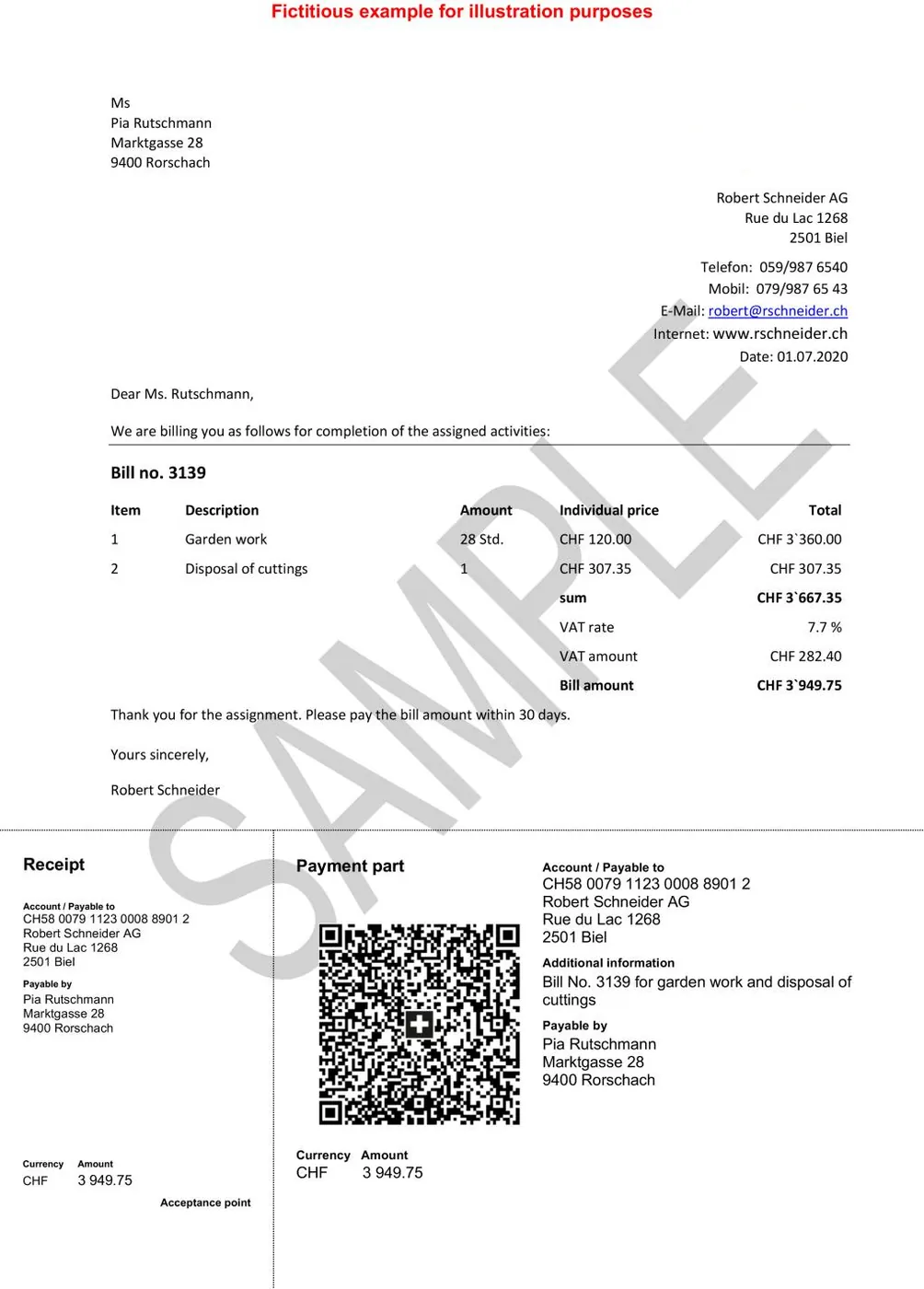
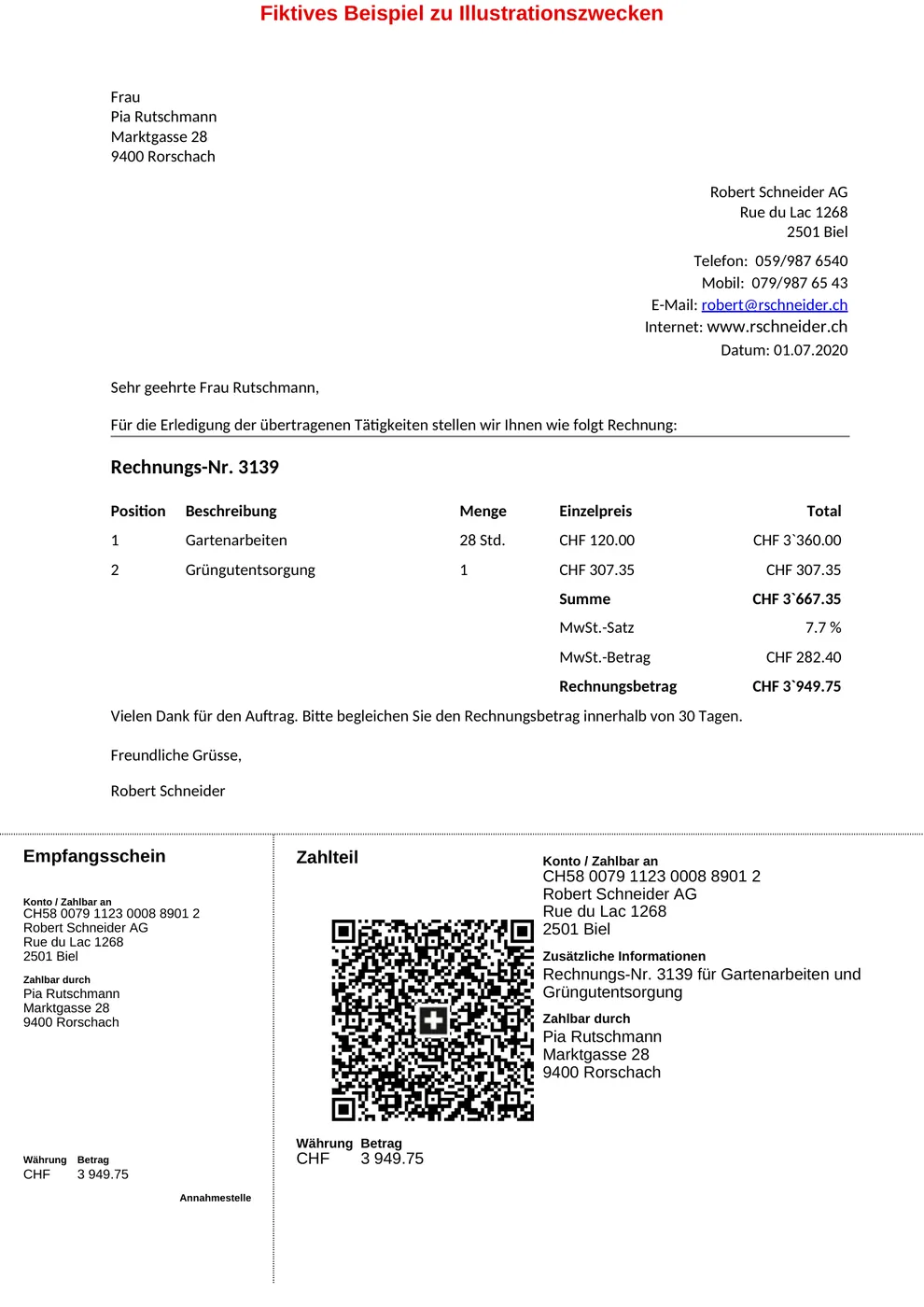
If the recipient requires a legally certified translation, use a human service rather than treating an AI-generated document as certified. ChatsControl offers a separate certified translation service in which a human qualified or sworn translator reviews and stamps the result. The service is not fully automated, so plan for the human step instead of assuming a document tool can complete it instantly.
Certification, notarization and apostille
Certification is a broad label, so ask the recipient which specific step it wants. A certified translation, notarization and an apostille do different jobs. One can’t automatically stand in for another.
A notarized translation is a translation completed through a process that includes a notary’s certification. The exact requirements depend on the recipient and the destination. Ask whether the institution requires the translator’s signature to be notarized, a sworn translator, or another form of certification before you order the translation.
An apostille is an authentication attached to a public document for use abroad. Poland’s Ministry of Foreign Affairs describes an apostille as confirming a document’s official character. The ministry’s page explains that the process authenticates the signature, the signer’s status and the seal, not the accuracy of the document’s contents (Polish Ministry of Foreign Affairs).
As the Polish Ministry of Foreign Affairs puts it:
“Apostille to poświadczenie o urzędowym charakterze dokumentu krajowego potrzebne, jeśli ma on być użyty za granicą”
The English meaning is: “An apostille is a confirmation of the official character of a national document needed if it is to be used abroad.” The quote describes the apostille’s role; it doesn’t say that every document for every foreign recipient needs one. Check the requirement for your destination and institution.
The HCCH outline of the Apostille Convention also limits the apostille’s function to authenticating a signature, the signer’s authority and a seal or stamp. It doesn’t certify the content of the document (HCCH 1961 Apostille Convention: Outline). In practical terms, an apostille won’t correct a wrong figure or confirm that your declared income is accurate.
What happens if the source is a copy?
Ask the competent authority what form of source document it will accept before starting an apostille process. Poland’s Ministry of Foreign Affairs says an apostille isn’t placed on a photocopy of a sworn translator’s translation, and its page separately states that a photocopy of a document can’t be apostilled. A copy that looks complete may therefore fail the formal requirement if the authority needs a different original or certification (Polish Ministry of Foreign Affairs).
Polish apostille procedures provide a useful example, not a universal rule for Ukrainian tax documents. The Polish ministry’s page lists a fee of 60 PLN per document for its own procedure. That is the Polish fee shown when the page was checked in June 2026, not the price of an apostille in Ukraine (Polish Ministry of Foreign Affairs).
The same page says applications can be submitted by post and that in-person apostille service requires an appointment through e-Konsulat. A postal application or an appointment can affect your timeline, but the page doesn’t state a delivery time or appointment wait. Recheck the process with the authority before making plans.
The Polish ministry also lists exceptions for some categories of documents issued in another EU country, including certain civil-status and residence or citizenship documents. Tax returns aren’t named in that list. Don’t assume that an exception for another type of document applies to a tax return without confirmation from the receiving authority.
Apostille fees and processes depend on where the document was issued and where it will be used. Don’t use the Polish fee as a quote for a Ukrainian document or as proof that your recipient requires an apostille. Confirm the responsible authority and the accepted document format first.
Pitfalls that can cause rework
A rejected or incomplete submission can mean arranging another translation, requesting a different source document, or repeating certification steps. The exact extra cost and delay depend on the recipient and the procedures involved, so don’t plan around a guessed fee or turnaround time.
1. Translating the wrong document. The Electronic Taxpayer Cabinet describes income-record information and a property and income tax return separately. If the recipient needs a filed return, an income record may not answer the request. If the recipient only needs income evidence, ask whether the record is acceptable before translating a longer return (Electronic Taxpayer Cabinet help).
2. Ordering a shortened translation without permission. A summary or selected pages might leave out a tax code, declaration note or table the recipient expects. Ask for confirmation before cutting pages or sections. If the institution later requires the full return, you may need a second translation and another submission.
3. Assuming that a translation is automatically notarized. A translation provider’s stamp, a translator’s certification and a notary’s certification aren’t automatically the same thing. Give the provider the recipient’s exact wording and ask what the quote includes. If the recipient requires notarization, a plain translation won’t meet that request by itself.
4. Treating an apostille as approval of the figures. An apostille confirms official details about a signature, the signer’s authority and the seal or stamp; it doesn’t verify the tax information (HCCH outline). Check both the authentication requirement and the translation requirement separately.
5. Sending a copy when the process requires an original. Poland’s Ministry of Foreign Affairs says it won’t apostille a photocopy of a document or a photocopy of a sworn translator’s translation. Ask the authority which version it accepts before paying for a procedure that can’t be applied to your copy (Polish Ministry of Foreign Affairs).
6. Leaving out the electronic signature file. The Cabinet’s income-record response includes a PDF and a .p7s file containing the State Tax Service’s qualified electronic seal, according to its help page checked in June 2026 (Electronic Taxpayer Cabinet help). If the institution asks for the electronic original, keep and provide both files rather than sending only a screenshot of the PDF.
7. Overlooking stamps and small print. A stamp may contain a date, authority name or other text the translator needs to include. Check that the stamp has been read and represented in the translation. When a scan is unclear, get the source checked rather than guessing what it says.
8. Comparing quotes with different scopes. One price might cover translation only, while another includes certification or notarization. Ask every provider to state what the fee covers, which pages are included and whether extra steps are charged separately. Compare like with like.
9. Treating an online draft as a certified translation. A document tool can translate text and retain formatting, but the recipient decides whether that format is acceptable. If it requires a human-certified translation, a software-generated translation doesn’t meet that requirement by itself. Use a human service for that step.
The cost of doing the translation yourself can be low in cash terms, but it may not meet an institution’s rules. A recipient can ask for a different translation or a different source document, leaving you to arrange the work again. When the recipient explicitly requires human certification, certified translation is the relevant route; when it accepts an ordinary digital translation, an online document workflow may be enough.
How to check the finished translation
A final review should compare the translation with the source, not just check whether every page looks tidy. Tax returns use numbers, labels and related rows; a small change in position can make a correct figure appear to belong to the wrong category.
Start with the identity details: taxpayer name, identification details shown in the document, reporting period and document title. Compare spellings character by character against the source. Don’t silently change a name to match a different document; tell the translator which spelling the recipient expects.
Then check every amount. Compare the translated figures with the original, including decimal separators, negative amounts, totals and amounts repeated in more than one section. A translation can render a date in another format, but the underlying date still has to match the source.
Review tax codes and form labels next. A code is not ordinary prose, so check that the digits and letters are preserved. If a label has no direct equivalent in the target language, the translation should still make the field’s meaning clear without changing the source’s structure.
Check tables row by row. Ask whether each translated label remains next to the correct amount, and whether a total is still visibly connected to the rows it totals. When the translation comes back as a Word file, compare the page layout with the original PDF or scan.
Finally, inspect stamps, signatures, handwritten additions and notes. Confirm that stamp text has been included where the recipient requires a complete translation. A signature itself may appear as an image, while readable wording around it still needs translation.
A useful personal checklist is:
- The translated file includes every page and attachment requested by the recipient.
- The taxpayer’s name and reporting period match the source.
- Every total and tax amount matches the original.
- Codes and table labels remain attached to the right entries.
- Stamps and readable notes are represented in the translation.
- The certification matches the recipient’s written instructions.
- The original file and any related signature file are ready for submission.
If a number looks wrong, don’t correct it by editing the translated file without checking the source. Ask the translator to review the specific field against the original and explain what needs changing. That leaves a clear trail of what was corrected and why.
FAQ
How much does it cost to translate a tax return into English?
ChatsControl charges $1.50 per 1,000 characters for document translation, and its free tier includes 6,000 characters at sign-up. Scanned pages use the same rate with a minimum of 1,000 characters per page; certified translation is a separate human service. The final amount depends on the file’s character count and whether you need certification.
Do I need a notarized translation of a tax return for use abroad?
Not automatically. Ask the receiving bank, authority or visa office whether it needs a plain translation, a translator’s certification or notarization, and whether an apostille is required on the source. Those steps serve different purposes.
Can I submit an income certificate instead of a tax return?
Only if the recipient accepts it. Ukraine’s Electronic Taxpayer Cabinet describes income-record information as separate from a property and income tax return, so confirm that the alternative meets the institution’s request before translating it.
Does a Ukrainian tax return need an apostille abroad?
The requirement depends on the destination and the recipient. An apostille authenticates official details such as a signature, the signer’s authority and a seal or stamp; it doesn’t verify the tax return’s contents (HCCH outline).
Will a bank or visa office accept an AI-translated tax return?
The recipient decides what it accepts. Ask whether it requires a human-certified translation before submitting; an AI-generated translation doesn’t become certified just because it looks complete.
Can a scanned tax return be translated?
Yes, if the scan is readable. Scanned pages need text recognition before translation, and unclear stamps, handwriting or degraded images can make parts unreliable. Compare the translation against the source and arrange human review where the scan isn’t clear.
Should I translate the whole tax return or only the income figures?
Translate the whole return unless the recipient confirms that selected pages or an extract are enough. A shortened version can leave out labels, codes, notes or other context that the institution needs to understand the figures.
Need these documents translated?
Leave your number and we will message you, tell you which certification your institution needs, and name the price. Translation, translator review and notary certification.