A headline can be perfectly accurate and still fail as an ad: the reader understands the words, but the joke, urgency, or emotional hook that made the original work has disappeared. That difference explains why clients sometimes pay for transcreation instead of a straight translation.
The practical question isn’t whether one service is more sophisticated. The question is what the target audience needs to do with the message. A technical instruction needs to be understood. A campaign line may need to persuade, feel familiar, or make someone laugh. Those outcomes ask for different work, different review criteria, and different deliverables.
What translation and transcreation mean
Translation conveys the meaning of a source text accurately and clearly in another language. The Chartered Institute of Linguists (CIOL) identifies legal and official documents, technical instructions, academic and scientific writing, public information, and health-and-safety material as contexts where precision matters (CIOL’s explanation of translation, localisation, and transcreation).
Transcreation recreates a message in another language while preserving its purpose, tone, and intended impact. CIOL notes that the wording can move away from the source when a more literal version wouldn’t produce a similar effect for the target audience (CIOL).
The distinction is about the intended result, not a rigid division between two job titles. A marketing project may include precise translation for product facts, localization for market details, and transcreation for its central campaign idea. CIOL explicitly cautions that the practices can overlap and that the right choice depends on content, audience, purpose, platform, and the brief (CIOL).
| Service | Main priority | Typical questions |
|---|---|---|
| Translation | Accurate understanding of the source | Are the claims, instructions, and meaning correct? |
| Localization | Fit for a specific market or user group | Are dates, currency, units, images, and practical details appropriate? |
| Transcreation | Equivalent persuasive or emotional impact | Does the message create the intended response, even if the wording changes? |
Localization is often confused with transcreation because both can involve changes beyond individual words. The difference is that localization can address practical fit: currency, date formats, units, sizes, images, payment methods, or product and website features. Transcreation focuses on recreating the message’s effect. A store changing its currency and sizing is localization-led; adapting a slogan to retain its emotional effect is transcreation-led (CIOL examples).
As CIOL puts it: “Transcreation recreates a message in another language while preserving its purpose, tone and intended impact.”
That definition makes the client’s desired outcome the starting point. If a campaign depends on an idiom, a pun, a cultural reference, or a deliberate emotional tone, matching the source wording may work against the brief. If a reader must follow a safety instruction, creative freedom can create risk rather than value.
A 2018 JoSTrans article describes transcreation as writing market-specific advertising or marketing copy from source-language copy so that the target version reads as if it originated in the target culture. The article points to language ability, copywriting, cultural sensitivity, and local-market knowledge as relevant skills (JoSTrans article). That description helps explain why transcreation isn’t simply a looser form of translation: the work asks for both language judgment and persuasive writing.
What clients are paying for
Clients don’t pay a premium just because a provider labels a service “transcreation.” The value has to show up in the work: a clear interpretation of the brief, suitable target-market wording, attention to brand voice, and deliverables that let the client review and use the result.
A translation quote is often easier to define by source text and language pair. A transcreation quote needs a fuller scope because the source word count alone doesn’t show how many creative decisions the task requires. One short slogan can take more discussion than a longer informational paragraph if the slogan depends on a pun, an emotion, or a specific brand personality.
The work can include several distinct kinds of judgment:
- Purpose and audience analysis. The writer needs to know what the campaign is meant to achieve and who will see it. “Make it sound natural” doesn’t say whether the copy should reassure, challenge, entertain, or prompt an immediate response.
- Creative interpretation. A target-language line may need a different metaphor, rhythm, or structure to make the same point. The aim isn’t to protect every source word. The aim is to preserve the message’s job.
- Market and cultural judgment. A phrase can be linguistically correct but unfamiliar, confusing, or distracting to the intended audience. A local writer has to decide whether the reference travels, needs explanation, or should be replaced.
- Brand-voice alignment. A lively line can still be wrong for a brand that sounds restrained and expert. The adaptation has to fit the identity the client wants to maintain.
- Options and rationale. A client may need more than one usable direction, especially when the campaign team is choosing between different tones. A short explanation can show what each option prioritizes without pretending there is one objectively perfect line.
- Review and implementation. The work may need feedback from a market lead, brand team, legal reviewer, designer, or campaign manager. Files may also need to fit a specific placement, character limit, or content-management system.
A useful contrast is a slogan whose source-language effect comes from wordplay. A translator can preserve the literal meaning but lose the joke; a transcreator may choose a new line that makes the audience respond in a similar way. The second line can use different imagery or syntax. The client is paying for the creative decision and the target-market fit, not for a longer version of the same sentence.
Published supplier examples describe packages that may include a creative brief-driven rewrite, native-market linguistic and cultural judgment, brand-voice alignment, revisions, or adapted campaign assets. Those inclusions vary by provider, so a buyer should check the scope instead of assuming that every transcreation quote covers the same work. A line-item quote can distinguish writing, options, review, rationale, and production-ready formatting.
Price comparisons need the same care. Comparing a per-word translation rate with an hourly creative-writing rate doesn’t tell you which is cheaper for a particular campaign. The billing unit may differ because the work differs. A provider may charge by source word, target word, hour, asset, or project, while another may include a particular revision round or visual review. Ask what the price buys and what counts as extra.
Claudia Benetello’s 2018 JoSTrans article says that “transcreation should be regarded as a different practice altogether” (JoSTrans article).
The point is not that every project needs a separate transcreation budget. The point is that clients and translators should agree on how they will evaluate the work. Translation can be checked for accuracy against the source. A transcreated line also needs review against its purpose, audience, voice, and placement. A good process doesn’t treat those criteria as interchangeable.
For a wider pricing discussion, transcreation rates and creative adaptation explains how a translator can define and charge for adaptation work. The project scope remains decisive: a higher rate is only meaningful if the client knows which decisions and outputs it covers.
When marketing teams need transcreation
Transcreation is most useful when a campaign’s success depends on how the message lands, not just whether the audience can decode it. CIOL lists advertising, brand slogans, tourism campaigns, promotional material, social campaigns, and creative content involving humor, wordplay, or emotion as common contexts (CIOL).
A slogan is an obvious candidate because short lines often carry a lot of brand meaning. Brevity can make adaptation harder, not easier: a handful of words may combine a promise, a sound pattern, a double meaning, and a call to action. Literal wording can preserve the dictionary sense while losing the reason the line was memorable.
Paid advertising often needs the same assessment. A source ad may use urgency, humor, provocation, or a cultural reference to catch attention. The target version needs to work within the same channel and campaign goal, but the reference may not be familiar or the tone may read differently. The writer needs to know what the campaign should make the audience think or do before choosing the target wording.
Social campaigns can also rely on local context. A pun, meme reference, or emotionally charged phrase may travel poorly between audiences. A direct version can sound flat; an unexamined rewrite can create a different meaning. Transcreation gives the team a way to test the intended effect rather than treating linguistic similarity as the only measure.
Tourism and promotional copy may mix emotional language with practical details. A destination line can be transcreated to preserve its appeal, while opening times, seasonal dates, prices, and travel information need accurate localization. CIOL’s practical assessment calls attention to seasonality, local date conventions, currency, delivery coverage, cultural familiarity with an idiom, and whether the promotional message itself needs creative adaptation (CIOL).
B2B companies sometimes assume that transcreation is only relevant to consumer advertising. The same decision applies to a webinar headline, a product launch email, a conference campaign, or a landing-page hook. If the copy is meant to make a specialist audience feel that a specific problem is understood, the voice and framing matter. The technical claims still need accurate translation; the persuasive framing may need creative adaptation.
A research finding can provide context for local-language content, but it shouldn’t be stretched into proof for transcreation. In a survey published on July 7, 2020, CSA Research reported that 76% of online shoppers preferred to buy products with information in their native language; the survey included 8,709 consumers across 29 countries (CSA Research, 2020 survey findings). The result supports attention to language preference. It doesn’t show that transcreation alone caused sales gains.
The same CSA Research release, published July 7, 2020, reported that 40% of surveyed consumers would never buy from websites in other languages (CSA Research). That finding is dated context, not a current market measurement or a guarantee that any particular translated campaign will convert.
Language also competes with other buying factors. CSA Research’s 2020 release reported that 66% of respondents would choose a less expensive similar product even without information in their language, while 69% would choose a major global brand over a product with local-language information (CSA Research). Those results are a reason to avoid a simple claim that localized wording alone determines a purchase.
How to scope a transcreation project
A useful transcreation brief turns an open-ended request into decisions the writer can make and the client can review. CIOL notes that “translate our website into French” isn’t a sufficient brief on its own (CIOL). The request doesn’t identify the audience, market, purpose, tone, platform, or freedom to move away from the source wording.
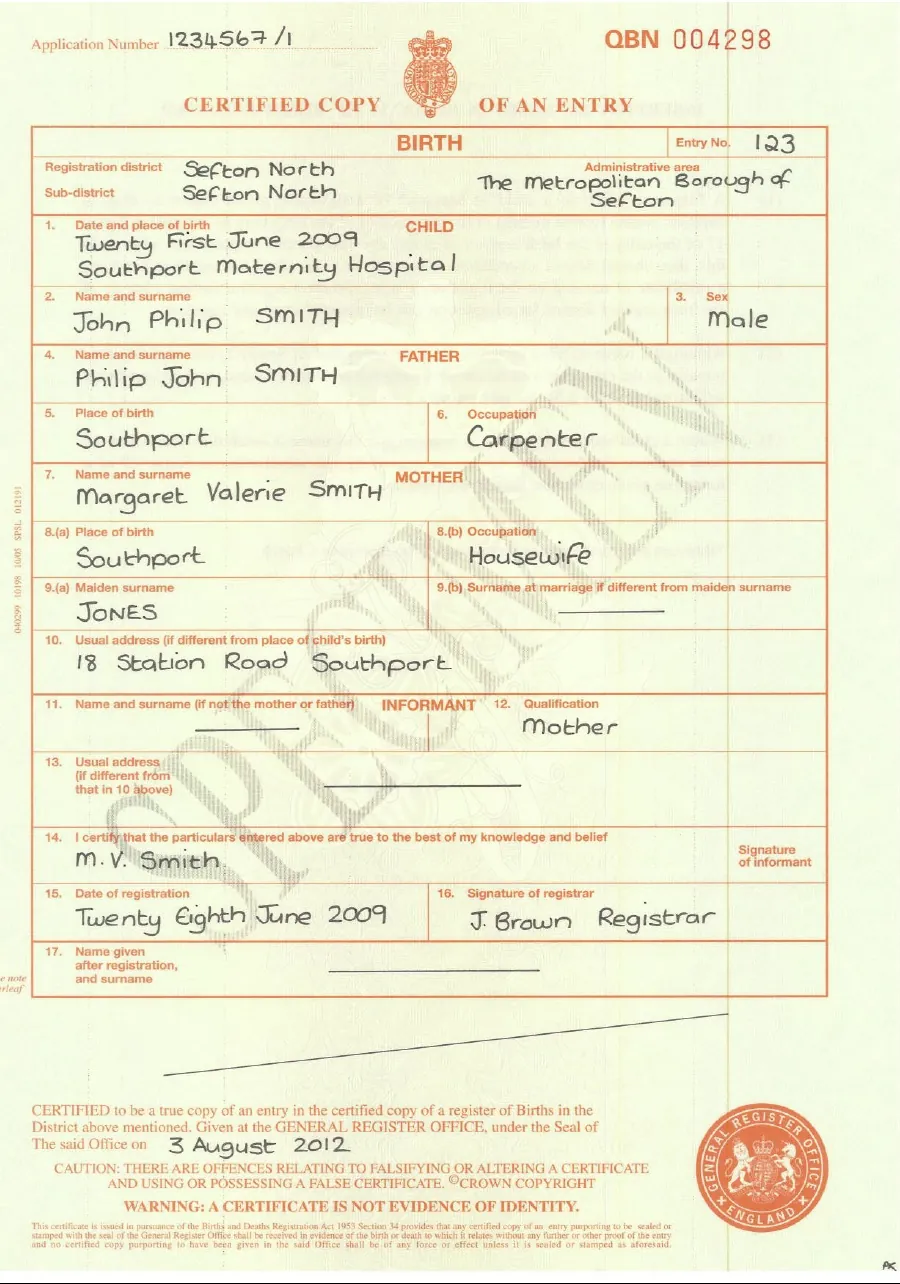
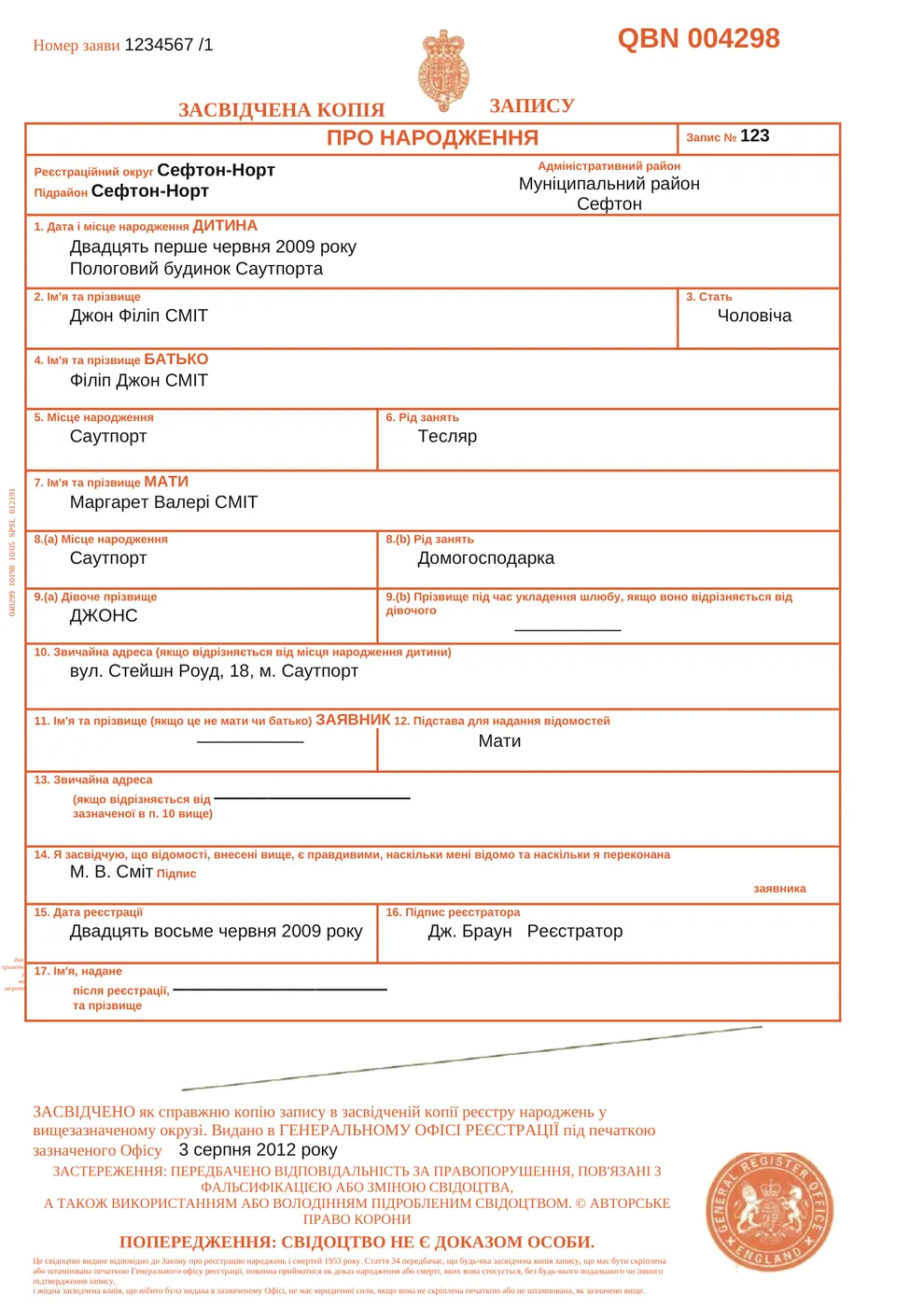
Start with the target market and audience. Name the region where the copy will appear and describe the people it needs to reach. “French-speaking customers” can cover audiences in different markets; the team needs to know which audience’s expectations, vocabulary, and conventions should guide the adaptation.
Then define the campaign purpose. What should a reader understand, feel, or do after seeing the copy? A brief that says “increase awareness” may need more detail: awareness of what, among whom, and through which message? A clear action helps the writer choose between lines that are all plausible but serve different goals.
Describe the desired tone in useful terms. “Friendly” can mean warm and personal, playful, informal, or simply free of corporate jargon. Give examples of language the brand uses and language it avoids. Existing style guides, approved terminology, previous campaign copy, and examples of successful brand communication help make abstract preferences more concrete.
Name the placement. A headline on a landing page, a search ad, a push notification, and a long-form email don’t give the writer the same room or context. Include character limits, layout constraints, and any visual or campaign elements that affect how the copy reads. A line that works in a brief may fail when it sits beside an image or within a button.
State how much freedom the writer has. Some work needs to stay close to the source because the copy includes a regulated claim or an approved product statement. Other work can change its metaphor, rhythm, or structure to preserve the intended effect. Spell out which facts must remain exact and which wording can be recreated.
Include terminology and references. Product names, preferred terms, claims, legal wording, and examples of brand voice can reduce avoidable revisions. A transcreator shouldn’t have to guess whether an unusual term is intentional or whether a phrase belongs to an established campaign.
A useful brief covers:
- Target country or region and intended audience.
- Campaign purpose and the action or response the copy should prompt.
- Desired tone, brand-voice examples, and language to avoid.
- Placement, format, and any character or layout limits.
- Facts and terminology that must remain unchanged.
- How much freedom the writer has to depart from source wording.
- Reviewers, approval steps, and required deliverables.
Agree on deliverables before work starts. A project might require one final line, a set of alternatives, a rationale, or text formatted for a specific placement. Those are different scopes. If the client expects options but the quote covers one version, the disagreement appears late, when the campaign team is already waiting to approve the copy.
A well-defined project can include source and target copy, the selected adaptation, alternative lines when agreed, notes on the creative choices, and a version prepared for its intended channel. The deliverables depend on the job; there is no universal transcreation package. A request for campaign-ready assets should say which formats and placements the team needs.
Revision rounds also need a working definition. A revision that corrects a missed fact is different from a new creative direction after the client changes the audience or campaign purpose. A brief and quote can specify who consolidates feedback, what a round covers, and which changes count as a change in scope. The aim is not to restrict useful feedback. The aim is to make the work predictable for both sides.
For an operational example of how document layout affects translation work, email campaign and push notification translation considers the formats and constraints behind short digital copy. Transcreation may change the wording, but the delivered text still has to fit its real placement.
A document workflow can help when a campaign team needs to review a formatted file rather than exchange loose text. In ChatsControl, a user uploads a DOCX or PDF and receives a translated Word file with the original layout retained; a bilingual review view shows source and target together. The tool is for document translation and review, not a substitute for the creative judgment required to transcreate a campaign line, and it doesn’t support PowerPoint or Excel. See ChatsControl.
Common mistakes that waste the budget
The first mistake is buying “transcreation” without defining the desired outcome. A request can sound creative while giving the writer no usable direction. “Make it punchier” doesn’t say whether the audience should feel excited, reassured, challenged, or curious. The writer can only make a reasoned choice when the brief names the intended effect.
The second mistake is judging the target copy by how closely it follows the source. That test rewards literal resemblance, even when literal wording makes the target line awkward or weak. Review the adaptation against the campaign purpose, audience, tone, and placement. Keep accuracy checks for claims and product facts, but don’t treat every change in wording as an error.
The third mistake is assuming that a fluent line is a successful line. Natural language matters, but naturalness by itself doesn’t show whether the copy preserves the brand’s promise or gives the reader a clear reason to act. Ask the reviewer to assess the brief’s goals, not just grammar.
A fourth mistake is treating all creative copy as a transcreation assignment. A straightforward product description may need accurate translation and market adjustments, not a complete rewrite. Some content has clear boundaries: CIOL classifies technical safety manuals and patient information for regulatory review as translation-led examples, while adapting a slogan to preserve its emotional effect is transcreation-led (CIOL).
The reverse error is asking a translator to preserve a joke, emotional appeal, and exact wording all at once. Those requirements can conflict. If the client needs the target copy to create a comparable response, the brief needs to allow changes to structure and wording while protecting the facts that must remain fixed.
Teams also confuse creative adaptation with practical localization. A witty line can’t fix a wrong currency, an unsuitable date format, or an unavailable delivery option. A campaign assessment should check practical market details as well as the message itself. CIOL identifies currency, local date conventions, seasonality, delivery coverage, and cultural familiarity with idioms among the factors to assess (CIOL).
Another budget trap is requesting options without saying how many or what they are for. “Give us a few alternatives” can lead to a set of lines with no clear decision criteria. Ask for options that represent different directions, such as a more direct approach and a more playful one, when that distinction helps the team choose. Explain who will approve the final line and what evidence or preference will guide the decision.
Finally, don’t assume that a target version will prove its effectiveness by itself. A strong adaptation can be well reasoned and still need testing in the actual campaign. Keep claims about performance separate from claims about linguistic quality. The client can assess whether the copy follows the brief and use campaign results to make later decisions, but a transcreation provider shouldn’t promise a sales outcome that the brief and evidence cannot establish.
FAQ
What is the difference between transcreation and translation for marketing copy?
Translation aims to carry the source meaning accurately into another language. Transcreation recreates the message so it can preserve the source’s purpose, tone, and intended impact, even when the target wording changes. Marketing projects can combine both approaches: facts and claims need accuracy, while a slogan or emotional hook may need creative adaptation.
Why does transcreation cost more than translation?
Transcreation can include interpretation of the brief, audience and cultural judgment, copywriting, brand-voice alignment, alternative lines, rationale, and revisions. Those tasks go beyond converting source wording, but providers define their packages differently. Ask for a breakdown of deliverables and review scope rather than assuming a fixed price multiplier.
What does a transcreation brief need to include?
Name the target region and audience, campaign purpose, desired tone and action, placement, and any limits on length or layout. Include brand-voice and terminology references, facts that must stay unchanged, and whether the writer can depart from the source wording. CIOL also warns that a request such as “translate our website into French” doesn’t provide enough direction by itself (CIOL).
When should a B2B company use transcreation instead of translation?
Use transcreation when the copy depends on persuasion, emotion, humor, wordplay, or a slogan whose effect matters more than matching its wording. Translation-led work is the better fit when a reader needs precise information, such as technical instructions or patient information for regulatory review (CIOL).
What deliverables should a transcreation project include?
Agree on the adapted copy, the placement and its constraints, any alternative versions, and review rounds before the work begins. A rationale can help explain the creative choices, and formatted campaign-ready text may be useful when the team needs to place the copy directly into a channel. Providers don’t all include the same items, so the quote should spell out the scope.
Is transcreation the same as localization?
No. Localization adapts content for a particular market or user group and can cover practical details such as currency, dates, units, images, payment methods, and product features. Transcreation focuses on recreating a message’s purpose, tone, or intended impact. One campaign may need both kinds of work (CIOL).