A visa appointment can hinge on a small detail: the certificate says your salary is monthly, while the translation makes it sound annual. The words may look close, but a bank officer or caseworker needs to understand exactly what the employer certified.
An income certificate translation is a translation of a document that states income, salary, or employment details. The right version depends on the institution receiving it. A translation alone may be enough for one application; another may require a signed translator’s statement, independent verification, or notarization.
The first decision is not which service to use. It’s which document the recipient actually wants. A “proof of income” request can refer to an employer letter, a tax record, a bank statement, or a different document altogether. Choosing the wrong source document can waste more time than choosing the wrong translation method.
What an income or employment certificate translation involves
An income certificate states earnings for a person or a particular period. An employment certificate confirms a work relationship and may include the person’s position, start date, salary, or other employment details. The documents can overlap, but they aren’t interchangeable by definition.
A Ukrainian request for proof of income may mean a letter from an employer with salary information, a tax document, a tax return, an OK-5 or OK-7 record, or a bank statement. Treat that list as a set of possible document types, not a universal official checklist. Ask the recipient for the exact name of the evidence it wants.
A translated certificate should let the reader identify what the original document says without guessing. That means preserving the employee’s name, employer name, job title, dates, salary period, amount, currency, signatures, seals, stamps, and any notes that appear on the page. Not every document contains every item. The translator should carry across the details that are present rather than adding details that seem likely.
The document title needs careful treatment too. A Ukrainian heading may not have a single fixed English equivalent. “Income certificate,” “salary certificate,” and “certificate of employment” can point to different meanings. The best translation follows the content and purpose of the original, not just a word-for-word dictionary match.
Why the exact document matters
A foreign bank asking for proof of regular income may need to see salary and employer details. A tax authority may instead want evidence of declared income or a tax record. An employer considering a job application may want a work reference or proof of employment rather than income evidence.
Before arranging a translation, send the recipient the Ukrainian document title or a clear description of the document and ask whether it matches the request. Ask for the preferred language and whether the institution wants the original, a copy, or both. If the application portal names a specific document, use that wording when you ask.
A useful message can be short:
“I have a Ukrainian employer-issued certificate showing my position and salary. Does this meet your proof-of-income requirement? Do you need a full translation, and must the translation be notarized or independently verified?”
That question helps separate three issues: the evidence itself, the translation language, and the form of certification. Solving them in that order makes it easier to compare prices and avoid paying for a form the recipient will not accept.
A work certificate can also be only one part of an application. For a short-stay Schengen application, the Visa Code covers documents about the purpose of travel, financial means, accommodation, and the applicant’s intention to leave before the permitted stay ends. The Code includes evidence of sufficient means for the stay and return or transit, but it does not say every applicant must provide an employer certificate.
The European Commission says: “The normal processing time for a visa application is 15 days. This period may be extended to up to 45 days if a more detailed examination of the application and/or additional documents are required.” (Applying for a Schengen visa)
That published timing is not a promise that every application will take the same time. It does show why it’s worth confirming document requirements early: an extra request can add steps to an application that already has a processing period.
For a broader look at employment evidence, see translating a Ukrainian employer reference for working abroad. If the receiving institution wants evidence of job history rather than current income, work reference letter formats by country may help you identify what to ask for.
Which documents might prove income or employment
The table below is a practical sorting aid, not an official list of documents accepted by every authority. Match the document to the request before translating it.
| Possible document | What it may show | What to confirm with the recipient |
|---|---|---|
| Employer income or salary letter | Employer, job title, salary, and a stated period | Whether an employer-issued certificate meets the request |
| Employment certificate | Current employment, position, and possibly start date or salary | Whether the recipient also needs income figures |
| Tax document or return | Tax-related income information | Which tax record and reporting period it needs |
| OK-5 or OK-7 record | Employment or contribution information shown in the record | Whether this record is accepted as the requested evidence |
| Bank statement | Account activity or incoming payments | Whether statements alone are accepted, and what period they must cover |
| Employer reference | A description of the person’s role or work | Whether a reference is required instead of a salary certificate |
A bank statement and an employer certificate answer different questions. The statement shows transactions recorded on an account; an employer’s certificate states information supplied by the employer. A recipient may ask for one, both, or another form of evidence.
A recent issue date can matter, but there is no universal “valid for 30 days” rule established for every financial certificate. A commercial provider may describe recent documents as common practice, but the receiving institution’s written requirement is what you should follow. Ask how recently the document must have been issued and whether the required period refers to the date of issue or the income period covered.
A document checklist before you request a quote
Collect the following information before contacting a translator or translation service:
- The exact document. Identify whether you have an employer letter, salary certificate, tax document, tax return, OK-5 or OK-7 record, bank statement, or work reference.
- The destination and recipient. Name the embassy, bank, employer, school, or government authority that will review it.
- The target language. Confirm the language the recipient accepts rather than assuming English is suitable.
- The required form. Ask whether the recipient needs an ordinary translation, a signed translator’s statement, independent verification, or notarization.
- The original-document rule. Ask whether you must submit the original, a copy, or the original together with the translation.
- The apostille question. Ask whether the document itself needs an apostille and whether that must happen before translation.
- The deadline. Include the date by which the recipient must receive the file, not just the date you plan to place the translation order.
- The scan quality. Check that names, figures, seals, signatures, and handwritten notes can be read in the copy you send for a quote.
A clear scan helps a translator quote the work and spot details that need confirmation. A phone photo may be usable if it shows the whole page, lies flat, has even lighting, and keeps small print legible. Don’t crop off the margins, reverse side, or seals just to make the main text look neater.
If the document has handwritten entries, ask how the translator will handle them. A handwritten date or correction can change the meaning of a certificate. A translation should make uncertainty visible rather than silently turning a hard-to-read mark into a definite figure.
Three ways to arrange the translation
The main options are a translation bureau, an independent translator, or an online document-translation tool. The right choice depends on the document’s condition, the recipient’s rules, and whether you need formal certification.
Option 1: A translation bureau
A bureau can coordinate translation and certification, which helps when the recipient has asked for a notarized or otherwise certified document. Before agreeing to a quote, ask what the quoted service includes: translation, proofreading, formatting, translator’s statement, notarial certification, and delivery.
A quote should make clear whether the price applies to the translation alone or includes the additional steps. Notarization is a separate procedure from translation. In a notarized translation, the notary certifies the translator’s signature or another formal act under the applicable process; notarization does not mean the notary has independently checked every translation choice.
Ask whether the bureau needs the original document in person or can work from a scan. The answer can depend on the required certification and the bureau’s process. If an original must be presented, account for delivery or an in-person visit before choosing a deadline.
One market listing reviewed during research quoted 300 UAH for an English translation, 100 UAH for a bureau stamp, and 400 UAH for notarial certification, with a separate 700 UAH price for an English certificate with notarization. Those are figures from one provider’s price list at the time it was checked, not a standard market rate or government fee. Treat them as an example of how a quote can be broken into components, not as a current price promise.
The language can affect the quote. One provider’s listed prices at the time of checking were 300 UAH for English, 430 UAH for Polish, and 450 UAH for German for a standard certificate, with certification charged separately. Ask for a fresh, itemized quote for your language pair and document.
Option 2: An independent translator
An independent translator can be suitable when the receiving institution accepts an ordinary translation or a translator’s signed declaration and your document is clear. Confirm in writing whether the translator can provide the exact form of certification the recipient requests.
Ask for a sample of the translator’s delivery format, with personal information removed. You want to know whether the final file includes the complete translation, a statement of accuracy if required, the translator’s name and signature, and contact details if the authority asks for them.
For UK Global Talent applications, the caseworker guidance says that documents not in English or Welsh must be submitted with the original and a full independently verified translation. The guidance for that route also specifies information such as confirmation of accuracy, the date, the translator’s full name and signature, and contact details. If the applicant applies from inside the UK, the guidance also asks for information about the translator’s or company’s qualifications. These are requirements for that route, not a general rule for every visa or institution. See the UK Global Talent caseworker guidance.
“All documents provided with an application must be in English or Welsh. If they are not, the applicant must provide the original and a full translation which has been independently verified.” (UK Home Office Global Talent caseworker guidance, version 19.0)
The phrase “independently verified” matters. A translation that merely looks polished may not meet that route’s stated requirement. Check that the translator can provide what the guidance asks for, and make sure the original travels with the translation when the application requires both.
A different UK route has its own rules. The High Potential Individual caseworker guidance says that if a requested translation is not provided or cannot be checked, the document will not be accepted as evidence for that route. Don’t apply that rule to other routes without checking their guidance.
Option 3: An online document-translation tool
An online tool can help when you need a readable draft of a complete document and the layout matters. In ChatsControl, you upload a DOCX or PDF and receive a Word translation that keeps document structure such as tables, headings, and lists. A scan or photo can be read first, then rebuilt as a formatted Word file.
The layout matters because a salary certificate may put the amount beside a label, show several periods in a table, or place a stamp over a corner of the page. A plain-text translation can separate a number from the label that explains it. Keeping the structure helps a reviewer compare the original details with the translated ones.
ChatsControl also shows the source and translation side by side for review. That makes it easier to check names, dates, and amounts against the source. The tool is not a substitute for a human-certified translation when the recipient requires one. Handwriting and very degraded scans can also be read unreliably, so use a human translator who can check the original when a key entry is unclear.
The service has a free allowance of 6,000 characters at sign-up; the monthly remainder is topped up to 1,000 characters rather than added to a larger balance. Paid usage is $1.50 per 1,000 characters, and scans use the same rate with a minimum of 1,000 characters per page. Those are ChatsControl prices and limits listed in its current product pricing information; check the app before relying on them.
For documents that need a formal human certification step, the certified translation service connects the translation with a human translator and notarial service. The listed service prices are 300 to 750 UAH per 1,800 characters depending on language, 400 UAH for notarial certification per document, and 2,100 UAH for an apostille per document. Confirm the current quote and the recipient’s requirements before proceeding.
Comparing the options
| Option | Useful when | Main checks | Limitation |
|---|---|---|---|
| Translation bureau | You need help coordinating translation and formal steps | What the quote includes, whether the original is needed, and what certification is supplied | Price and workflow depend on the provider |
| Independent translator | The recipient accepts the translator’s own statement or a specified independent verification | Qualifications, signed statement, contact details, and format | May not offer notarization or the exact service you need |
| Online document tool | You need a formatted draft or want to check text against the original | Scan clarity, names, numbers, and whether a human-certified version is required | Not a replacement for certification; handwriting may be unreliable |
Don’t compare a plain translation price with a quote that includes notarization and treat the difference as a markup on the same service. Ask each provider to name the deliverables. A useful comparison includes the language, source file format, translation, review, certification, original-document handling, and delivery method.
How to get the right translation, step by step
A good process begins with the recipient’s requirements and ends with a final check against the original. Use these steps whether you work with a bureau, an independent translator, or an online service.
- Ask what evidence the recipient accepts. Describe the document you hold and ask whether it meets the request. If the recipient wants a different document, translating the certificate you already have will not fix that mismatch.
- Confirm the language and format. Ask whether the translation must be complete and whether the original must accompany it. Check for instructions about signed statements, independent verification, or notarization.
- Ask about an apostille separately. An apostille is a certificate that authenticates the origin of a public document for use abroad in applicable procedures. It is not a translation and does not certify that the translation is accurate. Ask whether the recipient requires one for this document and procedure before paying for it.
- Prepare a clear copy of every page. Include the reverse side if it has text or marks. Check that a stamp, seal, signature, date, or handwritten entry is not cut off or blurred.
- Request an itemized quote. Ask the provider to separate translation from review, certification, notarization, apostille, and delivery. Give the document’s language and the recipient’s deadline.
- Check names and figures. Compare the translation with the source, paying close attention to the employee’s name, employer, job title, salary, currency, period, and dates.
- Submit the package the recipient requested. Include the original or copy if required, and keep the translation attached to the correct source document.
The order of the apostille and translation can depend on the document and the recipient’s process. Don’t assume that every income certificate needs an apostille, and don’t order one “just in case.” A commercial service may describe apostilles as unnecessary for many visa files, but that is not a legal rule for every country or procedure. The receiving authority’s instruction is the useful answer.
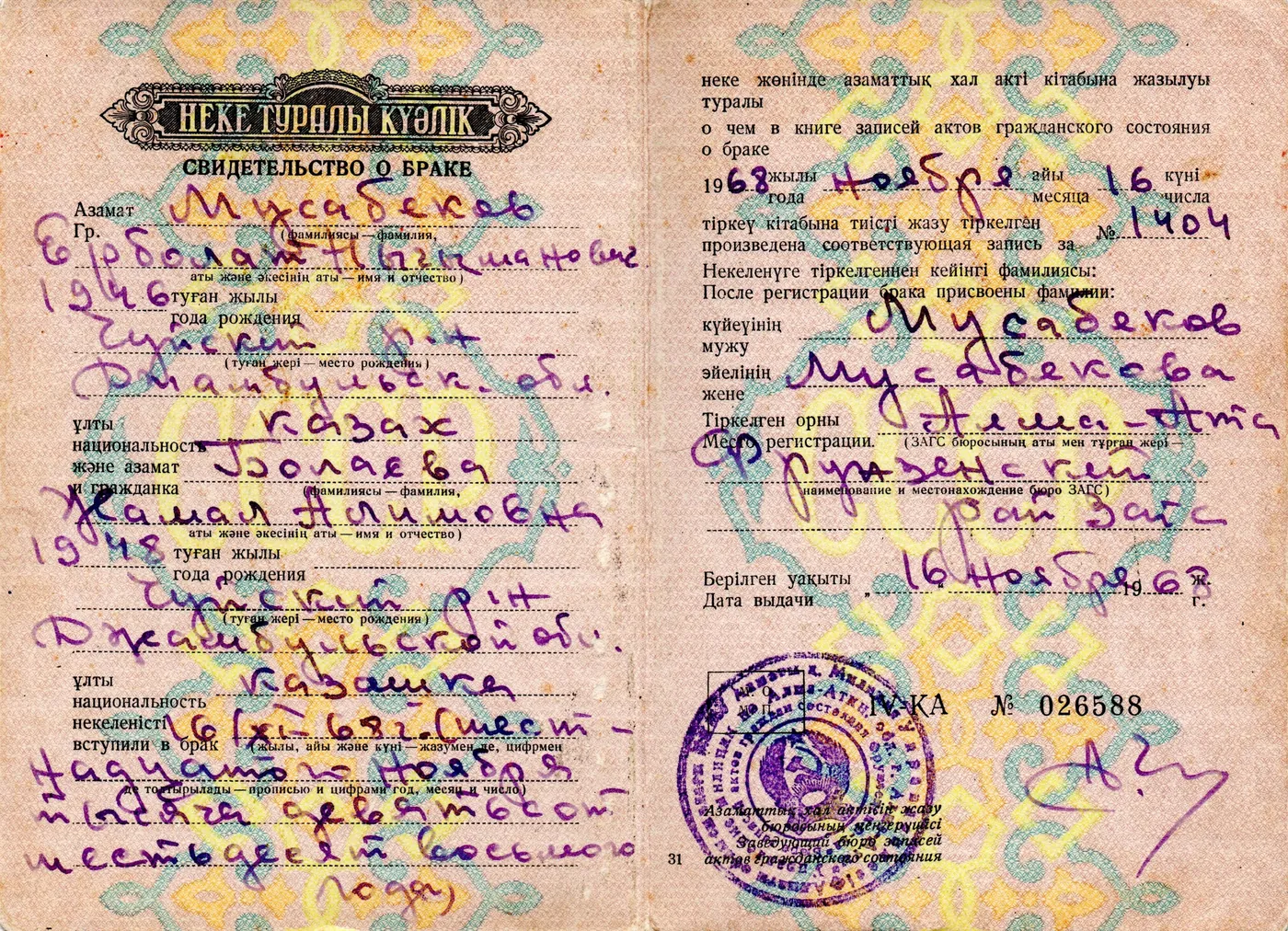
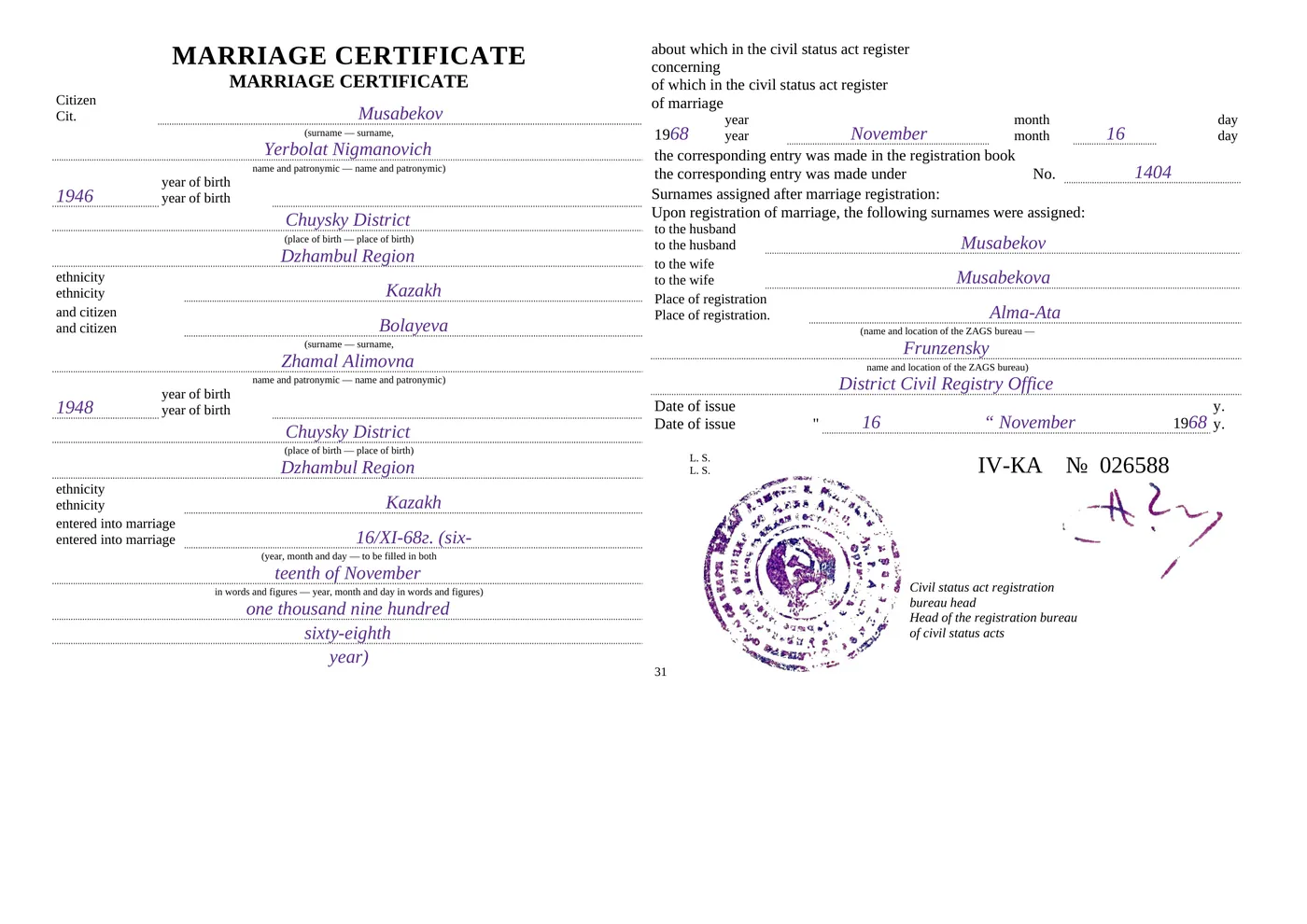
For an overview of a particular destination, see translating a Ukrainian income certificate for a German Finanzamt or income certificate translation for renting in EU countries. The recipient’s current checklist still takes priority over a general guide.
Why the numbers and layout need a human check
Income documents are short, but a small transcription error can change what they appear to say. A misplaced decimal point can alter the amount. A currency code can be mistaken for part of a figure. A date can be read in a different order, and a period such as “per month” can be lost when a table becomes plain text.
PDFs also work differently from editable Word documents. A text PDF may look like a table, but the file can store text at page coordinates rather than as actual rows and columns. Pulling the text into a simple text box can leave the labels and amounts out of alignment. A scan is an image, so its text must first be read from the page. Small print, stamps, and handwriting can be harder to recognize than clean printed text.
ChatsControl handles DOCX text paragraph by paragraph and cell by cell, preserving formatting when it writes the translation back into the document. For scans, its process reads the page, builds a formatted Word copy, and checks the copy against the page before translation. Those steps can help keep the structure legible, but they don’t remove the need to verify important figures against the original.
On 30 October 2026, I described how we handle a scanned document’s stamp: the stamp stays as a picture where it was printed, and a small note goes underneath in brackets with the words read from it, like “[Stamp: …]”. A translator needs the stamp’s words as text because a certified translation has to translate the stamp too. Retyping a round stamp by hand is where words can get lost.
The practical lesson is simple: don’t treat a seal or stamp as decoration. Check that it appears in the translation, and ask how the translator will represent text that is hard to read. If the stamp is blurry, a careful note about legibility is safer than an invented transcription.
Common mistakes that cause avoidable delays
Most trouble comes from a mismatch between the request and what the applicant submits. A technically accurate translation can still fail to answer the recipient’s question if the source document is the wrong type or the certification is not in the requested form.
Translating the wrong evidence
“Proof of income” is broad language. A salary certificate, tax return, bank statement, and employer reference do not establish the same facts. Get the recipient to confirm the document type before ordering a translation.
For help with salary evidence for employment abroad, see salary and income certificates for work abroad. A certificate showing current pay may not replace a document showing previous work history, and a work reference may not replace a statement of income.
Treating notarization as a universal requirement
Notarization can be useful when the recipient asks for it, but it is not a default rule for every embassy, visa, bank, or employer. The Schengen Visa Code sets out the types of information an applicant may need to support an application; the European Commission’s general application page also advises applicants to check the specific consulate or application centre for requirements. Neither source establishes that every income certificate must be notarized.
Ask the recipient a precise question: “Do you require notarization, or is a complete translation with the translator’s signed statement sufficient?” Save the answer with your application notes. If the instruction is unclear, ask the application centre or authority to clarify it rather than relying on a provider’s general claim.
Assuming an apostille will solve a translation problem
An apostille authenticates the origin of an eligible public document for a relevant procedure. It does not correct a translation, prove the salary figure, or guarantee that an institution accepts the document as evidence. An employer-issued certificate and an official public document may also follow different processes.
Ask whether the recipient requires an apostille for this exact document. If the answer is yes, confirm the correct order for apostille and translation. If the answer is no, ordering one can add an unnecessary step without making the translation more acceptable.
Sending a blurry photo or incomplete page
A cropped scan can hide a seal, signature, page number, or note that the recipient expects to see. Low contrast can make a decimal point, date, or currency hard to read. A translation provider may ask for a new image or mark an unclear passage, adding a round of communication before the final file is ready.
Check every page at full size before sending it. Keep the whole page in frame, use even light, and avoid glare over printed text. If one word is genuinely unreadable in the original, tell the translator rather than guessing what it says.
Failing to check the final figures
Review the source and translation side by side. Verify the salary amount, currency, pay period, dates, and any gross or net wording shown in the source. Check that a monthly amount has not become an annual amount, and that a total has not been mistaken for a per-period figure.
If a translated date uses a different format, check the actual date rather than comparing the character strings. For example, a translation may spell out the month where the source uses numerals. The date can be equivalent even when the format looks different.
Sending a translation without the required original
Some procedures ask for the original document and a full translation together. The UK Global Talent guidance is one route-specific example: it requires the original alongside a full independently verified translation for documents not in English or Welsh. Keep the original and translation paired, and follow the relevant route’s instructions rather than applying one country’s rule everywhere.
An incomplete translation can also leave out a stamp or a note that appears unimportant. The recipient may need to understand all text on the page, not only the main paragraph. A full translation should address headings, stamps, seals, handwritten additions, and other visible wording that carries meaning.
Waiting until the application is nearly due
The European Commission says that Schengen visa applications should be submitted no earlier than six months before travel and at least 15 days before the planned journey. The Commission lists a standard processing time of 15 days, with a possible extension to up to 45 days when more detailed examination or additional documents are needed. These timings were stated on the Commission’s page when checked; confirm the current advice and the consulate’s instructions before applying.
“You must submit your application to the consulate at least 15 days before your intended journey and no earlier than 6 months beforehand.” (European Commission, Applying for a Schengen visa)
The quote describes the Commission’s application guidance, not the time it takes to prepare your translation. Leave room for checking the document, asking questions, and correcting a scan if needed. An error or missing document can create a risk of missing a travel deadline; it does not automatically mean the application will be refused.
UK Global Talent guidance also describes a route-specific process for missing documents. Under version 19.0, published on 3 August 2026, the guidance says an applicant with a valid application may be given 14 days to provide missing required documents. That is not a general correction period for all immigration applications. Don’t plan to rely on a request for more information as a substitute for submitting a complete file.
Requirements differ by recipient and route
A translation requirement belongs to a particular application, not to the document in isolation. The same Ukrainian certificate may be submitted to a bank, an employer, or a visa authority, and each can set different rules for language, certification, and supporting evidence.
Schengen visa applications
The Visa Code’s short-stay framework asks applicants to provide documents related to the purpose of travel, financial means, accommodation, and intention to leave before the authorized stay ends. Evidence of sufficient means for the stay and return or transit can form part of an application. The Code does not make an employer income certificate compulsory for every applicant, and the concrete supporting documents can vary.
The European Commission advises applicants to check the relevant consulate or application centre because additional documents may be requested. Ask that office whether it accepts your employment or income certificate and what form of translation it needs. Don’t infer a universal notarization rule from the general visa framework.
UK immigration routes
UK rules can differ between routes. The Global Talent caseworker guidance specifies a full independently verified translation and the original for documents not in English or Welsh. It also sets out translator or company details that the translation must contain for that route.
The High Potential Individual route has separate caseworker guidance. It says a document will not be accepted as evidence if a requested translation is not supplied or cannot be verified. Read the guidance for the route you’re applying under. A requirement from Global Talent should not be copied into an HPI application, or vice versa, without checking.
Banks, landlords, and employers
A bank may focus on whether the certificate shows a clear income source, period, and amount. A landlord may ask for proof of income as part of an affordability check. An employer may need evidence of current employment or a work reference rather than salary information.
Ask the receiving organization whether it accepts a translation prepared abroad and whether it requires a particular certification. If the organization gives you a checklist, follow its exact terms. If it uses a broad label such as “income certificate,” ask for an example or a more specific document title.
FAQ
How much does it cost to translate an income certificate with notarization?
The cost depends on the language, document, and certification. ChatsControl’s certified-translation service lists translation from 300 to 750 UAH per 1,800 characters depending on language, notarial certification at 400 UAH per document, and apostille at 2,100 UAH per document. Those are listed service prices, so confirm the current quote before ordering.
Do I need a notarized translation of an employment certificate for a visa?
Not automatically. The receiving authority sets the document and translation requirements, and Schengen guidance does not say every applicant must submit an employer certificate or notarized translation. Ask the specific consulate or application centre what it accepts.
Does an income certificate need an apostille before translation?
An apostille is not a universal prerequisite for translating an income certificate. Ask the recipient whether it requires an apostille for your specific document and procedure, and confirm whether apostille or translation must come first.
Which translation of an income certificate will an embassy or foreign bank accept?
The embassy or bank decides what format it accepts. Ask whether it needs the original, a full translation, a translator’s signed statement, independent verification, or notarization. Keep the answer with your application paperwork.
Can I translate my own income certificate?
You can prepare an informal translation for personal use, but an institution may require the translation to be independent or certified. UK Global Talent guidance, for example, requires a full independently verified translation and the original for documents not in English or Welsh. Check the rules for your exact application route.
Can an online tool translate a scanned work certificate?
An online tool can read a clear printed scan and return a formatted translation, but handwriting and degraded scans can be unreliable. Compare the translated name, job title, dates, amounts, and stamp wording with the original, and use a human translator when certification or a close reading of the source is required.
Will a translation be accepted if the certificate is old?
There is no universal age limit for every certificate and recipient. Ask how recently the certificate must have been issued and whether that requirement concerns the issue date or the income period. A translation cannot make an outdated source document current.
What should I do if the embassy asks for an additional document?
Follow the request and check the exact document and translation format it names. Some procedures have route-specific processes for missing documents, but those processes do not apply to every application. For a Schengen visa, the European Commission says processing may extend from 15 days to up to 45 days when detailed examination or additional documents are needed, based on the guidance checked for this article. A request can affect timing, so reply with the requested evidence in the specified form.
Sources
- Regulation (EC) No 810/2009 establishing a Community Code on Visas (Visa Code), consolidated text
- European Commission: Applying for a Schengen visa
- UK Home Office: Global Talent caseworker guidance
- UK Home Office: High Potential Individual caseworker guidance
Need these documents translated?
Leave your number and we will message you, tell you which certification your institution needs, and name the price. Translation, translator review and notary certification.