A document can fill a single sheet of paper and still contain less text than one translation page, while a dense page can contain more. That mismatch is why a quote based on “pages” can feel confusing until you know which kind of page the provider means.
What a 1,800-character translation page means
A 1,800-character translation page is a unit of text volume used to calculate a translation fee. In this pricing model, one unit contains 1,800 characters, including spaces; it doesn’t mean one physical sheet, one page in Word, or one page in a PDF.
The term can also appear as “accounting page” or “standard translation page.” Those labels point to the same basic idea: the provider needs a consistent way to measure how much text is being translated. A physical document page is an unreliable measure because font size, margins, spacing, tables, and blank areas can all change how much text appears on a sheet.
The word “standard” can be misleading. A 1,800-character unit is a pricing convention used by some providers, not a universal rule that every translator must follow. A quote might instead use words, a fixed fee per document, or another agreed unit. The contract or written quote is what tells you how a particular job will be measured.
Spaces matter in a character-based calculation. Punctuation, letters, numbers, and spaces all contribute to the total when the agreed unit is 1,800 characters including spaces. A text with 1,800 visible letters and punctuation may therefore exceed one unit once its spaces are included.
The distinction is useful because it lets you compare the volume of two texts even when their layout differs. A short letter with wide margins could occupy several printed lines but contain relatively little text. A compact table might hold a large amount of text in a small area. Character count measures the text, not the page design.
One common explanation for the 1,800-character convention comes from the layout of a typewritten page: 60 characters per line multiplied by 30 lines gives 1,800 characters. That arithmetic is a traditional explanation for the unit, not proof that a present-day document must have those dimensions or that a law sets a universal translation tariff.
The DSTU 4309:2004 text concerns how translations are presented. It doesn’t establish 1,800 characters as a mandatory price unit for every translator. The standard’s scope also distinguishes translation presentation from technical printing requirements.
As the standard puts it:
“This standard does not apply to technical requirements for the printing of translations (for example, technical requirements for paper, page margins, printing method, etc.).”
That passage is about the physical presentation of a translation, not how a provider calculates a fee. Don’t treat a formatting standard as a pricing agreement.
A provider might also quote by a word unit, such as 250 words, or set a fixed price for a specific document. Those methods can be perfectly clear, but they don’t convert automatically into 1,800-character pages. Ask which unit the quote uses before comparing it with another quote.
How to calculate translation pages in Word or Excel
To calculate accounting pages, take the agreed character count including spaces and divide it by 1,800. The result is the text volume in 1,800-character units; the amount charged can still depend on the provider’s rounding and minimum-charge terms.
The calculation is:
Characters including spaces ÷ 1,800 = accounting pages
A few examples make the calculation concrete:
| Characters including spaces | Calculation | Accounting pages |
|---|---|---|
| 900 | 900 ÷ 1,800 | 0.5 |
| 1,800 | 1,800 ÷ 1,800 | 1 |
| 2,700 | 2,700 ÷ 1,800 | 1.5 |
| 3,600 | 3,600 ÷ 1,800 | 2 |
These examples show the arithmetic, not a promise that every provider bills half-pages or accepts a particular rounding method. One provider might charge proportionally for a partial unit; another might round it or apply a minimum fee. Get that rule in writing.
Counting characters in Word
Microsoft Word can show the number of characters in a document and in selected text. The exact interface can vary by platform or version, but Microsoft’s guidance explains that you can open the word-count details from the word-count indicator in the status bar. Selecting a passage lets you inspect just that part of the document.
Microsoft describes the count this way:
“Word also counts pages, paragraphs, lines, and characters.”
The quote is useful because it separates the character statistic from the page statistic. A Word page count reflects layout and pagination, while a character count reflects the text volume you need for a character-based quote.
For a whole document, open the word-count details and find the character total that includes spaces. If the file contains sections you don’t want counted, select only the relevant text before opening the count. Check that you haven’t accidentally selected a heading, a footnote, or only part of a table.
Word’s count is a practical estimate when the file contains editable text. A scanned PDF is different: the page may look like text, but the computer may see an image rather than editable characters. In that case, Word may have nothing useful to count until the page has been converted into text.
Counting characters in Excel
Excel’s LEN function counts the characters in a cell, including spaces. For text in cell A1, the formula is =LEN(A1), as described in Microsoft’s Excel guidance.
The function can be handy when each row contains a separate paragraph, item, or segment. If the document text is split across several cells, calculate each cell’s length and add the results to get a total. A simple setup might use =LEN(A1) in a second column, then a sum over that column.
Check the cell contents before relying on the total. LEN also counts spaces at the end of a cell, even though they may be hard to see. Extra spaces between words count too. Those characters belong to the cell’s content, so the formula includes them unless you clean the text first.
A spreadsheet count is only as useful as the text placed in it. Copying content from a PDF can bring in line breaks, repeated spaces, page headers, or other material that changes the total. Decide whether the quote should include headers, footers, repeated labels, and notes, then count the same scope the provider will use.
What if the document is a scan or PDF?
A text-based Word file is usually straightforward to count because its words and spaces are stored as editable text. A scan is an image of a page, so a character count requires text recognition before the content can be measured.
A PDF can contain selectable text, page images, or a mixture of both. Try selecting a line and copying it into a plain text field. If the words paste as readable text, the file likely contains a text layer. If only an image appears or nothing can be selected, the pages may need optical character recognition, usually shortened to OCR.
OCR reads text from images, but recognition can be less reliable for handwriting, low-quality scans, stamps, and unusual layouts. A wrong reading changes the character count and can also change the translation itself. For a scanned document where the count affects a quote, ask the provider how they handle recognition and whether the final count can change after the text is extracted.
In ChatsControl, a scanned document or photo goes through OCR before its recognized text can be translated and returned as a formatted Word file. That approach can help when a scan has no selectable text, but handwriting and very degraded scans remain hard to read reliably. The ChatsControl document translator is one way to process a scan; it doesn’t replace checking whether the recognized text matches the page.
When the count comes from the source and when it comes from the translation
The source text is the original document you’re giving the translator. The target text is the completed translation. A provider can calculate the fee from either, so don’t assume that “1,800 characters per page” automatically identifies which text is counted.
Counting the source before work starts gives you an estimate based on material you already have. Counting the translation after delivery gives the provider a completed target text to measure. Neither method is universal, and the language pair can affect how long the translation becomes. A short source sentence can require more or fewer characters in another language.
Some providers state that they count the source and use the translated text if the source format doesn’t allow an accurate count. Other providers describe checking the completed translation. Those different approaches are why your quote should name the counting basis, not merely the unit.
A source-based count can be useful when you need a quote before the translation begins. The provider can inspect the editable text and calculate an estimated volume. The final amount may still depend on the agreed terms if the translated text is the final billing basis or if the source file turns out to contain text that couldn’t be counted initially.
A target-based count can only be exact once the translation exists. Before that point, any estimate based on the source is a forecast, not a guaranteed final character count. Differences between languages mean there’s no single conversion factor that works for every document.
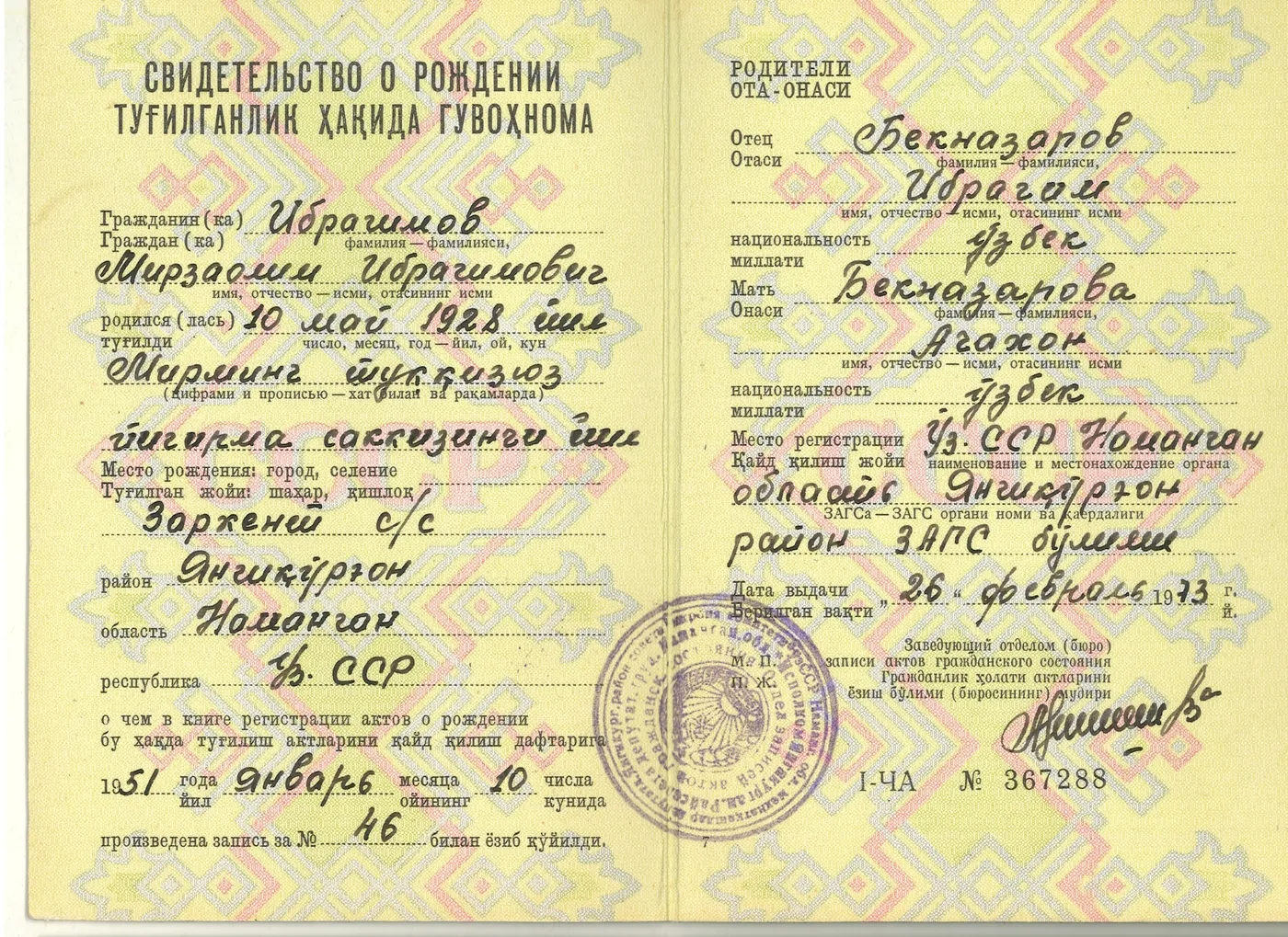
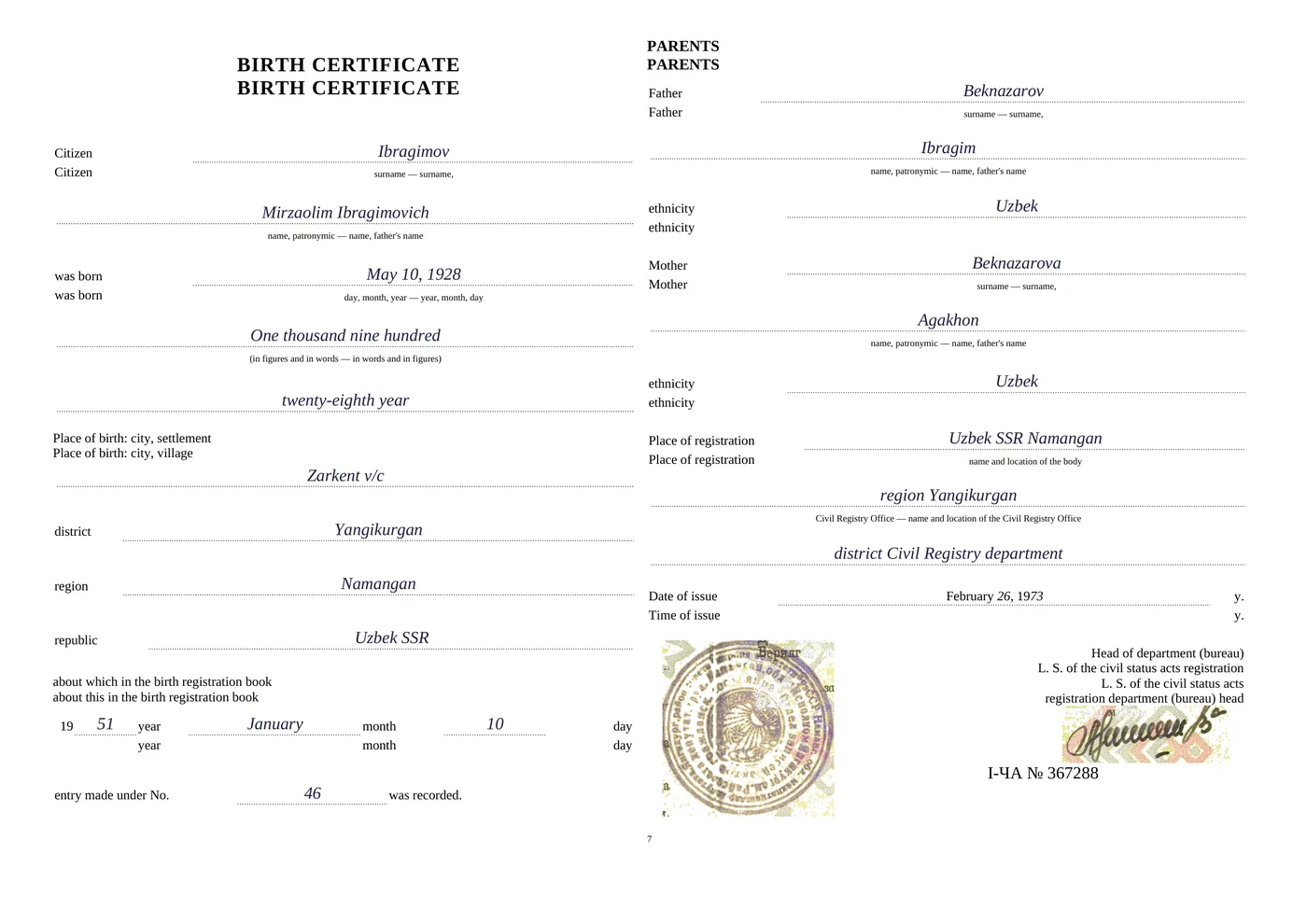
File format complicates the choice. A DOCX file may expose its text clearly, while a PDF might contain text positioned on a page in a way that’s harder to extract. A scan may need OCR first. If the source can’t be counted reliably, a provider may propose another method, but you should know what it is before approving the work.
Ask the provider to answer these questions in the quote:
- Is the bill based on the source text or the completed translation?
- Does the count include spaces and punctuation?
- Which text is included: headings, tables, footnotes, stamps, repeated headers, and notes?
- How does the provider handle a source file that can’t be counted accurately?
- How are partial 1,800-character units rounded?
- Is there a minimum fee or a fixed document price?
A useful written answer might say that the provider counts the source text, includes spaces, and bills partial units proportionally. Another provider might use the completed translation or a per-document fee. The important point is that the quote states the rule clearly enough for you to predict how the calculation will work.
Don’t compare two prices until you know their units. A rate per 1,800 characters in the source isn’t directly comparable to a rate per 250 words or a fixed rate for one certificate. The number beside the price may look similar, but the amount of text and what the fee covers can differ.
Why 1,800 characters isn’t one A4 sheet
An accounting page and an A4 sheet measure different things. The accounting page measures text volume; the A4 sheet measures physical paper. One doesn’t reliably equal the other because formatting controls how much text fits on a printed page.
Font size changes the number of lines that fit. Line spacing changes the space between those lines. Margins change the usable width and height. Tables, headings, paragraph breaks, lists, and blank areas all affect pagination. The same words can occupy more or fewer physical pages after a change in layout, without any change in their character count.
A 1,800-character block might fit on one A4 sheet in a compact layout or spill onto more than one sheet in a spacious layout. A form can have little text but take up a whole page because labels and fields are spread out. A dense legal paragraph can carry far more text on the same area.
The reverse is also true: a single sheet of paper can contain less than one accounting page. A certificate might have a large seal, a short printed statement, and empty space around them. The sheet still counts as one physical page, but the text volume is much smaller than 1,800 characters.
The DSTU 4309:2004 description supports the distinction between presenting a translation and specifying the technical properties of paper or printing. The standard’s subject is translation presentation; it isn’t a rule that turns every A4 sheet into one 1,800-character billing unit.
This difference matters most when someone quotes “per page” without defining the word. Ask whether the provider means a physical page of the file or an accounting page of text. If the answer is the latter, request the character count and the rule used to calculate it.
Page count can still matter for tasks that involve layout, printing, or document reconstruction. It just answers a different question. The number of physical pages tells you how long the document is in its current format; the character total tells you how much text is being priced under a character-based model.
When a character-based page is useful, and when it isn’t
A 1,800-character unit is useful when a provider needs to price variable-length text consistently. A short document and a long document can be measured using the same unit, rather than treating every physical sheet as if it contained the same amount of text.
Character-based pricing can be a good fit for ordinary paragraphs, articles, and other editable documents where the text can be counted. The method makes it possible to calculate a volume from the source or target, as long as both sides agree which one is used and what content is included.
A fixed fee can be clearer for a template-based document. A certificate or short form may have a predictable scope and repeated layout, so a provider may quote per document rather than charge a fraction of a character page. A tariff listing from WIS describes this distinction between non-standard texts priced by accounting pages and template documents that can have a fixed document fee: WIS pricing information. The page’s figures and terms can change, so check its current wording if you rely on it for a quote.
A per-word quote may suit a text whose scope is naturally discussed in words, but don’t assume that a word price and a character price are equivalent. A word count doesn’t include spaces as a separate unit, and word lengths differ. Ask how the provider defines a word and whether headings, tables, or repeated labels are included.
A character-based page may be less convenient when the source is hard to extract. A scan with unclear print, stamps, handwriting, or a complex layout can take extra work before anyone can confidently count the text. The provider may need to inspect the file or propose a document-level quote instead.
The count also doesn’t measure every factor that can affect the work. A longer text generally contains more material to translate, but complexity, formatting, deadlines, and the type of translation can affect a quote too. WIS lists factors beyond volume in its pricing information. Check the provider’s current terms rather than treating a character total as the whole price calculation.
A character count isn’t a quality measure. Two documents with the same number of characters can differ in subject matter, specialist terminology, layout, or the need for a particular form of certification. The unit describes volume; it doesn’t tell you what level of expertise or document handling the job requires.
The 1,800-character method is also not the right tool for deciding whether an official body will accept a translation. Acceptance depends on the receiving body’s requirements and on the form of the translation, not on whether the translator calculated the fee using characters, words, or a fixed document price. Keep pricing and acceptance requirements as separate questions.
Common counting mistakes and how to avoid them
The most common mistake is treating one printed page as one accounting page. That shortcut can understate or overstate the text volume because layout changes how many characters fit on paper. Use the character count if the quote is based on characters.
Another common mistake is forgetting spaces. In a 1,800-character model that includes spaces, a space between words counts just like other characters. Punctuation and numbers count too. A count that excludes spaces won’t match a quote based on characters including spaces.
Trailing spaces can create a smaller but avoidable mismatch. Excel’s LEN function counts them, including spaces after the last visible character. Clean the text or check the cell contents before using a formula, and compare like with like if the provider’s system counts the original file as it was received.
A third mistake is comparing a source count with a target count as if they were the same thing. The translation can be longer or shorter than the original. Get the billing basis before the job starts, and treat a pre-translation estimate as an estimate if the final count depends on the translated text.
Counting the wrong part of a document can also distort the result. A selection in Word might omit a table, footnote, or heading. A copied text extract might include repeated headers that don’t appear in the body. Agree what belongs in the count, especially when the document contains forms, tables, or recurring labels.
Scans introduce another source of uncertainty. OCR can confuse characters or miss text, particularly when print is degraded or handwritten. If the count will determine the fee, ask whether the provider will confirm the recognized text and the final volume before charging for a different total.
Rounding is a frequent source of surprise. A calculation that gives 1.2 pages doesn’t tell you whether the provider charges 1.2, rounds to 1.5, rounds up to 2, or applies a minimum fee. No single rounding rule follows from the 1,800-character definition. The quote needs to state what happens to a partial unit.
A simple pre-approval check helps prevent most disputes:
- Identify the unit: characters, words, physical pages, or a fixed fee per document.
- Confirm whether the count uses the original or the translation.
- Confirm that spaces are included if the unit is characters.
- Agree which sections of the file are in scope.
- Ask how the provider handles scans or files that can’t be counted accurately.
- Get the rounding and minimum-charge rules in writing.
- Keep the quote with the document version that was counted.
That checklist isn’t paperwork for its own sake. It gives you a shared definition of the job before the final bill arrives. If a quote says only “per page,” ask the provider to define the page before you accept the price.
FAQ
What does a 1,800-character translation page mean?
A 1,800-character translation page is a billing unit containing 1,800 characters, including spaces, when the provider uses that pricing model. It measures text volume, not a printed sheet or a page in a Word document.
How do I count translation pages in Word?
Open Word’s word-count details and check the character count for the full text or a selected passage. Divide the count that includes spaces by 1,800 if that is the unit in your quote, then apply the provider’s agreed rounding rule.
Is a translation page the same as an A4 sheet?
No. An A4 sheet is a physical page, while an accounting page measures text volume. Font size, line spacing, margins, tables, and blank areas change how much text fits on a physical sheet.
Are 1,800 characters counted in the source or the translation?
The provider’s terms decide whether the count uses the source text or the completed translation. Ask before work starts, because language differences and file format can make the two counts differ.
How do I calculate translation pages from a character count?
Divide the number of characters including spaces by 1,800. For example, 900 characters equal 0.5 accounting page, while 2,700 equal 1.5 pages; those are arithmetic results, not a promise about how a provider rounds the fee.
Need these documents translated?
Leave your number and we will message you, tell you which certification your institution needs, and name the price. Translation, translator review and notary certification.