A diploma issued decades ago can look like a straightforward paperwork problem until someone says, “Soviet diplomas can’t be apostilled.” That statement is too broad: Ukrainian rules distinguish education documents issued by the Ukrainian SSR from documents issued by other former Soviet republics.
The practical question isn’t only when the diploma was issued. The issuing jurisdiction, the form used at the time, and whether the signature and seal can be checked all matter. A diploma that looks old may still be eligible for examination, while a document that looks familiar may be refused if the issuing institution or its records can’t be verified.
This guide explains what the apostille does, why education documents from the Ukrainian SSR are treated differently, what to prepare, and what to ask the foreign institution before sending anything. The rules discussed below reflect the Ukrainian apostille rules in the version effective June 1, 2025, and official service information checked on June 10, 2026. Fees, processing periods, and practical arrangements should be confirmed again before filing.
What an apostille does, and what it doesn’t
An apostille is a formal certificate that lets a document be used in another country without the usual chain of legalization, where an apostille is accepted. For an education document, the apostille concerns the authenticity of the signature and seal, not the quality or recognition of the education itself.
The distinction matters because people often use “apostille,” “legalization,” and “recognition” as if they were the same step. They aren’t. An apostille checks whether an authorized person signed the document and whether the relevant seal or stamp is authentic. A university, employer, or credential-evaluation body abroad may separately assess the qualification, study program, or institution.
The ENIC Ukraine page describes the apostille this way:
“An apostille certifies the authenticity of the signature of the person who signed the document, as well as the authenticity of the seal or stamp with which it is secured.”
English translation of the Ukrainian text on the ENIC Ukraine apostille page.
In other words, a successfully apostilled diploma isn’t automatically accepted as equivalent to a foreign degree. The apostille verifies a formal feature of the document; it doesn’t certify the truth of every statement printed on it or decide what the degree is worth in another country. For the distinction between the apostille and recognition, see how Ukrainian diplomas are recognized in Germany, France, the UK, and the US.
The authority also depends on the document type. Ukraine’s Ministry of Education and Science, or MES, handles apostilles for official education documents. The Ministry of Justice covers documents from justice authorities, courts, and notaries, while the Ministry of Foreign Affairs handles other categories according to the division of powers. The MES lists its apostille remit on its official apostille page.
That division means the right starting point for a diploma isn’t necessarily the office that apostilles a birth certificate or a notarized statement. Education documents go through the education process, prepared by the state enterprise Information and Image Centre, which also performs the functions of Ukraine’s National Academic Mobility Information Centre, ENIC Ukraine. The MES page on receiving and returning documents describes the process.
An apostille is also different from an apostille placed on a translation or on a notarial act. If the recipient asks for a translated and certified document, find out which signature or seal must be authenticated. The answer can change the order of steps. This guide to apostille on a translation versus apostille on the original explains why the two routes shouldn’t be treated as interchangeable.
Why a Ukrainian SSR diploma isn’t automatically excluded
The phrase “Soviet diploma” can describe documents issued by different republics, institutions, and authorities. A diploma issued in the Ukrainian SSR isn’t the same case as a diploma issued by an institution in another former Soviet republic. The rules must be applied to the issuing jurisdiction and document type, not to the broad label “Soviet.”
Ukraine’s general rule, introduced on March 23, 2023, restricts the acceptance for apostille of originals and notarized copies issued by institutions in former Soviet republics. The Ministry of Justice explained that general rule in an official notice published August 15, 2023. But the rule isn’t a blanket ban on every document from the Soviet period: the current apostille rules include a distinction for education documents and academic titles issued by the Ukrainian SSR.
The applicable reference is the joint order approving Ukraine’s apostille rules, No. 125/209/293/139/999/5. The dossier records the relevant version as effective June 1, 2025, and checked June 10, 2026. Read the current rules on the official legal database rather than relying on a short summary that might omit the education-document distinction.
The exception doesn’t guarantee that every Ukrainian SSR diploma will receive an apostille. MES checks whether the document belongs to the education-document category and whether its form corresponds to the Ukrainian sample in use on its date of issue. The ministry also needs to be able to verify the signature and seal and confirm that the document was actually issued.
The ENIC Ukraine page makes the format requirement explicit:
“Please note: documents must comply with the state sample adopted in Ukraine at the time the document was issued.”
English translation of the Ukrainian text on the ENIC Ukraine apostille page.
That sentence explains why age alone isn’t a complete answer. The check isn’t whether a diploma resembles a modern Ukrainian certificate. The relevant question is whether the document matches the applicable sample for its own issue date and whether its details can be authenticated.
A diploma issued by an institution in another former Soviet republic raises a different issue. The Ukrainian SSR exception doesn’t automatically extend to every republic that once belonged to the USSR. If the issuing authority was outside the Ukrainian SSR, ask the MES or ENIC Ukraine whether that specific document can be accepted, and ask the destination institution what alternative it will accept if it can’t.
The name of the issuer matters, too. A diploma might identify an institution by its former name, while a later record or archive uses another name. That difference doesn’t by itself prove a problem, but it can make verification harder. Keep any available documents that explain a change in name or institutional status, and don’t assume an apostille authority will infer the connection without evidence.
An old diploma may be eligible for an apostille and still need an institutional inquiry. ENIC Ukraine says that a specialist decides after examining the documents whether extra information from the issuing institution is needed. Such an inquiry can extend processing time; the service’s FAQ explains what the request involves. For a broader comparison of apostille and legalization routes, see legalization versus apostille.
What to check before submitting the diploma
Start by asking the institution that will receive the diploma what it needs. Some institutions want an apostille on the main diploma, some also want one on the supplement, and some may require a translation or a separate recognition process. ENIC Ukraine says the required documents depend on the country, receiving institution, and purpose.
Ask the receiving institution specific questions, not just “Do you need an apostille?” Confirm whether it wants the original or an apostilled document, whether the supplement needs its own apostille, which language the translation must use, and whether the translation must be certified or notarized. A general answer about “legalized education documents” may not settle each of those points.
The diploma and its supplement count as separate documents. The supplement can be submitted separately, but ENIC Ukraine says it can’t receive an apostille if the main document doesn’t already have one. Whether the recipient needs an apostilled supplement is a separate question. Each document is handled and charged separately under the service information checked on June 10, 2026, as shown on the ENIC Ukraine fees and terms page.
For an in-person application, ENIC Ukraine lists the following items:
- The original diploma or other education document. A notarized copy doesn’t replace the original for an education apostille.
- A good-quality, unnotarized photocopy of each document. The listed copy is a regular photocopy, not a notarized copy.
- The MES application and the personal-data consent form. The forms must be signed by the applicant in Ukrainian, without corrections.
- The administrative-fee receipt. Each document that needs its own apostille has its own fee.
- The preliminary order description. The list includes this item as part of the submission.
- Identification for the person filing. The owner can apply, or another adult applicant can file with identification.
- Proof of a change in personal details, if relevant. If the diploma owner’s surname, given name, or patronymic has changed, include a copy of the document that records the change.
The ENIC Ukraine document checklist gives the official list. Remote filing has a different process and document set, so don’t assume that the in-person checklist applies unchanged if you aren’t visiting in person.
A notarized copy can be useful for other purposes, but it isn’t a substitute for the original in the education-apostille procedure. ENIC Ukraine states that it apostilles original education documents and that a duplicate is treated as an original for this purpose. A duplicate and a photocopy aren’t interchangeable: check with the authority before ordering either one if the original has been lost.
The distinction is especially useful when a diploma is fragile. Don’t laminate, alter, or write on it to make it look clearer. Keep the original and ask the processing authority how to proceed if the paper is damaged, the seal is faded, or some text is hard to read. A copy may help someone review the details, but it doesn’t remove the requirement to present an acceptable original or duplicate.
For personal changes, match the name on the diploma to the current identity document using supporting evidence. A marriage record or other proof of a name change may explain why the names differ, but the apostille confirms the diploma’s signature and seal; it doesn’t update the name printed on the diploma. Include the relevant change document in the application materials where required.
Document translation comes later in many routes, but ask the recipient about sequencing before ordering it. The receiving institution may specify whether it wants a translation made from the apostilled original, whether the apostille itself must also be translated, or whether a particular certification is required. Certified diploma translation for Germany is a separate part of the process, not something the apostille itself provides.
How verification, fees, and processing time work
The MES doesn’t decide from the document’s age alone. The verification process checks the document’s form and the available information about its issue, signature, and seal. A request to the issuing institution may be needed if the records available to the processor aren’t enough to confirm the details.
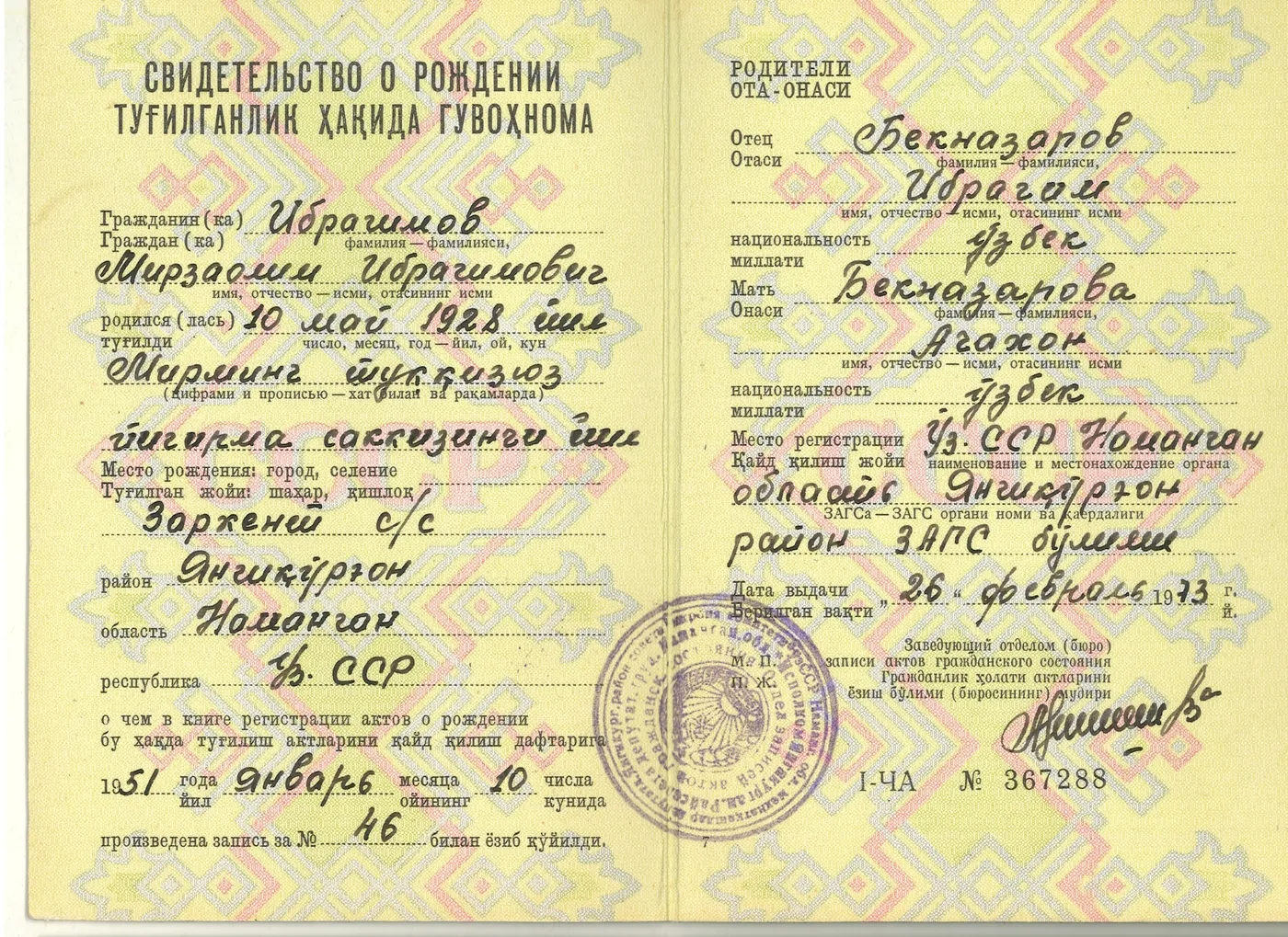
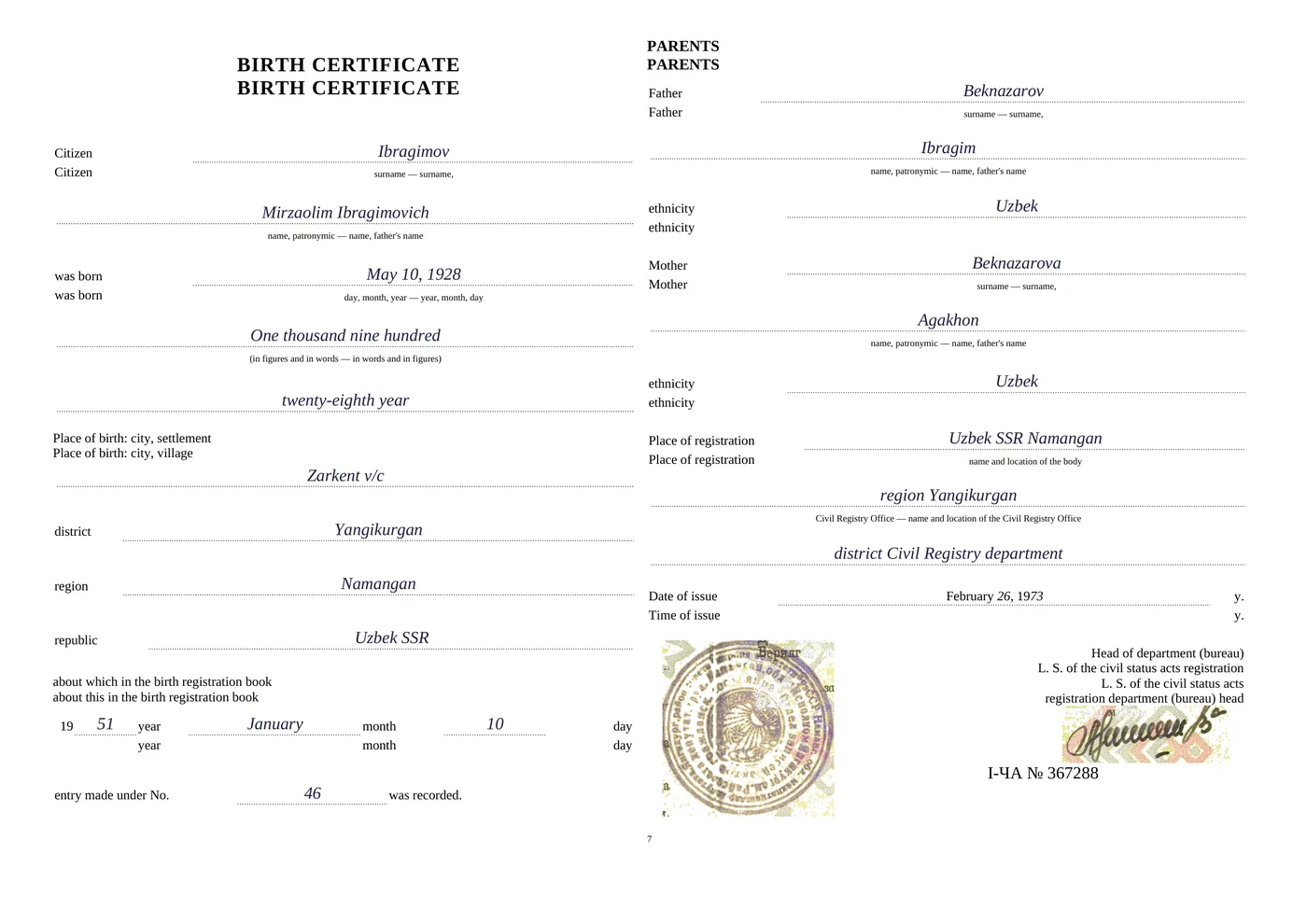
A request is a request for additional information from the institution that issued the document. ENIC Ukraine says a specialist decides whether one is needed after examining the submission. If the issuing institution or its archive needs to respond, the applicant has to allow extra time; the apostille cannot be issued merely because the document looks genuine.
That is why an archive confirmation can matter for a diploma that predates current records. The official information supports the possibility of an inquiry to the issuing institution, but it doesn’t say that every old diploma requires a separate archive certificate. Don’t spend time or money ordering an archive document before finding out what the processor needs for this specific diploma.
Fees and timelines deserve special care because the service page contains information that needs confirmation. As checked on June 10, 2026, ENIC Ukraine listed an administrative fee of 51 UAH per apostille for an individual. The same page lists service-processing options, including 300 UAH for regular processing with a stated 30 working-day period, 600 UAH for a 10-day option without an inquiry, and 870 UAH for a 20-day option with an inquiry. The page also says in explanatory text that regular processing can take 40 working days, so its timing information isn’t consistent. Check the current official fees and terms directly before paying.
The distinction between administrative and service charges matters when you estimate the total. The administrative amount is stated per apostille, while the service page lists processing charges separately. If both diploma and supplement need apostilles, count two separate document procedures rather than assuming one payment covers both.
Use the listed periods as information to verify, not as a promise that every application will be finished on a particular day. A request to an issuing institution can add time, and the service page itself has conflicting statements about regular processing. Someone with an admission deadline, job start date, or visa appointment should ask for the estimated processing period for the exact document before making plans.
In-person submission also has practical requirements. The MES page says applicants need to complete an electronic application and reserve a time before visiting. The page lists reception from Monday to Thursday, 09:30 to 13:00, at 25 Viacheslava Chornovola Street in Kyiv. Since appointments, hours, and arrangements can change, confirm them on the MES document reception page before travelling.
A translation request may introduce a separate document-handling problem: the diploma can contain tables, grades, seals, and notes that need to remain legible in the translated file. A document-translation tool such as ChatsControl can take a PDF or DOCX and return a translated Word document with the layout retained, which can help when preparing a readable translation draft. It doesn’t issue an apostille, verify a diploma, or make an uncertified translation acceptable to a receiving authority; check the destination institution’s translation rules before using any draft.
Reasons for refusal and mistakes to avoid
ENIC Ukraine lists concrete reasons why it may refuse an apostille. The list includes text that can’t be read because of damage, unconfirmed corrections, a lack of signature or seal samples for verification, a document form that doesn’t match the sample for its issue date, an issuance that can’t be confirmed, discrepancies with the Unified State Electronic Database on Education, and signs of forgery. The official ENIC Ukraine explanation describes these grounds.
The format check can catch a document that looks plausible but doesn’t match the sample the authority expects for that period. The verification check can also fail when the signature or seal can’t be compared with an available sample. Those are separate problems: fixing a poor photocopy won’t necessarily resolve an unverified signature, and finding an archive record won’t necessarily correct a format mismatch.
Corrections need particular attention. If a handwritten or typed correction appears on the diploma and hasn’t been properly certified, the authority may refuse the document. Don’t add a note, repair a printed detail, or cover a mark yourself. Ask the issuing institution or processor what evidence is needed before submitting a document with alterations.
Damage can make the printed information or seal unreadable. A clear photocopy may help with preliminary review, but the authority still assesses the original or an acceptable duplicate. If a key name, date, signature, or seal is blurred, ask what can establish the document’s issuance before filing.
A discrepancy between the diploma and an electronic record can also stop verification. The list of refusal grounds includes a mismatch with the education database or an unconfirmed fact of issuance. Don’t assume that an apostille office can correct the education record itself; contact the institution or relevant authority that maintains the record about the discrepancy.
A separate and common mistake is treating “issued in the USSR” as enough information to determine eligibility. The applicable rule distinguishes an education document issued by the Ukrainian SSR from a document issued by another former Soviet republic. Check the issuing authority and jurisdiction printed on the diploma, then ask the MES or ENIC Ukraine about that specific document.
Another mistake is submitting a notarized photocopy because the original is difficult to send or handle. ENIC Ukraine says the education apostille is placed only on the original, and copies aren’t accepted for that purpose. A duplicate can be treated as an original for the apostille process, but ask the relevant authority how to obtain or use one before relying on a photocopy.
Finally, don’t assume that an apostille on the diploma automatically covers the supplement. The supplement is a separate document, and an apostille can’t be placed on it unless the main diploma already has one. Confirm with the receiving institution whether it needs the supplement apostilled at all; a second apostille means a second document procedure and separate payment according to the terms checked on June 10, 2026.
When an apostille isn’t the step you need
An apostille isn’t always required. The destination country’s rules, the receiving institution, and the purpose of the application determine whether it is needed. ENIC Ukraine specifically advises applicants to check the requirements of the country and institution receiving the education document.
Apostille requirements can differ between an employer, a university, a licensing authority, and an organization assessing foreign qualifications. A university may ask for a translated diploma and supplement as part of an admissions process; a credential evaluator may have its own document-submission rules. Neither requirement is answered simply by knowing that an apostille exists.
If the destination doesn’t accept apostilles for the relevant route or asks for a different legalization method, follow its instructions rather than submitting a document to the wrong Ukrainian authority. The legalization versus apostille guide explains why those procedures depend on the receiving country and document route.
Recognition is another distinct process. An apostille doesn’t tell a foreign institution whether a Soviet-era qualification is equivalent to a local degree, what level it represents, or whether it qualifies its holder for a regulated profession. Ask the institution that will assess the qualification what recognition or evaluation procedure it uses.
Translation is separate as well. The apostille authenticates a signature and seal; a translator renders the document into another language. The recipient may ask for the apostille to be translated along with the diploma, or may require a particular kind of certified translation. Confirm the requested format before paying for translation, so you don’t receive a file that misses the institution’s requirements.
A useful checklist before you send an original:
- Identify the issuing authority and whether the document was issued in the Ukrainian SSR or another former Soviet republic.
- Ask the receiving institution whether it needs an apostille, and whether it needs one on the diploma supplement.
- Confirm which translation language and certification the recipient requires.
- Ask ENIC Ukraine whether the document’s form and condition can be checked before you submit it.
- Verify the current application process, fee, expected processing period, and appointment arrangements.
- Keep the original safe and avoid alterations while the application is being prepared.
FAQ
Can I apostille a diploma issued in the Ukrainian SSR?
The rules in force as of June 1, 2025, distinguish education documents issued by the Ukrainian SSR from the general restriction on documents issued by former Soviet republics. The MES still needs to check the document’s issue-date format and whether its signature, seal, and issuance can be verified. See the current Ukrainian apostille rules.
Why might Ukraine refuse an apostille for an old diploma?
The authority may refuse if the document’s text is unreadable, it contains unconfirmed corrections, its signature or seal can’t be verified, its form doesn’t match the sample used at the time of issue, or its issuance can’t be confirmed. ENIC Ukraine also lists discrepancies with the education database and signs of forgery among refusal grounds.
What documents do I need to apostille a Soviet-era diploma?
The in-person list includes the original, an unnotarized good-quality photocopy, the MES application, personal-data consent, a fee receipt, and a preliminary order description. The applicant needs identification, and a document confirming a change in personal details may be needed if the diploma owner’s name has changed. Check the official filing checklist.
How much does it cost and how long does a diploma apostille take in Ukraine?
As checked on June 10, 2026, the ENIC Ukraine page listed an administrative fee of 51 UAH per apostille and separate service-processing options. The same page gives inconsistent information about regular processing time, and an inquiry to the issuing institution can extend the process, so confirm the current fee and timing before you pay.
Does a Soviet-era diploma supplement need a separate apostille?
The diploma and supplement count as separate documents, so each requires its own apostille if the receiving institution asks for both to be apostilled. ENIC Ukraine says the supplement can’t receive an apostille until the main diploma has one. Ask the receiving institution whether it requires an apostilled supplement.
Does an apostille prove that my Soviet diploma is equivalent to a foreign degree?
No. An apostille verifies the signature and seal; it doesn’t assess the level, content, or equivalence of the education. The receiving university, employer, or credential-evaluation body may have a separate recognition process.
Can I use a notarized copy instead of the original?
A notarized copy doesn’t replace the original for an education apostille. ENIC Ukraine says education apostilles are placed on originals, while a duplicate is treated as an original for this purpose. Ask the relevant authority about a duplicate if the original is unavailable.
Need these documents translated?
Leave your number and we will message you, tell you which certification your institution needs, and name the price. Translation, translator review and notary certification.