A course title that looks obvious in Ukrainian can become unclear in English when it’s read outside the context of your university’s curriculum. A Diploma Supplement translation needs to communicate what you studied without turning a local course name into a different subject or implying that your qualification has already been recognized.
The key is to treat each title as part of an academic record, not as an isolated phrase. Check the university’s terminology, use the syllabus and learning outcomes to resolve ambiguity, and confirm the receiving institution’s document requirements before you translate the whole supplement.
What course titles in a Diploma Supplement are meant to show
A Diploma Supplement describes a qualification, its context and its study content so that readers in other countries can understand the education behind it. The document supports transparency, but it doesn’t replace the original diploma or decide whether another country recognizes the qualification. The European Commission’s Diploma Supplement overview explains its purpose and structure.
The European model has eight sections. One covers the programme and results, including information about study content and learning outcomes. That’s where course names, grades and credits help a reader understand what the graduate studied. The EHEA description of the Diploma Supplement sets out the document’s purpose and its limits.
A Ukrainian supplement includes educational components, grades, ECTS credits and information about the national higher education system, according to the current Europass Ukraine information page. The page also says that the supplement is issued automatically with the diploma in Ukraine. If you need a copy, Europass Ukraine directs you to the institution where you studied.
“The Diploma Supplement is free from any value judgements, equivalence statements or suggestions about recognition.”
— European Higher Education Area
That principle matters when translating course titles. A translator can describe the subject accurately, but shouldn’t label it as equivalent to a course in another country or claim that the qualification meets a particular professional standard. Those conclusions belong to the organization assessing the qualification.
The Ukrainian form also gives a useful reference for the document’s bilingual layout. The official Ukrainian Diploma Supplement form was approved by Ministry of Education and Science Order No. 102 dated 25 January 2021. Its fields are presented in Ukrainian and English. That form can help you recognize the document’s structure, but it doesn’t provide a universal English translation for every course offered by every university.
A Diploma Supplement translation is therefore not just a list of substitutions. The translated title should make sense to a reader who doesn’t know the local course catalogue, while staying faithful to the record. The course title, grade, credits and surrounding information work together; changing one part without checking the others can create a misleading impression.
If you’re preparing documents for a recognition process, keep translation and recognition separate. The relevant authority depends on the country: ENIC-NARIC says the assessing body may be an educational institution, a specialist ministry or a national information centre. The same page advises applicants to check the required documents, expected processing time, possible fees and the kind of assessment result.
How to translate a course title without changing its meaning
A strong course-title translation starts with the academic meaning, not a word-for-word match. Short titles often leave out the subject area, level or practical focus that would make the phrase clear to a reader abroad. The syllabus and learning outcomes can supply that missing context.
The ECTS Users’ Guide defines learning outcomes as statements about what a student knows, understands and can do after completing a learning process. That makes them a useful reference when a course title is broad or ambiguous. The ECTS Users’ Guide 2015 gives the definition and guidance on course information.
For example, a title that translates literally as “Information Systems” might refer to a specific field within a degree programme. A translator shouldn’t add a specialization just because it seems plausible. Check the course description, the programme context and any approved English wording before deciding how to express it.
Use this sequence for each course:
- Copy the original title accurately. Check spelling, abbreviations and punctuation against the supplement or academic record.
- Look for an approved English title. Ask the university for an official list, or check its course catalogue and syllabus.
- Read the course description. Use the subject, objectives and topics to clarify what the title means.
- Check the learning outcomes. Identify what the student was expected to know or do after the course.
- Choose clear English wording. Preserve the subject and scope without adding an unverified specialization.
- Compare related records. Keep the title consistent across the supplement, transcript and other documents.
- Check the recipient’s instructions. Confirm whether it wants the original title, the translation, or both.
“In some cases, translations of the documents are needed.”
— ENIC-NARIC Networks
The key point is that the translation requirement depends on the procedure. The ENIC-NARIC page doesn’t set one format for every country or institution, so ask the organization assessing your documents what it expects before you choose a translation format.
Literal translation is useful as a first check, not as the final rule. A close rendering helps you spot missing information, but academic terms don’t always map neatly between languages. The final English title should reflect what the course actually covered, not merely preserve the source-language word order.
The ECTS Users’ Guide 2015 makes a specific recommendation for components completed abroad: the accompanying Transcript of Records should give the original titles and their translations in the language or languages of the Diploma Supplement. That guidance concerns study components completed abroad; it isn’t a universal instruction for every translation or every recipient. Check the guide and the receiving institution’s own requirements.
Keep the original title beside the translation when the recipient requests it or when doing so helps identify the course. Don’t add a second language column just because it seems safer. A translation may need to match a prescribed format, and extra text can make it harder to compare with the source document.
What to check before choosing an English course title
A university may already have an approved English version of a course title. Start there rather than building a translation from scratch. A catalogue, syllabus or official list can help you preserve the institution’s terminology and keep related courses consistent.
The term “approved” needs care: a university’s terminology list is local, not a worldwide dictionary. KPI, for example, created its own terminology system for English and Ukrainian names of specialities, qualifications and academic units. The KPI terminology page describes that local system and refers to Rector’s Order No. 1-328 dated 22 December 2014.
The order also addressed English versions of typical course titles. Its wording says that those versions should follow Appendix No. 5. The KPI order shows why a university’s own approved terminology can be valuable, but the list was defined for the 2014/2015 academic year. Treat it as a local historical reference, not as a current national glossary.
“English versions of the titles of typical disciplines should be completed in accordance with Appendix No. 5.”
— KPI Rector’s Order No. 1-328
For your own document, ask the university whether it has an approved English course list for your programme and year of study. If it doesn’t, ask for the relevant syllabus or catalogue entry. A title found on a university website can help, but check that it refers to the same course, programme and version of the curriculum as the one on your academic record.
| Reference | What it can clarify | What to check |
|---|---|---|
| University course catalogue | The institution’s preferred English wording | Course code, programme and academic year |
| Syllabus | Course scope, topics and objectives | Whether the syllabus matches the title on your record |
| Learning outcomes | What students were expected to know or do | Whether the outcomes resolve the title’s ambiguity |
| Transcript or academic record | The title, grade and credits as recorded | Whether names and values match the supplement |
| Recipient’s instructions | Required language and document format | Whether originals, translations or both are required |
A course title may have changed over time, or a programme may use a different English name from another department. A translator who copies a current website title without checking the academic record could introduce a mismatch. Compare the full record, not just a search result.
The same caution applies to transliteration. Transliteration converts letters into another alphabet; it doesn’t explain what a course studied. A transliterated title can preserve the original name for reference, but it usually won’t tell an English-speaking assessor whether the course covered accounting, programming or research methods.
When the university confirms an official English title, use it consistently. When no official title exists, use the source title, syllabus and learning outcomes to arrive at a clear translation, and preserve the original alongside it when the receiving institution’s format allows that. Don’t present a local choice as a universal equivalent.
Grades, ECTS credits and the rest of the record
Course titles don’t stand alone. A Diploma Supplement also gives information such as grades and ECTS credits, and the surrounding fields help a reader understand the record. The current Europass Ukraine page describes these elements as part of the supplement.
Keep each title attached to its grade and credits during translation. If a table is flattened into a list, a reader may no longer be able to tell which grade belongs to which course. Check rows, columns and headings against the source document rather than assuming that a translated file has retained the original relationships.
The European Commission’s Diploma Supplement page describes the document as a transparent account of a qualification’s nature, level, context, content and status. That purpose makes layout more than a cosmetic detail. A well-translated course title can still be hard to assess if it appears beside the wrong grade or credit value.
Use a final comparison table to review the translated record:
| Check | What to compare |
|---|---|
| Course names | Original title, approved English title or translation |
| Grades | Each value against the corresponding source row |
| Credits | Each credit value against the source document |
| Order | Course sequence and section headings |
| Names and dates | Spelling, dates and identifiers across the document |
| Layout | Whether tables and labels still connect the right information |
“The Diploma Supplement provides structured information that includes the institution’s name and status, learning outcomes, educational components, grades and ECTS credits earned.”
— Europass Ukraine
The quote describes why a translation needs to preserve the relationship between fields. Course names, grades and credits form part of one structured record; checking only the English wording leaves other possible mismatches unnoticed.
A bilingual review is helpful when you need to check that relationship across a long document. In ChatsControl, you can upload a DOCX or PDF and review the source alongside the translation, with translated text highlighted and the original available on hover. That side-by-side view helps you compare course names, grades and credits in context. The tool is for document translation, not academic recognition; if the recipient requires a legally certified translation, a human translator and certification step are separate requirements.
Three ways to prepare the translation
Your options depend on the document’s format, the recipient’s requirements and how much terminology work the course list needs. A self-prepared translation, a freelance translator and an online document translation tool solve different parts of the task.
Translate it yourself
A self-made translation can be a starting point if you’re comfortable with academic English and the receiving institution accepts it. Use the university’s official terminology where it exists, and compare your choices with the course descriptions and learning outcomes.
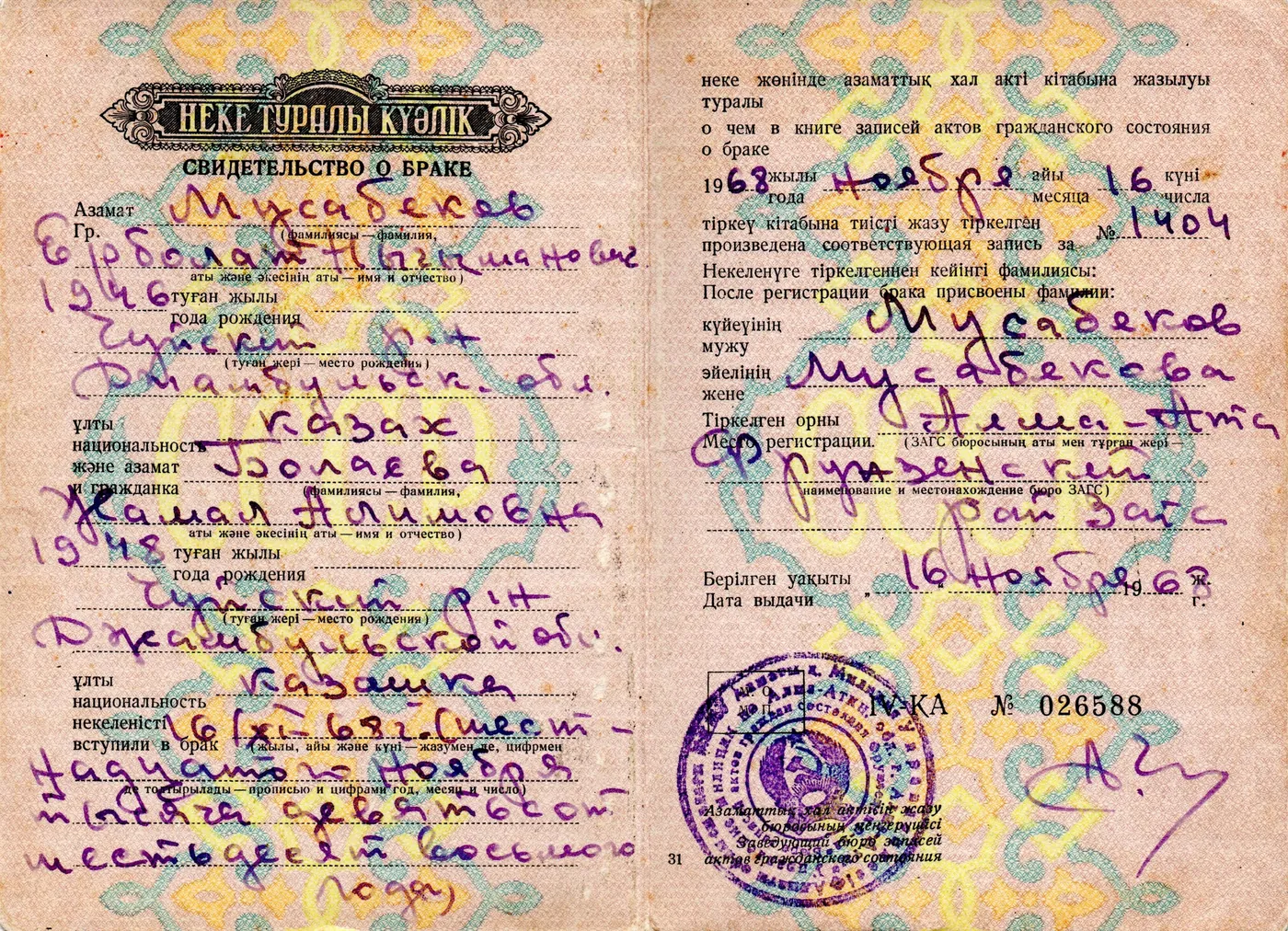
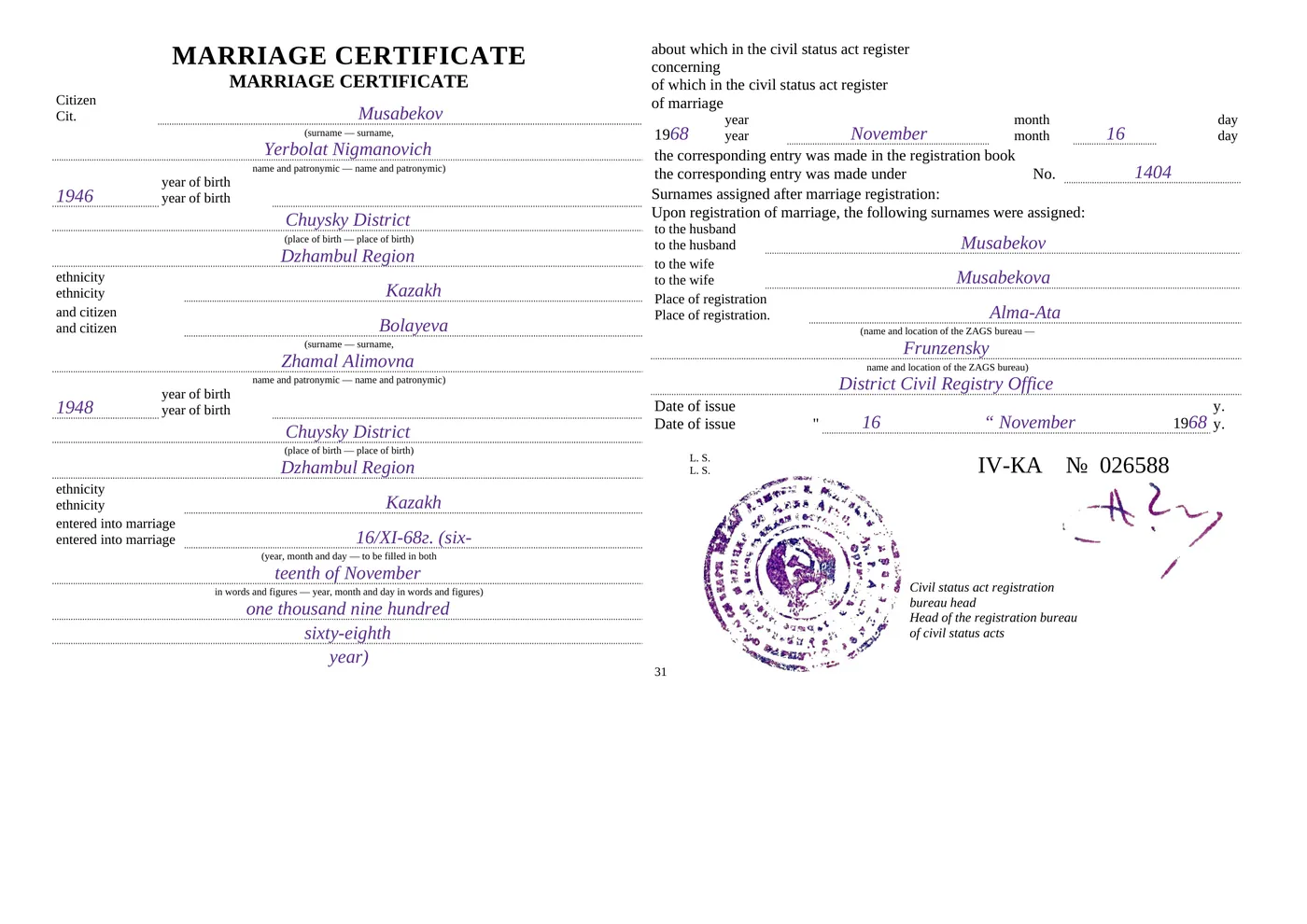
The risk is not only a grammatical mistake. A literal title may sound fluent but misrepresent the academic scope. A title copied from a different programme may look official while referring to another course. Check every name against the same institution, programme and academic record.
The receiving authority decides whether it will accept your translation and whether it needs certification. ENIC-NARIC says that translations are needed in some cases, and it emphasizes that requirements differ by country and institution. Ask the recipient about its rules before submitting a self-made version.
Work with a freelance translator
A translator can help resolve ambiguous titles and keep academic terminology consistent. Share the supplement, any university course list, relevant syllabi and the recipient’s instructions. Those references give the translator a basis for choosing terms rather than guessing from short labels.
A freelancer may ask questions about unclear entries or request more context. That’s useful when a title could describe different fields or when a course name changed across programme versions. Agree on how to handle titles that lack an official English equivalent, and whether the original title should remain visible.
Certification is a separate question. A translation completed by a freelancer isn’t automatically certified, and a receiving institution may set its own requirements. Confirm the requested format before the work begins; guidance on a related document can also help: what diploma a translator needs for a notary to certify a translation.
Use an online document translation tool
An online document tool can be useful when the main challenge is translating a formatted supplement without losing the links between course rows, grades and credits. ChatsControl accepts DOCX and PDF files and returns a translated Word document with the document’s formatting preserved. For a scan or photo, the service reads the image first and rebuilds a formatted Word copy before translation.
A scan is an image rather than editable text, so its contents need to be read before they can be translated. Printed text is more reliable to read than handwriting or a badly degraded scan; ChatsControl flags scan quality and identifies text the check still finds missing. The tool doesn’t replace a human academic review, and it isn’t the right choice for illegible handwriting or very poor scans.
The product’s pay-as-you-go price is $1.50 per 1,000 characters. Scans use the same rate for recognized characters, with a minimum charge of 1,000 characters per page. The free tier includes 6,000 characters at sign-up; each month, any remaining allowance is topped up to 1,000 characters rather than added to a larger remainder. Those figures come from the current ChatsControl pricing information in the product reference.
A document tool can help preserve the file’s structure, but it can’t decide whether the recipient accepts an uncertified translation or whether one course is academically equivalent to another. Review the translated titles against the original and university references, then ask the recipient whether it requires a certified version.
Compare the options against your actual requirement
The right choice depends on what could go wrong in your case. If the recipient accepts a self-prepared translation and the course names are clear, you may not need a paid service. If titles are ambiguous, a translator can work from the syllabus. If the table layout matters, a document tool can help keep the record readable.
| Option | Useful when | What you need to check | Main limitation |
|---|---|---|---|
| Self-translation | You understand the academic terms and the recipient accepts your format | University wording, syllabus, learning outcomes and recipient rules | You’re responsible for terminology choices and consistency |
| Freelance translator | Titles need interpretation or a human review | Academic background, references supplied and certification requirements | A translation alone may not meet certification requirements |
| Online document tool | You need a formatted file translated or a scan converted into editable text | Terminology, grades, credits, scan quality and recipient rules | Automated output needs review; poor scans and handwriting remain difficult |
| University-issued English record | The institution can provide an official English version | Whether the record covers the required programme and academic year | The university may not offer a version in the recipient’s required format |
Before you pay for translation, confirm what the receiving institution actually wants. ENIC-NARIC recommends asking the relevant body about the documents it requires, expected time, possible fees and the nature of the assessment. Its academic recognition guidance is a starting point, but the specific institution remains the one to ask about its own submission rules.
For more on the document set, see which diploma documents to prepare for use abroad. If you’re deciding whether a Diploma Supplement needs extra work compared with the diploma itself, read why a Diploma Supplement translation can take more work.
A practical workflow from source file to final check
A clear workflow reduces the chance that a course title, grade or credit ends up in the wrong place. Start with the recipient’s requirements and the university’s terminology, then translate, review and confirm the final format.
- Ask the recipient what it accepts. Check whether it wants the Diploma Supplement, the diploma, a transcript or another record, and whether it needs a translation or certification.
- Get the cleanest source document. Use the original digital file where possible. If you have only a scan, make sure the text and tables are readable.
- Request university references. Ask for an approved English course list, catalogue entries or syllabi for courses without an obvious English title.
- Create a terminology list. Record the original course name, preferred English wording and the source used to confirm it.
- Translate the document. Keep each course title with its grade and credits. Follow the recipient’s requested format for originals and translations.
- Review the full record side by side. Check names, course titles, grades, credits, dates, headings and table alignment.
- Confirm any certification or recognition steps. Ask the receiving authority whether the translation’s format meets its requirements; translation does not itself establish recognition.
A terminology list is especially useful when the supplement repeats a course name or uses related terms across different sections. Consistency doesn’t mean forcing every similar word into the same translation. It means using the same English term for the same academic concept, while keeping genuinely different courses distinct.
A short course title can still be difficult to translate even when the rest of the supplement is clear. If the syllabus gives several possible interpretations, ask the university for clarification rather than guessing. If the university can’t confirm a preferred English name, use a faithful translation and retain the source title where the recipient’s format permits it.
Check the finished file against the original after translation, not just the text extracted from it. A course list can appear correct in plain text while its table structure has shifted. Compare each row and confirm that the grades and credits remain attached to the right course.
Common problems and how to avoid them
The most common problems start with missing context. A short title may have several plausible translations, a local English list may not match your academic year, or a clean translation may still fail the recipient’s document requirements.
Treating a literal version as the only correct version
Word-for-word translation can preserve the form of a title while obscuring its academic meaning. Check the syllabus and learning outcomes before deciding whether the literal wording works. The ECTS Users’ Guide 2015 provides a definition of learning outcomes and recommends retaining original titles alongside translations in the specified context of components completed abroad.
Copying a title from the wrong programme
A university can use different names for similar courses, and a catalogue entry may belong to a different programme or year. Check the course code and programme before reusing a website title. The KPI terminology system is a local example, not a national standard: its terminology page and Rector’s Order No. 1-328 refer to that institution’s own approach.
Translating titles but ignoring the table
A translated course list needs to keep its rows, grades and credits together. Review the layout against the source; don’t rely only on spell-check or a text-only comparison. If the source is a scan, check whether the recognition step read every row correctly before you review the translation.
Assuming translation equals recognition
A translation tells the reader what the academic document says. It doesn’t decide whether a qualification is equivalent to a local degree or meets professional requirements. The EHEA’s Diploma Supplement guidance explicitly separates the document from judgements about equivalence and recognition.
Guessing the recipient’s certification rules
There is no single requirement in the sources for every country or institution to accept a self-made translation, or to demand the same certification. ENIC-NARIC says translations are needed in some cases and that the assessing body depends on the country. Ask the institution or authority that will process your application, rather than relying on a general assumption.
If the recipient asks for a certified translation, arrange that as a separate service and confirm the required form before submitting the file. The certified translation service is relevant when a human review and certification are needed; an automated document translation by itself doesn’t provide that certification.
FAQ
How should course titles in a Diploma Supplement be translated into English?
Translate the meaning of each title in the context of the subject, syllabus and learning outcomes. Check whether the university has an approved English version, and follow the receiving institution’s instructions.
Should course titles be translated word for word or by meaning?
Translate by meaning, not by mechanically matching each word. Keep the translation faithful to the course’s scope and avoid replacing it with a different subject from another education system.
Can I use course titles from my university website?
Yes, as a terminology reference if the titles match the courses on your record. Ask the university for an approved English list or check its catalogue or syllabus; a local list may not cover every course or year.
Will a self-made Diploma Supplement translation be accepted?
Acceptance depends on the recipient. ENIC-NARIC notes that translated documents are needed in some cases, so ask the evaluating body or institution whether it accepts a self-made translation and what form it requires.
Should I keep the Ukrainian course title next to the English translation?
Follow the recipient’s format. The ECTS Users’ Guide 2015 recommends including original titles and translations for components completed abroad in the accompanying Transcript of Records.
Do I need to translate every course title in the supplement?
Ask the receiving institution which documents and sections it needs. Requirements vary by country and institution, and the Diploma Supplement contains more than course titles.
Does translating course titles mean my degree is recognized?
No. A translation communicates what the document says; academic recognition is a separate assessment made by the relevant institution or authority.
Need these documents translated?
Leave your number and we will message you, tell you which certification your institution needs, and name the price. Translation, translator review and notary certification.