A paper diploma from years ago can still be valid even when you can’t find it in Diia or an online register. The practical question is not simply how old the document is, but what you need to do with it now: prove your education, apply for a job or a course, request a duplicate, or use it abroad.
The safest first move is to check the document’s details and the requirements of the organization asking for it. A missing online record doesn’t automatically cancel a diploma, and an apostille or replacement isn’t automatically necessary just because the diploma was issued before 2017.
What an older Ukrainian education document is, and why the year matters
A Ukrainian education document issued before 2017 is a diploma, certificate, or other education record made under the form and rules in force when it was issued. Its age alone doesn’t determine whether it’s valid. The date matters because it can affect where the record is stored, whether it appears in a digital service, and which process applies if you need verification or a duplicate.
People often use “old diploma” to describe very different documents: a higher-education diploma, a school certificate, a diploma of retraining, or a document produced on paper using an earlier format. Those differences matter. A search result about one category doesn’t necessarily tell you what will happen with another.
The Unified State Electronic Database on Education, commonly shortened to EDEBO, says its Register of Education Documents contains information about documents produced from 2000. The same service lists exceptions, including documents from military institutions or military education units, certain retraining diplomas issued before 2016, and doctoral diplomas issued before 2022. Those exceptions mean a missing search result can’t, by itself, establish that a document is invalid. EDEBO’s document-checking service explains the register and its limits.
“The Register contains information and data about education documents produced from 2000.”
- EDEBO
That statement describes the register’s coverage, not a deadline by which every older paper document had to be replaced. A document made before 2000 can still require a different way of proving its authenticity, rather than a new diploma.
The year 2017 isn’t a universal dividing line that switches all earlier documents off. The sources set out other dates for particular categories, and the document’s type can matter as much as its issue date. If an employer, university, government office, or embassy asks for a diploma, ask what they need to see: the original, a digital record, an apostille, a translation, or a particular combination.
When the request concerns a document issued before 1991, the format and stamps may need closer attention. The article Translating Pre-1991 Soviet Documents: Stamps, Seals and USSR Formats explains why older layouts and marks can complicate document handling. That doesn’t mean a Soviet-era document is automatically unusable; it means the receiving authority’s instructions and the document’s condition deserve a careful check.
How to check a diploma in EDEBO and understand what Diia shows
EDEBO’s education-document search is a sensible first check when you have the paper document. Enter the holder’s name, document series, and number exactly as they appear on the document. EDEBO says to enter the name in Ukrainian. A small difference in spelling, a mistyped series, or a transposed number can stop the search from finding a record. The EDEBO search page gives the search instructions.
Use this sequence before concluding that a record is absent:
- Put the holder’s name in Ukrainian, matching the document.
- Copy the series and number from the document rather than relying on memory.
- Check every character, including letters that can look similar to numbers.
- If a search doesn’t return a match, repeat it carefully before asking the issuing institution to investigate.
- If you need information about documents associated with you, check EDEBO’s separate service for information about an individual.
EDEBO’s service for an individual can provide information about documents in the register and education documents that an institution has added to the person’s record. That service is distinct from a general search by document details. A result in one place and no result in another may reflect what data each service checks, rather than a definitive judgment on the paper document.
EDEBO says search information appears on screen immediately. The service also states that an extract with a qualified electronic signature is sent to the email address within three working days. Those service details come from EDEBO’s page and should be checked there when you submit a request, since online procedures can change. EDEBO’s instructions describe both the screen result and the signed extract.
Diia is not a complete digital archive of every paper education document issued before 2017. EDEBO explains that education documents appear in Diia when information about them is present in the Register of Education Documents. The Ministry of Education and Science also specifically identified documents produced by printing before 2000 and retraining diplomas issued before 1 January 2016 among documents that don’t appear in Diia. The Ministry’s explanation was published on 29 April 2024. The Ministry’s guidance on missing education documents in Diia covers these cases.
“Information is displayed on the screen immediately. An extract with an applied qualified electronic signature is sent to the email address within three working days.”
- EDEBO
The timing in that statement describes the service as EDEBO presented it when the source was checked. Use the page itself to confirm the current process before relying on a date for an application or appointment.
If a document should be in Diia but isn’t displayed correctly, the Ministry’s explanation identifies several possible data problems: a mismatch between the taxpayer registration number in Diia and the document record, an incorrect birth date entered when the document was ordered, or incomplete or incorrect information. The Ministry advises contacting the institution that issued the document. For an incorrect birth date, its guidance also mentions contacting the state enterprise Inforesurs with a qualified electronic signature. The Ministry’s 29 April 2024 guidance sets out those routes.
Treat an empty search result as a prompt to check, not as a final verdict. Keep the original in a safe place, note the exact error or missing result, and contact the issuing institution if careful searches still don’t resolve the issue. For documents from military institutions or retraining diplomas, EDEBO says the information may be held by the relevant institution, its parent body, or the institution that issued the diploma. The right contact can therefore depend on the kind of education document you have. EDEBO’s coverage notes describe these exceptions.
When to request a duplicate, and when an older original is enough
A duplicate is a replacement for a document that needs replacing for a recognized reason. It isn’t a routine update that every holder of an older diploma needs. The Ministry of Education and Science lists grounds for making a duplicate of a higher-education document, including loss or theft, damage that affects the integrity of the information, an error, a document that doesn’t match the sample applicable on its issue date, or a change in personal data. The relevant rules are set out in the Ministry’s higher-education FAQ and Order No. 249.
A diploma’s issue year alone isn’t listed as a reason to replace it. If the paper is intact, the information is correct, and the receiving institution accepts it, asking for a duplicate just because the document looks old can add work without solving a real problem. Start by asking the organization requesting the diploma what form of evidence it accepts.
If you do need a duplicate of a higher-education document, the Ministry says to submit a written application to the institution that issued the diploma. You can apply personally or through an authorized representative. The Ministry states that production and issue take up to 20 calendar days from receipt of the application or the relevant letter from the Ministry. The period is given in the Ministry’s FAQ and should be confirmed against the current procedure before you plan around it. Read the Ministry’s duplicate guidance.
The Ministry’s FAQ describes a process for higher-education documents, so don’t assume that every school certificate or other education record follows the same route. Contact the body responsible for the document type and ask what application, supporting records, and representative authorization it requires. The governing procedure for higher-education duplicates is Order No. 249; check its current text alongside the issuing institution’s instructions.
Personal-data changes need particular care. If your name or surname has changed, the current document and the older diploma may identify the same person differently. The Ministry lists a change in personal data among the grounds for a duplicate of a higher-education document, but that doesn’t mean every institution will require a duplicate in every case. Ask the receiving organization whether it accepts the diploma together with evidence of the name change, or whether it requires a duplicate. The Ministry’s FAQ explains the grounds for a duplicate.
An error in the diploma is another case where the best next step depends on what is wrong. Don’t alter the paper document yourself or ask a translator to silently correct the printed details. Ask the issuing institution how it handles the error and whether it can issue a duplicate. For a broader guide to correcting or translating errors, see What to Do if There’s an Error in a Document: Translate As Is or Fix It.
A duplicate can also help when the original has been lost, stolen, or damaged so badly that its information is no longer intact. Keep any available evidence of the original details, such as a scan or a copy, but don’t treat a copy as a replacement unless the institution receiving the document confirms that it accepts one. For formal procedures, the receiving authority may ask for the original or an officially issued duplicate.
When an apostille is needed for an older diploma
An apostille is an official certificate that helps a document issued in one country be accepted in another country. For Ukrainian education documents, the Ministry of Education and Science is responsible for apostilles. The receiving institution, education provider, or embassy decides which document or documents it requires. The Ministry’s guidance on verification of education documents explains the issuing authority and the importance of checking the requirements of the destination.
A document’s age doesn’t automatically make it ineligible. The Ministry’s guidance says an education document must be official and issued in the form or sample established in Ukraine on the date it was issued. That rule matters for older diplomas because it asks whether the document matched the applicable format at the time, not whether it matches the design used today. The Ministry’s verification guidance sets out this criterion.
“The education document must be official and issued in the form or sample established in Ukraine on the date of its issue.”
- Ministry of Health guidance on education-document verification
An older paper format is not automatically an incorrect format. The question is whether the document was official and met the rules in force when it was issued. If the apostille authority needs to verify an older document, the process may involve checking with the issuing institution. The Ministry’s guidance notes that an institution can take up to a month to respond to an official request, which can extend the apostille process. The exact handling depends on the document and the institution involved. See the Ministry’s guidance.
Before you submit anything, ask the recipient to identify exactly what it wants. A foreign university might request the diploma, the supplement listing courses and grades, or both. An embassy or another authority may have its own instructions. Don’t assume that an apostille on the diploma also covers a separate supplement; confirm the requirement for each item with the receiving organization.
An apostille request concerns the document itself, not a translation that happens to reproduce it. Follow the responsible authority’s instructions about the original and the form of the document to submit. If a document is lost or the original is damaged, ask whether an officially issued duplicate can be used for the procedure. The Ministry’s guidance identifies it as the authority responsible for apostilles on Ukrainian education documents and explains the official-document criterion. Read the Ministry’s verification page.
The same care applies to a diploma issued before 2000. EDEBO’s register coverage begins with documents produced from 2000, subject to specified exceptions, so an older diploma may not be searchable there. That does not by itself prove that the document is invalid or that apostille is impossible. The Ministry’s apostille guidance focuses on whether the document is official and complied with the form in force at issue; contact the responsible authority about verification when the document predates the register’s stated coverage. EDEBO’s search information and the Ministry’s verification guidance answer different parts of that question.
Apostille and translation are separate steps. A recipient may require an apostille, a translation, or both, and its instructions determine the order and format it accepts. Ask whether the translation must include the apostille and its text, whether it needs certification, and whether the diploma supplement needs separate treatment. A translation should reproduce the document as it appears, including names, dates, stamps, and visible errors, unless the receiving authority specifies a different process.
Common mistakes with old diplomas, Diia, and apostilles
The most common mistake is treating an empty online search as proof that a diploma is invalid. EDEBO’s register has stated coverage and exceptions, while Diia displays documents whose information is in that register. A paper document outside those conditions can be absent from a digital service without the absence settling its validity. EDEBO’s checking page and its explanation of education documents in Diia explain those limits.
Another avoidable mistake is searching with a transliterated name or a modern spelling instead of the name printed on the diploma. EDEBO instructs users to enter the name in Ukrainian and to match the series and number to the document. Try that carefully before reporting a data problem. If a record still doesn’t appear, use the individual-information service or contact the institution responsible for the relevant document category. EDEBO’s search instructions explain the required details.
A third mistake is ordering a duplicate before asking the organization that needs the diploma what it will accept. The duplicate procedure exists for specific reasons, such as loss, damage, errors, a mismatch with the applicable sample, or changed personal data. The year alone isn’t enough. A duplicate takes time, and the Ministry’s stated period for a higher-education duplicate is up to 20 calendar days after receipt of the application or relevant letter. The Ministry’s duplicate FAQ provides the grounds and period.
Don’t assume that a diploma and its supplement have identical requirements abroad. The supplement may be needed to assess subjects, grades, or credits, and the receiving institution determines whether it wants the supplement and whether it must be apostilled. Ask before preparing the file. If you’re also dealing with a translation that has a problem, What to Do If Your Translation Is Bad: Know Your Rights explains what to check and how to respond.
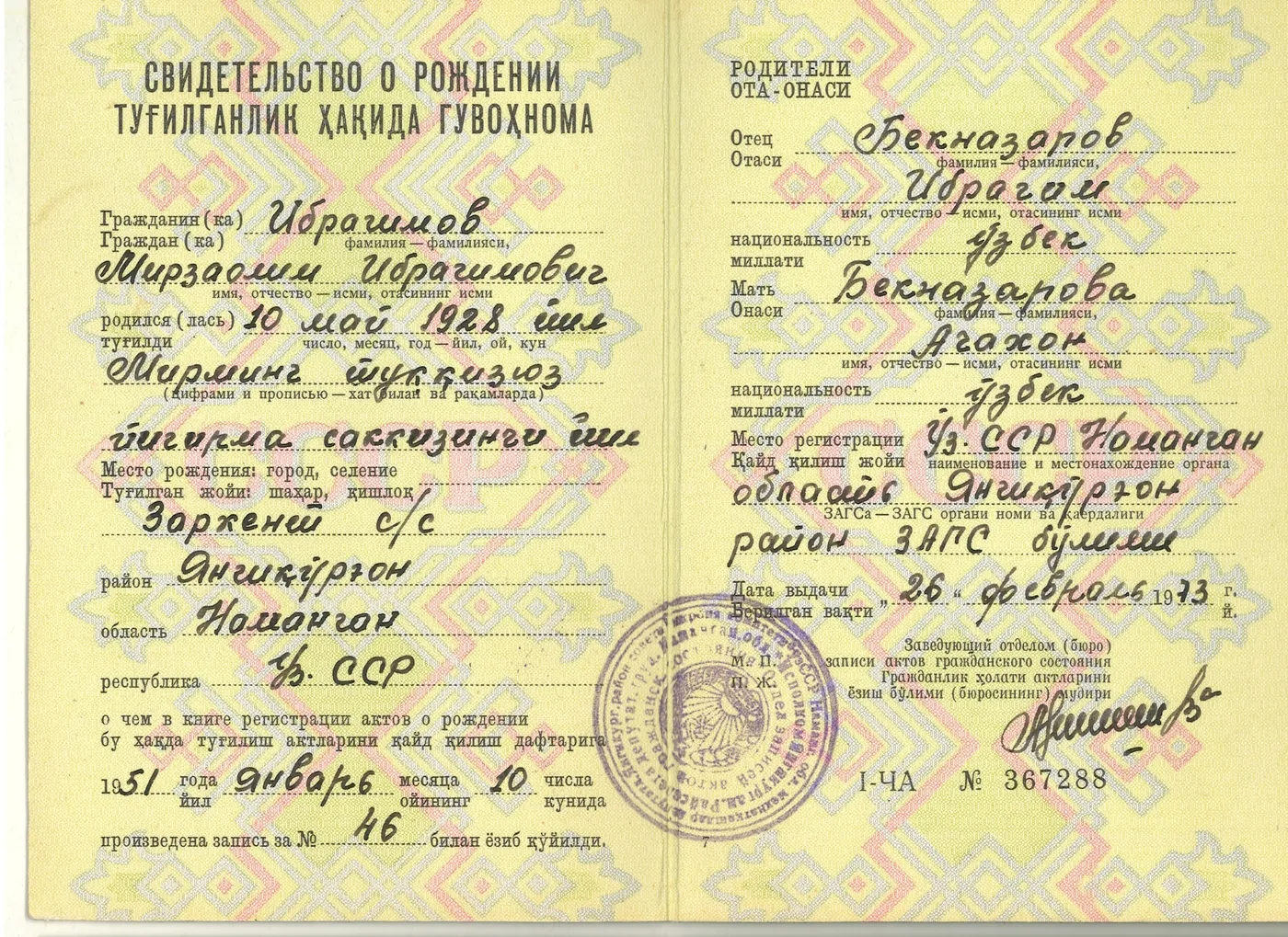
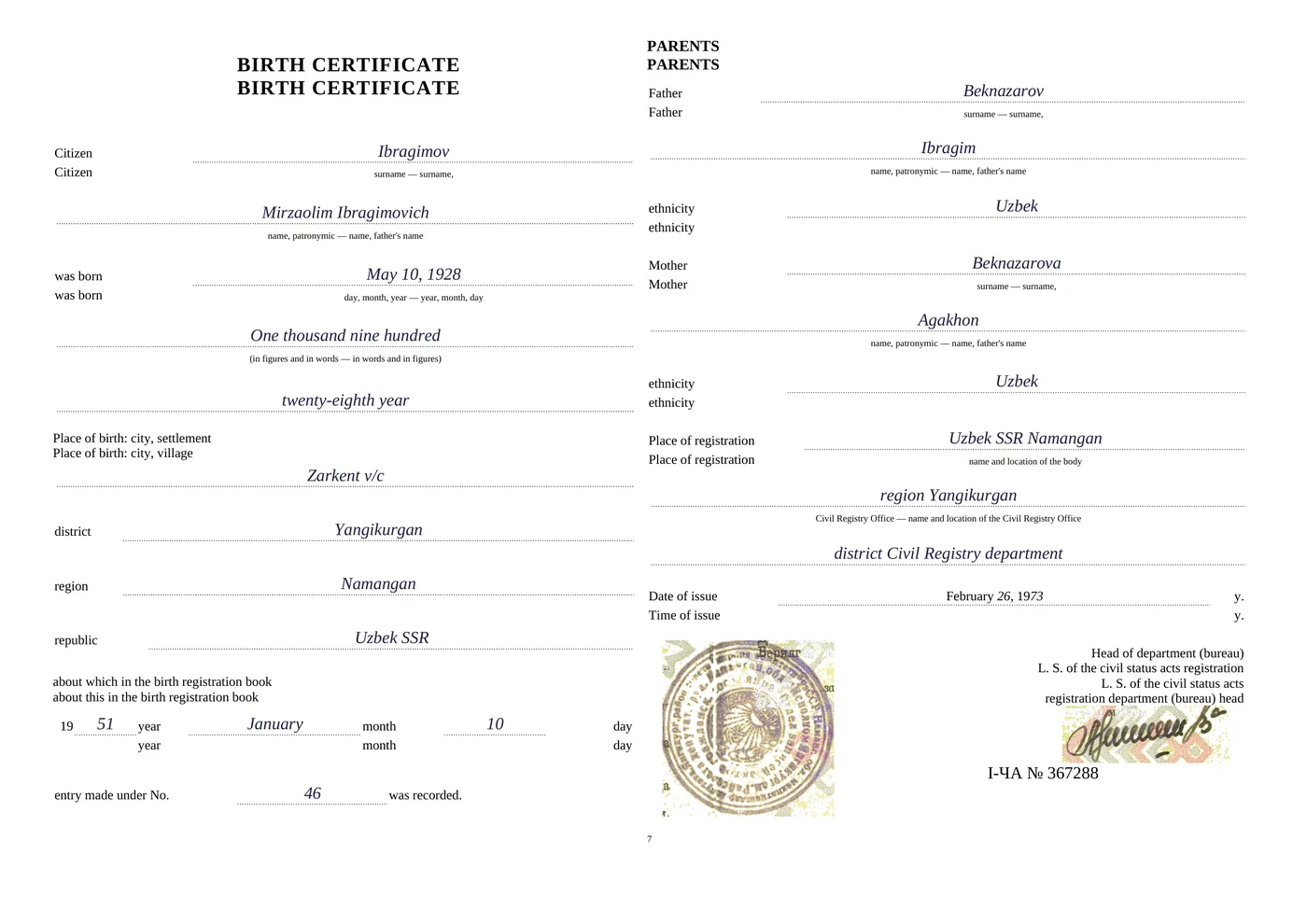
Translation formatting can create a separate problem when an old diploma includes tables, columns, stamps, or a supplement with course details. A scan is an image, so text must first be recognized before it can be translated; unclear print, handwriting, and seals can be difficult to read. In a typical document-translation workflow, ChatsControl can read a scanned document and produce a formatted Word translation that follows the page layout. The output still needs human review, especially for names, dates, stamps, and unclear marks, and very poor scans or handwriting may be read unreliably.
Don’t let a translation tool decide whether a diploma is authentic or whether an apostille is required. Those are questions for the responsible institution and the receiving authority. Use translation to make the document understandable, then check the recipient’s requirements for certification and legalization.
A final mistake is treating an apostille as a universal guarantee of acceptance. An apostille confirms the relevant official status of a document; it doesn’t decide whether a foreign university recognizes a qualification, whether a course meets an admissions requirement, or whether a particular office wants the supplement too. Ask the recipient what it needs and keep its answer with your application documents.
FAQ
Do I need to replace a diploma issued before 2017?
No. The year of issue alone isn’t a reason to replace a diploma. First check that the document is intact and accurate, then ask the organization requesting it whether it accepts the original or needs another form of proof.
What should I do if my old diploma isn’t in EDEBO or Diia?
Check the name, series, and number exactly as printed, using the name in Ukrainian. EDEBO’s register covers documents produced from 2000 with exceptions, and Diia displays documents with information in that register, so a missing result doesn’t by itself prove invalidity.
How can I apostille a diploma issued before 2000?
Ask the Ministry of Education and Science about verifying the document and confirm the receiving institution’s requirements before applying. A document’s absence from EDEBO’s stated register coverage doesn’t, on its own, establish that it is invalid or cannot be verified.
How do I replace a lost Ukrainian higher-education diploma?
Submit a written application to the institution that issued it, either personally or through an authorized representative. The Ministry states that a duplicate is made and issued within up to 20 calendar days after the application or relevant letter is received; check the current procedure with the institution.
Does an apostille go on the diploma and supplement separately?
Ask the receiving institution or embassy whether it needs the diploma, the supplement, or both apostilled. The recipient sets the requirements for its process, so don’t assume that one document’s apostille also covers another document.
What if my name has changed since my diploma was issued?
Ask the receiving institution whether it accepts the diploma together with evidence of the name change or requires a duplicate. The Ministry lists a change in personal data among the grounds for a duplicate of a higher-education document.
Can I use an old diploma if the paper is damaged?
The answer depends on whether the damage affects the integrity of the information and what the receiving organization accepts. The Ministry lists damage that affects the integrity of the information among the grounds for a higher-education duplicate, so contact the issuing institution before submitting a damaged original.
Need these documents translated?
Leave your number and we will message you, tell you which certification your institution needs, and name the price. Translation, translator review and notary certification.