A reviewer says a translation is “bad,” the translator says the brief was unclear, and the project manager has a deadline to meet. Without a shared standard, the conversation can turn into an argument about taste instead of a plan for better work.
Handling an underperforming translator starts with making the problem specific. What did the assignment require? What did the delivered work do instead? How serious was the difference, and what part of the process could explain it? Those questions help you protect the project while giving the translator a fair chance to respond.
A sound review doesn’t treat every disagreement as proof of poor performance. It separates errors from preferences, looks at the amount of text assessed, and checks whether the translator had the right brief, resources, and workload. From there, you can decide whether coaching, clearer instructions, a different assignment, or a formal performance process fits the situation.
What counts as underperformance in translation?
Translator underperformance is a repeated or significant gap between agreed requirements and delivered work, shown by evidence that a suitably competent reviewer can explain. A manager’s general impression isn’t enough to tell you what needs to change.
The expected result has to be clear before anyone can measure the gap. A translation brief may specify the target audience, purpose, domain, terminology, tone, locale, file format, and delivery conditions. A legal document for expert readers and a public-facing guide for general readers can call for different choices, even when both translations are accurate.
That distinction matters because a reviewer might dislike a sentence that follows the brief perfectly. If the client asked for a formal tone, a casual phrase can be a genuine issue. If nobody agreed on tone, a reviewer can’t fairly treat their preferred style as a definite error after delivery.
The MQM Scoring Models describe an analytic approach to translation quality evaluation. MQM says evaluators should analyze specifications and choose applicable error types before scoring. Its framework groups error categories under seven high-level core dimensions, with relevant subtypes chosen for the job rather than every category applied to every text.
A translation quality review can look at accuracy, terminology, fluency, style, locale conventions, and formatting, but the evaluation criteria should fit the assignment. Accuracy problems may include additions, mistranslations, or omissions. A formatting error in a complex form could be consequential even when the sentences read well; a minor stylistic preference may have little impact on the reader.
Severity also matters. A missing negation in a safety instruction is not equivalent to a debatable word choice in a low-risk marketing paragraph. Define how the review distinguishes serious, moderate, and minor issues, and explain the consequences in terms the project team and translator can understand.
“MQM is a framework for analytic Translation Quality Evaluation (TQE).”
- MQM Council
Analytic evaluation means identifying and classifying issues rather than handing down a vague verdict. A score can help summarize the findings, but it needs a clear explanation of which error types count, how severity affects the score, and how much text the reviewer assessed.
For evaluation guidance, ISO 5060:2024 covers human translation, post-edited machine translation, and unedited machine translation output. The standard also addresses evaluator competence and sampling. It offers evaluation guidance, not a complete corrective-action or performance-management procedure, so an agency still needs a fair process for discussing findings and deciding what happens next.
A useful baseline therefore has three parts:
- The specification: what the client and agency asked the translator to deliver.
- The evidence: examples that can be traced to a requirement or defined error type.
- The impact: why the issue matters to the reader, client, deadline, or workflow.
The same baseline helps avoid two opposite mistakes: treating a personal preference as an objective failure, and dismissing a meaningful error because the translator has delivered good work before. Assess the work in front of you against the agreed requirements, then look at the pattern across assignments.
How do you review translation quality fairly?
A fair translation review starts with the brief, uses a competent evaluator, and records how the work was assessed. The review should make it possible for another reviewer to understand what was checked and why each finding counts.
Begin by collecting the materials that set expectations: the source file, translation brief, reference materials, client instructions, agreed glossary, and any relevant feedback from earlier assignments. Confirm which version the translator received. A reviewer can’t fairly criticize a translator for ignoring terminology that was sent after delivery or for using a source file that the project team later replaced.
Next, select an evaluation scope. You can review a whole document or use a sample, depending on the project, available review resources, and the risk of the content. MQM’s overview says evaluators frequently use samples from 500 to 20,000 words, depending on project size and evaluation resources (MQM Scoring Models). That range isn’t a universal rule or an automatic quality threshold. Record the size and selection method so nobody mistakes sample findings for a complete document review.
A sample needs to give the reviewer a sensible chance of seeing the kinds of work the translator actually did. If a document includes several sections, subject areas, or formatting patterns, a handful of opening paragraphs may not represent the whole assignment. For a targeted concern, such as inconsistent terminology, review the relevant portions and say that the scope was targeted. For a broader performance decision, use a scope that can support the conclusion you plan to draw.
The evaluator’s competence is another part of fairness. A subject-matter reviewer may catch a technical error, while a qualified linguistic reviewer can assess whether the target text is accurate and natural. Neither role should be mistaken for the other. ISO 5060:2024 explicitly includes guidance on evaluator qualifications and competence (SIS, ISO 5060:2024). A non-linguist’s preference can be useful feedback about audience or usability, but it isn’t automatically a qualified linguistic assessment.
Record each finding in a way that makes the reasoning visible. A compact review entry can include:
| Field | What to record |
|---|---|
| Location | Page, segment, or a short source-text reference |
| Category | For example, accuracy, terminology, fluency, or formatting |
| Finding | What differs from the brief or source |
| Severity | How serious the issue is under the agency’s agreed scale |
| Rationale | Why the issue affects the meaning, reader, or deliverable |
| Action | Correction, discussion, or no change if the finding isn’t valid |
Avoid recording only the corrected target sentence. A correction doesn’t explain whether the original was wrong, merely less preferred, or a valid alternative. Include enough context for the translator to understand the point and respond to it.
Scores can help compare work only when the underlying method stays consistent. MQM describes a scoring approach based on selected error types, severity levels, weights, and a formula; teams can also define a passing threshold or error-tolerance value (MQM Scoring Models). A threshold should be a project rule shared in advance, not an unpublished preference that appears after delivery.
Error totals also need the amount of text assessed. Ten findings in a short sample don’t have the same meaning as ten findings across a much larger document. MQM ties scoring to the evaluation word count, so record the evaluated word count alongside the errors and score (MQM Scoring Models). Raw counts without scope can make an otherwise careful comparison misleading.
The translator deserves a chance to respond to disputed findings. Ask whether the brief contained an instruction the reviewer missed, whether a client reference supports the wording, or whether a source-text ambiguity led to a reasonable interpretation. A good review can change its mind when the evidence changes. Keep the original finding and the reason for accepting or rejecting the response, rather than silently rewriting the record.
For repeat work, a scorecard can help teams apply the same method across projects. A useful scorecard might group findings by category and severity, but it shouldn’t imply that all assignments have the same risk or that every error category matters equally. A translation of a short public notice and a technical manual may need different review priorities.
How do you diagnose the cause before giving feedback?
A translation problem can come from capability, conduct, unclear expectations, or working conditions. Diagnosing the cause first helps you choose a response that addresses the actual problem instead of applying the same warning or coaching to every situation.
Capability is about the person’s ability to perform the work. A translator may lack subject-matter knowledge, need more familiarity with a client style guide, or struggle with a particular language register. Conduct is about behavior, such as a documented failure to follow instructions that the translator received and understood. The distinction matters because a skill gap may call for training, mentoring, or a different task, while a repeated failure to follow a clear process may need a different conversation.
The Acas guidance on performance problems advises employers to understand why a performance problem is happening and distinguish capability from conduct. Acas guidance applies to UK employment contexts; check the relevant local rules and the person’s legal status before using an employee-discipline process for a freelance translator or contractor.
“If there are problems with someone’s performance at work, employers should try to understand why.”
- Acas
The practical lesson is to ask questions before assigning blame. Did the translator receive the latest brief? Was the source file complete? Did the project team provide the approved terminology? Was the deadline consistent with the agreed scope and workload? Did the reviewer assess the deliverable against the right version of the client’s instructions?
Separate quality problems from workflow problems, too. A translator might deliver accurate work late, or deliver on time with avoidable omissions. Those patterns call for different conversations. Check delivery records, agreed deadlines, communication, and any changes to the assignment, then compare that evidence with the linguistic review.
Productivity figures can be tempting because they’re easy to count. Words per hour and edit counts can give a partial view, but they don’t capture every part of translation work. A 2020 ITI productivity study followed 16 professional translators - nine freelance and seven in-house - who reported weekly for 16 weeks in the first half of 2020. The report describes factors that affect productivity as difficult to quantify and warns that measures such as speed or number of edits can miss ancillary work outside CAT tools (ITI Translator Productivity Report). The study is small and time-bounded, not a universal benchmark for daily word counts.
A slow assignment could reflect research, terminology checks, formatting, unclear source text, or time spent resolving project questions. A high output figure doesn’t show whether the result meets the brief. Use productivity data as a prompt to investigate, not as a standalone verdict.
Ask the translator for their account before you decide what the pattern means. A clear, calm conversation might cover:
- Which part of the assignment felt unclear or difficult?
- Did you have the reference materials and instructions you needed?
- Did any source issue, client change, or technical problem affect delivery?
- What would help you meet the expected standard next time?
- Is there a pattern in the feedback that you disagree with, and what evidence supports your view?
The questions aren’t a way to shift responsibility to the translator. They help surface a process defect that the agency can fix alongside any individual development need. If a brief is incomplete or conflicting, improving the brief is part of the remedy.
For a recurring language-quality issue, compare examples across assignments instead of relying on one disputed score. For a workflow issue, look at records of deadlines, clarifications, and handoffs. For a conduct concern, state the instruction, how it was communicated, and what happened. The cleaner the evidence, the easier it is to give feedback without turning the discussion into a debate about character.
How do you give useful feedback and set an improvement plan?
Constructive translator feedback names the observed issue, connects it to an agreed requirement, and gives the translator a chance to explain. A performance improvement plan then turns the discussion into specific objectives, support, and a reasonable review timeline.
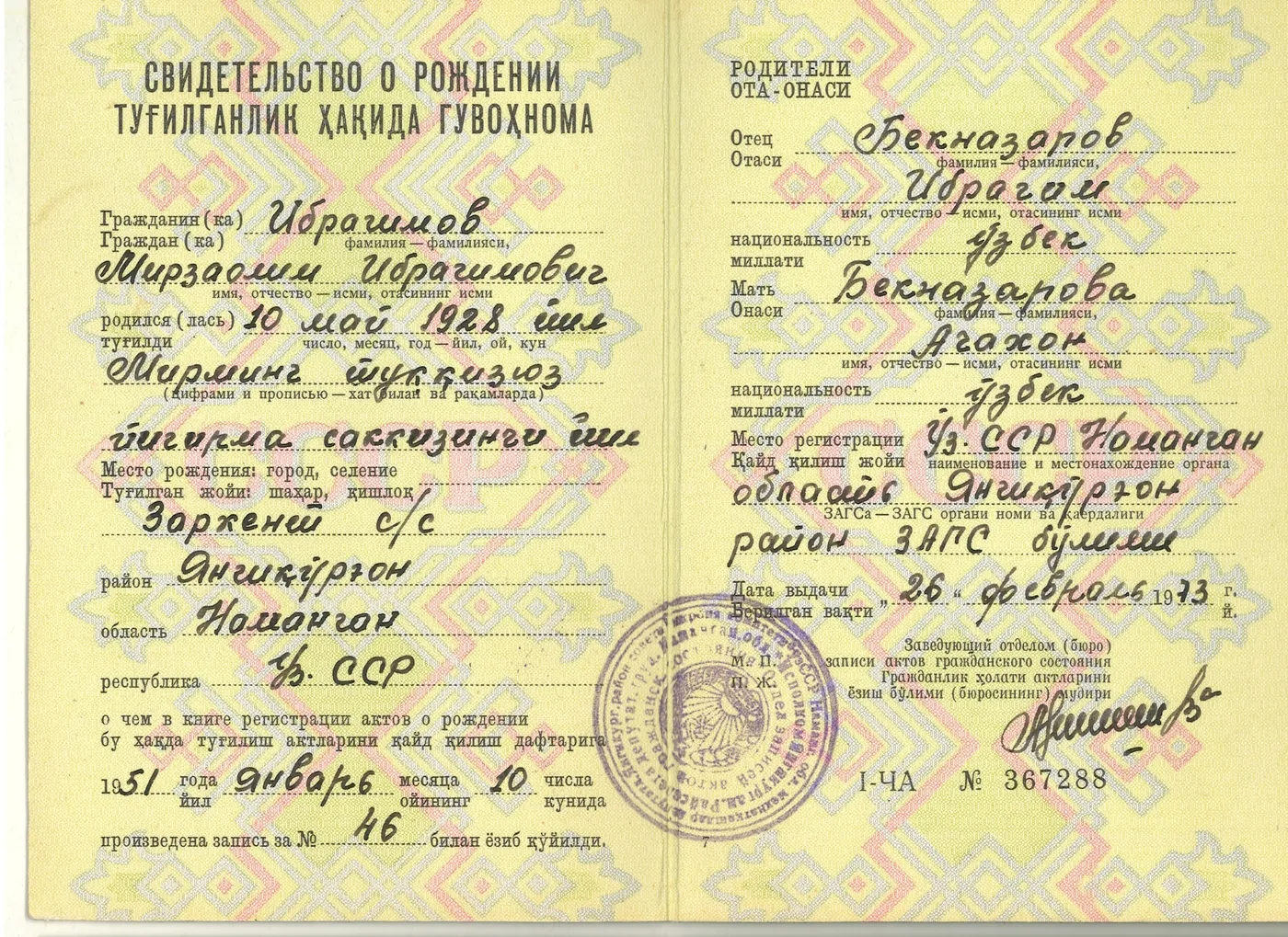
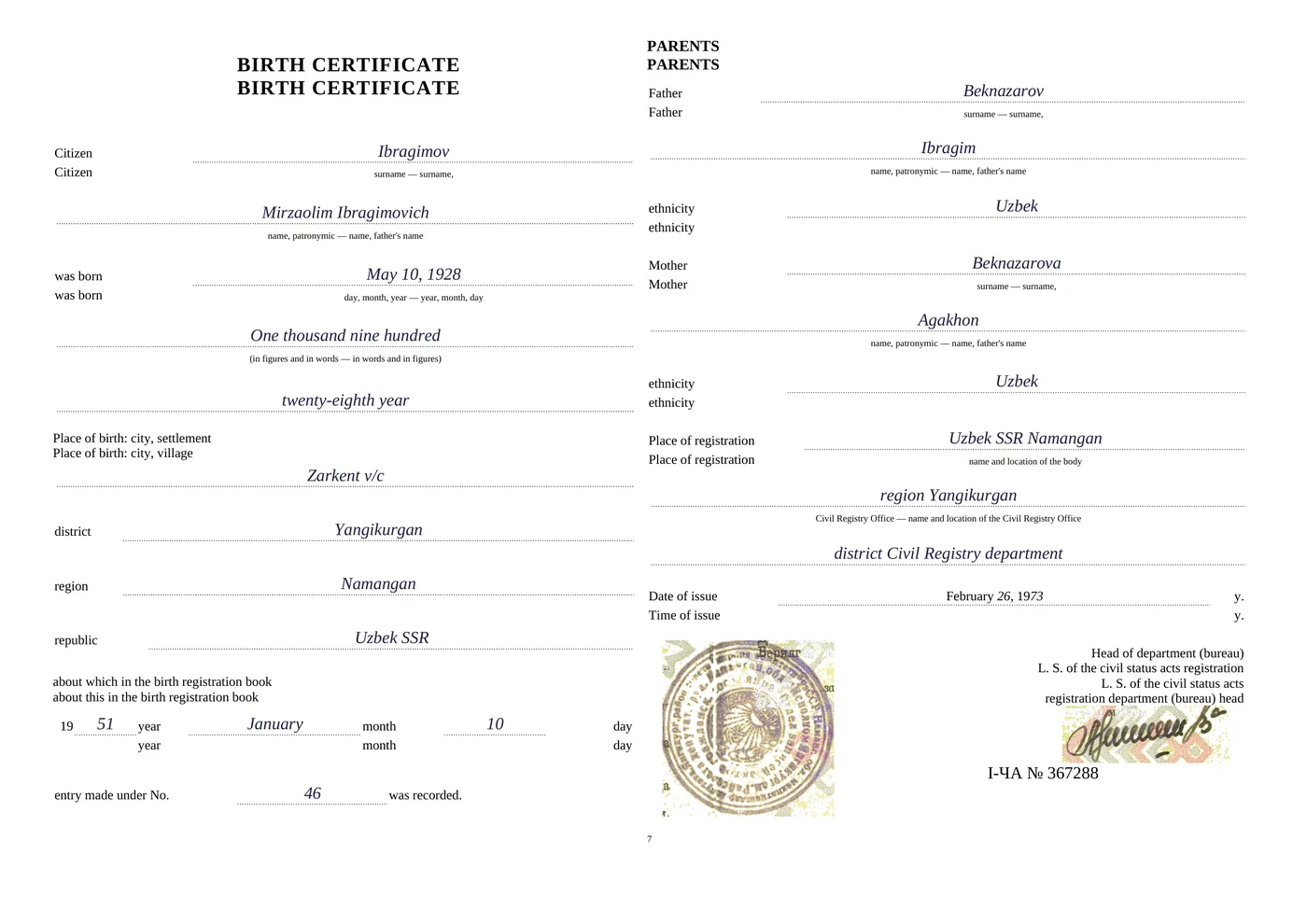
Arrange a private conversation and prepare a small number of representative examples. Avoid surprising the translator with a long list of unrelated complaints, especially if the concerns haven’t been raised before. Explain the impact of each issue in plain language: a term may change the meaning, an omitted sentence may make an instruction incomplete, or a missed delivery may disrupt the next step in the project.
Keep the tone direct and respectful. “Several approved terms in the glossary were replaced with alternatives in these passages” gives the translator something to examine. “You don’t pay attention” is a judgment about character and doesn’t explain what to change. Where the reviewer has a preference rather than a clear requirement, label it as a preference and discuss whether the brief should be updated.
After describing the evidence, invite a response. The translator might identify a conflicting reference, ask for clarification, or accept the finding and request help. Listen for specific information, then agree which findings stand and which need another review. Record the conversation and share the record so both sides can check what was agreed.
“It’s important to keep a written record of what is discussed. This should be shared with the employee afterwards.”
- Acas
A written record reduces confusion about the next step. Include the concerns discussed, the translator’s response, actions assigned to each party, and the date or event for checking progress. Acas guidance concerns employees and UK employment practice, so agencies should adapt their process to the applicable contract and local law.
A useful improvement plan doesn’t just say “improve quality.” It identifies what change would count as improvement and what support is available. The Acas performance problem guidance says a plan should identify specific objectives, a reasonable timeline, and required support or training. It also recommends discussing the plan and sharing a written record.
Build the plan around the actual gap:
- State the requirement. Name the relevant brief instruction, quality criterion, or workflow expectation.
- Describe the current evidence. Summarize the reviewed findings or missed process steps, including scope.
- Set an observable objective. Describe what the translator needs to do differently on the work being assessed.
- Offer relevant support. Provide coaching, mentoring, training, clarification, or access to the needed resources.
- Set review points. Agree when the parties will check progress and what work will be reviewed.
- Explain the next step. State what may happen if the required improvement isn’t achieved.
Objectives should be specific, measurable, achievable, relevant, and time-bound, according to Acas performance management guidance. A fair objective reflects the translator’s usual tasks and workload. Don’t use a target that depends on factors outside the translator’s control, such as a client supplying missing references or the project manager confirming terminology.
Support should match the cause. A subject-matter gap may call for reference material, a knowledgeable reviewer, mentoring, or a more suitable assignment while the translator develops. A terminology issue may call for a confirmed glossary and a way to record unresolved terms. A missed handoff may need a clearer notification process. Acas identifies coaching, mentoring, and training as possible support measures for capability issues and says employers should provide adequate resources for employees to do their jobs (Acas performance problem guidance).
A plan should also give the translator a route to raise obstacles. If the person can’t access a required reference or the brief changes, the review should account for that. Otherwise, a plan can look measurable on paper while ignoring the conditions needed to meet it.
Make consequences clear without presenting them as a threat. Acas says employers should explain what may happen if improvement isn’t achieved; possible next steps can include extending a plan where progress is partial or a final written warning followed by dismissal if the issue continues. Acas describes dismissal as a last resort requiring a fair procedure, and those steps require jurisdiction-specific legal review (Acas performance problem guidance). A freelance translator’s agreement and legal status need separate consideration.
The follow-up review should use the same criteria as the original discussion. Share the evidence, acknowledge progress, and identify any remaining gap. Acas recommends regular performance reviews, ongoing informal feedback, coaching, and check-ins rather than relying only on an annual appraisal; its guidance also says reviews should consider agreed objectives, workplace behaviors, development progress, and support needs (Acas performance management). A short check-in after an agreed piece of work can make feedback easier to act on than a surprise review much later.
How do you measure quality and productivity together?
Translator performance management should combine product evidence and process evidence because neither translation scores nor speed figures show the whole job. A practical scorecard gives each type of evidence its own place instead of combining unlike measures into a single unexplained number.
Use product evidence to assess the delivered translation against its specifications. Record error categories, severity, evaluation scope, and the impact of findings. If a sample was reviewed, show the sample size and how it was selected. If a score is used, keep the scoring method consistent and explain the threshold before it affects a decision.
Use process evidence to assess whether the work followed the agreed workflow. Relevant measures can include:
- Delivery against agreed deadlines.
- Responses to project questions and requests for clarification.
- Compliance with the brief and approved references.
- Completion of agreed file-handling or handoff steps.
- Workload changes, client revisions, and obstacles raised during the assignment.
These measures need context. A missed deadline after the client changed the scope isn’t the same as a missed deadline with no change to the assignment. A terminology deviation might reflect a translator’s choice, but it might also point to a glossary that conflicted with the client brief. Record the circumstances instead of treating every event as equivalent.
| Evidence area | What it can show | What it can’t prove by itself |
|---|---|---|
| Classified translation errors | Whether reviewed text departs from agreed specifications, and how serious the findings are | Whether a sample represents the full document if the selection method isn’t recorded |
| Error score and assessed word count | How findings compare within a defined evaluation scope | That two assignments are equivalent if their criteria or risk differ |
| Deadline record | Whether the agreed delivery date was met | Whether lateness was within the translator’s control |
| Edit or speed data | A partial view of work activity | Overall quality or productivity across all work and ancillary tasks |
| Brief and reference compliance | Whether agreed instructions and resources were used | Whether those instructions were complete and consistent |
Avoid using raw error counts without the amount of text assessed. Avoid using words per hour as a universal target. The ITI report’s 2020 study and its discussion of hard-to-quantify productivity factors make clear why speed and edit counts shouldn’t stand alone (ITI Translator Productivity Report). That study’s participants and period describe the research, not a standard you can impose on a translator today.
Quality and productivity can interact, but they are not interchangeable. A translator who takes longer to research unfamiliar terminology may deliver accurate work while missing a deadline. A translator who produces quickly may still need repeated corrections. Investigate the cause of each pattern separately, then decide whether the plan needs to address quality, workflow, or both.
The review interface can also affect how practical feedback feels. When a translator and reviewer compare source and target line by line, they can focus on specific passages rather than pass around disconnected comments. In a typical workflow, ChatsControl displays the source and translation together for review, with translated text highlighted and the original available on hover. That view can help a reviewer inspect a draft, but it doesn’t replace a competent evaluation against the agreed brief or the manager’s conversation with the translator.
An agency doesn’t need software to build a fair process. A shared spreadsheet or review form can record the same essentials: specification, scope, categorized findings, severity, response, agreed actions, and follow-up. The important part is consistency. Use the same definitions for comparable assignments, and note when a project needs different criteria because its audience, content, or risk is different.
Common mistakes when managing an underperforming translator
A performance process can go wrong even when the underlying concern is real. The most common failure is moving from a complaint straight to a verdict without checking the brief, evidence, or cause.
Calling every disagreement an error. Reviewers can disagree about naturalness and style. Check the specification first, then separate a demonstrable error from a preference that wasn’t in the brief. MQM defines an error score in relation to quality according to agreed specifications, so a reviewer preference that was never agreed shouldn’t be treated as though it were automatically a formal error (MQM Scoring Models).
Scoring work without a clear method. A score that depends on one reviewer’s undisclosed weights can’t support a fair comparison. Choose applicable error types, define severity and scoring rules, and state any threshold before using the score to make a decision. Keep the assessed word count with the result so the score has context (MQM Scoring Models).
Treating a sample as a full-document audit. Sampling is a legitimate evaluation choice, but sample results aren’t a census of the complete deliverable. Record what you reviewed, how you chose it, and which conclusions the sample can support. ISO 5060:2024 includes sampling as an evaluation consideration (SIS, ISO 5060:2024).
Relying on an unqualified reviewer. A person who knows the subject matter may have useful input, but language quality calls for an evaluator with relevant linguistic competence. Ask reviewers to explain their qualifications for the assessment and separate subject-matter comments from language findings. ISO 5060:2024 includes guidance on evaluator qualifications and competence (SIS, ISO 5060:2024).
Using speed as the entire productivity measure. Word counts and edit activity don’t capture every task involved in translation. Check the agreed workload, scope changes, research demands, and time spent resolving questions before drawing conclusions from speed. The ITI report on its 2020 study cautions that speed and edit counts can miss ancillary work outside CAT tools (ITI Translator Productivity Report).
Giving feedback without a route to improve. “Do better next time” doesn’t tell a translator what to change or how the agency will judge progress. Agree on a concrete objective, useful support, a review point, and the next step if the required change doesn’t happen. Keep a written record and share it where the applicable employment relationship and law call for that process (Acas performance management).
Applying employee discipline to every freelance relationship. A freelance contract isn’t automatically an employment relationship. Acas says its performance-management procedures mainly concern people with employee status, and that agency, casual, and zero-hours workers aren’t likely to be employees, though an organization may choose a similar process to support the working relationship (Acas performance management). Check the contract and relevant local law before using employee procedures with an independent translator.
Skipping the translator’s response. A reviewer may have used the wrong source version or missed a client instruction. Let the translator explain the evidence, then record what changed in the assessment and why. A fair process can still reach a firm conclusion; hearing the response helps ensure that conclusion rests on the right facts.
The goal isn’t to remove accountability. The goal is to connect expectations, evidence, and action so the translator knows what must change and the agency can explain how it reached its decision. If the gap remains after clear feedback and appropriate support, the agency can then consider next steps under the relevant agreement and legal process.
FAQ
How do you handle an underperforming translator?
Define the expected quality and workflow, then review representative work against those expectations. Discuss specific findings with the translator, diagnose whether the cause is capability, conduct, unclear instructions, or working conditions, and agree on objectives, support, and a review date.
How should a translation agency measure translator performance?
Use a consistent scorecard that combines translation findings with process evidence such as brief compliance, communication, deadlines, and agreed workload. Record the assessment scope and word count, and don’t compare raw error totals or speed figures on their own.
How do you give constructive feedback to a translator?
Show specific examples tied to the brief, explain why they matter, and ask for the translator’s perspective. Agree on a practical change or support measure, then share a written record of the discussion and next steps.
What should a translator performance improvement plan include?
A plan should state specific objectives, a reasonable timeline, and the support or training required. Discuss it with the translator, share a written record, set review points, and explain what may happen if the required improvement isn’t achieved.
How do you distinguish translation quality problems from productivity problems?
Review the translation against its specifications separately from delivery and workflow records. Slow output doesn’t prove poor quality, while a low error count doesn’t prove reliable delivery if the translator missed agreed deadlines or instructions.