A fluent draft can still be a bad translation: it may read smoothly while changing a contract term, dropping a qualification, or turning a client’s preferred wording into something else. For an agency choosing between GPT-style large language models and traditional neural machine translation, the useful question isn’t which tool sounds more impressive. It’s which workflow produces acceptable work for a specific language pair, subject area, and review budget.
The research gives no universal winner. Some tests favor NMT on automatic metrics; some expert reviewers favor an LLM; results change with the language direction and the way quality is judged. That makes the decision less like picking a permanent house engine and more like qualifying a supplier: test the output, count the review work, and make sure the workflow fits the project’s confidentiality and terminology requirements.
What GPT and NMT actually do in a translation workflow
Neural machine translation, or NMT, is a system designed to translate text from one language to another. GPT-style large language models, or LLMs, are trained to generate text from context and instructions. Agencies can ask an LLM to translate directly, revise an NMT draft, annotate errors, or work through a multi-step process with separate instructions.
The distinction matters because the tools don’t approach a job in exactly the same way. An NMT engine is built around translation. An LLM can also take a brief, explain a choice, follow an editorial instruction, or generate a revised passage. Those extra options can be useful, but they don’t guarantee a more accurate translation.
A translation agency’s result depends on more than the model. The source file may be ambiguous; a glossary may be incomplete; a brief may not say whether to preserve a legal term literally or adapt it for the target market. The reviewer’s skill and the time available also shape the final quality. Comparing two engines without holding those conditions steady can make a workflow look better or worse for reasons unrelated to the model.
The terms “GPT” and “LLM” also don’t name one fixed translation system. A model, its version, the prompt, and the surrounding steps can all affect output. “NMT” likewise covers more than one engine. A test that compares one model with one NMT baseline answers a narrower question than “Which technology should our agency use?”
A May 2025 preprint compared Google Translate as an NMT baseline with GPT-4o, o1-preview, and two GPT-4o multi-agent workflows. The test covered legal-contract and news text in English to Spanish, Catalan, and Turkish, so it offers a useful comparison across particular materials, not a ranking for every agency language pair or subject area (study submitted 2 May 2025).
That limitation is worth keeping visible whenever a benchmark appears in a vendor presentation. A result on news and contract text can inform a test plan, but it cannot establish how the same systems will perform on a medical device manual, a marketing campaign, or a set of customer-support macros.
Another distinction helps when teams discuss “AI translation.” A raw machine draft is not the delivered translation. Post-editing means a person reviews and corrects machine output against the source and the assignment requirements. The agency still needs a process for assigning responsibility, deciding how much checking each risk level needs, and confirming that the final text meets the client’s brief.
What the research says, and what it doesn’t
Research findings become more useful when you read the evaluation method alongside the headline. Automatic metrics compare output with reference translations or use a model-based score to estimate quality. Human assessment asks reviewers to judge qualities such as adequacy and fluency. Each method can reveal something different; neither should be mistaken for a complete measure of client satisfaction.
In the May 2025 preprint, the mature NMT baseline ranked first in seven of twelve automatic metric and language combinations. O1-preview tied or ranked second in most of the remaining combinations. The same study’s expert ratings favored o1-preview for adequacy and fluency in five of six comparisons, while the iterative agent ranked ahead once. The result changed depending on whether the evaluators were automatic metrics or human experts (study submitted 2 May 2025).
“Automatic scores still favour the mature NMT system, which ranks first in seven of twelve metric-language combinations; o1-preview ties or places second in most remaining cases, while both multi-agent workflows trail.”
That sentence captures the core tension: a system can lead on a set of automatic scores without being the human reviewers’ preferred output. An agency shouldn’t turn either result into a blanket claim about quality. The useful question is whether a system performs well on the agency’s own material and whether its reviewers can catch the remaining errors.
A separate 2025 study assessed GPT-4o and Google Translate using two retired ATA certification-exam texts in English to Chinese and English to Arabic. The researchers used COMET, an automatic metric, and manual assessments by ATA-certified graders. The sample produced eight target texts, which makes it informative but too small to establish a universal result (study published in 2025).
Only GPT-4o’s English-to-Arabic translations achieved superior quality on both required texts in that study. The authors also reported different error profiles across the tested directions: GPT-4o’s English-to-Chinese output showed challenges with terminology, literalness, and omission, while Google Translate showed more cohesion issues, followed by literalness and misunderstanding. For English to Arabic, terminology and literalness were leading challenges for both systems (2025 study).
“These findings highlight the importance of complementing automatic metrics with human assessment in translation quality evaluation.”
The authors’ point is practical, not merely academic. A score can make systems easier to compare, but it may miss the significance of a rhetorical expression or idiom. For agencies, a metric is one signal for screening and monitoring. A bilingual reviewer still needs to judge whether the translation says what the source says in the right way for the client.
The research on LLM post-editing adds another caution. A June 2024 study compared ChatGPT with seven to eight professional translators post-editing three English-to-Dutch literary short stories. ChatGPT made more changes than the average human post-editor and increased lexical richness, but its edits corrected fewer machine errors and introduced more problems than the professionals’ edits (study published June 2024).
“ChatGPT made more changes than the average post-editor. ChatGPT improved lexical richness over machine translation for all texts.”
More edits aren’t automatically better edits. A stylistically varied sentence can still drift from the source, and a polished rewrite can make an error harder to spot. That study concerns short literary texts in one language direction, not commercial translation productivity across agency sectors, so treat it as evidence about a specific post-editing task rather than a forecast of agency-wide savings.
A June 2024 EAMT paper evaluated GPT-4, Claude 3, and Gemini for automatic post-editing and MQM error annotation using a pharmaceutical EMEA corpus across four languages. The study used WER, sacreBLEU, and COMET against human post-edited references; human MQM evaluation was outside the reported experiment. The authors identified human MQM assessment, task-specific fine-tuning, and style-guide integration as areas for future work (EAMT proceedings, published June 2024).
The distinction between an automated score and a human quality judgment matters when interpreting that paper. Its results can inform how an automated workflow performs against references, but they don’t show that human evaluators judged its output to be fit for a client. A useful evidence summary therefore separates what a paper measured from what an agency hopes the system will do.
| Evidence | What it tested | What an agency can take from it |
|---|---|---|
| 2025 legal and news benchmark | Google Translate, GPT-4o, o1-preview, and multi-agent workflows across three English-to-target directions | Metric leadership and expert preference differed; the benchmark isn’t a universal ranking. |
| 2025 ATA-framework study | GPT-4o and Google Translate on two retired exam texts in English to Chinese and Arabic | Results differed by language direction, and automatic scores missed some nuances. |
| 2024 literary MTPE study | ChatGPT and professional translators editing three English-to-Dutch literary stories | More changes and richer wording didn’t mean fewer errors. |
| 2024 pharmaceutical workflow paper | Three LLMs for post-editing and MQM error annotation across four languages | Automated scores against references aren’t direct human MQM judgments. |
How to compare GPT and NMT on your agency’s work
A fair comparison starts with a sample that resembles the work you actually sell. Choose texts from the subject areas, formats, and language directions that matter to the agency. Include clean, ordinary material and a few difficult passages: ambiguous source wording, dense terminology, long sentences, repeated product names, and content where an omission could change the meaning.
Keep the source, brief, glossary, and review instructions consistent across systems. If one engine receives a detailed context prompt and another gets a bare sentence, the test compares the setup as much as the technology. Record the model or engine, settings, and date of the trial so the team can repeat the comparison later.
A practical evaluation can follow these steps:
- Choose representative source material. Select material your agency is allowed to use for testing. Remove or protect confidential information according to the client agreement and your internal policy.
- Set the assignment brief. Specify audience, purpose, tone, locale, and whether the translation should favor literal fidelity or natural phrasing.
- Prepare the terminology. Supply the same approved terms, names, and style rules to each system where the tool supports them.
- Generate the drafts. Use the same source content and comparable instructions. Keep separate copies of raw output so reviewers can see what each system actually produced.
- Review against the source. Ask qualified reviewers to check meaning, omissions, additions, terminology, grammar, register, and consistency. Don’t let an attractive style score stand in for error checking.
- Record the work, not just the score. Note corrections, review time, recurring error types, and any issues that would have affected delivery.
- Decide by project type. Use the findings to set a workflow for each content category, then retest when the model, engine, brief, or source material changes.
A scorecard makes the comparison easier to repeat. Rate the same categories for each output, and leave room for reviewers to quote the source and target when they flag a problem.
| Check | Reviewer’s question | Record |
|---|---|---|
| Meaning | Does the target text preserve the source’s claims, conditions, and relationships? | Errors, additions, or omissions |
| Terminology | Does the translation use the approved term consistently? | Term and preferred rendering |
| Names and numbers | Are names, dates, amounts, and identifiers preserved correctly? | Mismatches and corrections |
| Fluency and register | Does the target sound natural for the intended reader without changing meaning? | Awkward or over-edited passages |
| Consistency | Are repeated phrases and concepts handled consistently across the document? | Inconsistencies |
| Review effort | What did the reviewer need to correct before the text was ready for the next step? | Corrections and time spent |
Automatic evaluation can support this process, especially when an agency needs to compare many outputs. It can’t settle every question. The 2025 ATA-framework study reports that COMET scores alone missed nuances in rhetorical expressions and idiomatic language, and its authors call for human assessment alongside automatic metrics (study published in 2025).
The result of a test should be a workflow decision, not a trophy for one engine. An agency might find that one system gives a useful first draft for a content type while another is easier to check for terminology or style. A reviewer may also find that a particular system produces fluent prose but requires more source comparison to catch omissions. Record those patterns by language direction and task rather than folding them into one “quality” score.
A small test also needs a sensible sampling plan. A handful of easy sentences won’t expose problems in a long contract, a document with repeated terms, or a text with subtle qualifications. Review complete passages where context affects meaning, and include enough material to see whether terminology stays stable from one section to the next.
Match the workflow to the work
NMT and LLMs aren’t mutually exclusive categories in an agency’s process. Teams can use an NMT engine for a draft and a human for review; they can use an LLM for a first translation, editing, or error annotation; they can also keep a translator in control of the whole task. The best choice depends on what the client needs, how costly an error would be, and what kind of review the team can provide.
| Project condition | Workflow to test | Main point to check |
|---|---|---|
| Repeated technical text with approved terms | NMT or LLM draft with a controlled glossary and human review | Whether the system follows terminology consistently |
| Material with nuanced argument or idiom | Compare systems and prioritize close bilingual review | Whether style changes preserve intent and nuance |
| Repetitive internal content with low consequences | Test a lighter review process against an agreed quality threshold | Whether omissions or inconsistent wording still appear |
| High-consequence legal or regulated content | Use a qualified human reviewer and a documented approval process | Whether every condition, figure, and defined term matches the source |
| Text with strict formatting needs | Choose a document workflow that preserves layout and supports checking | Whether tables, headings, and text stay reviewable |
The table is a starting point, not a substitute for the client’s requirements. A “technical” label doesn’t make terminology control automatic, and an “internal” label doesn’t mean the text can contain errors. The brief should define what counts as acceptable, who signs off, and how the team handles uncertain passages.
A further distinction is whether the task is translation or post-editing. If a reviewer receives a machine draft, the agency should tell them what level of revision is expected. Light post-editing may focus on clear errors and basic readability; a more demanding review may require a full check against the source, style guide, terminology, and client purpose. The project brief needs to match the review fee and deadline to the actual level of responsibility.
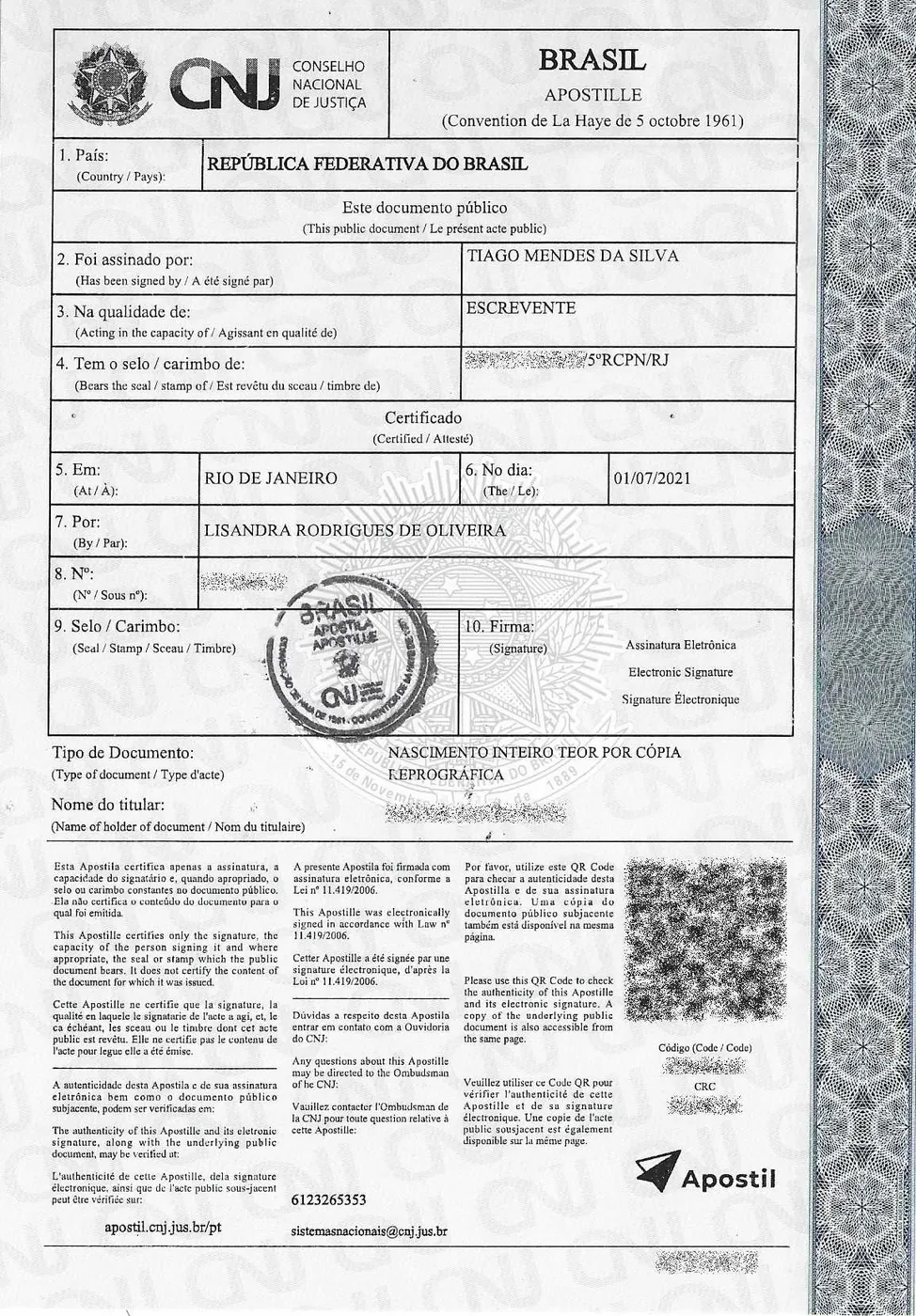
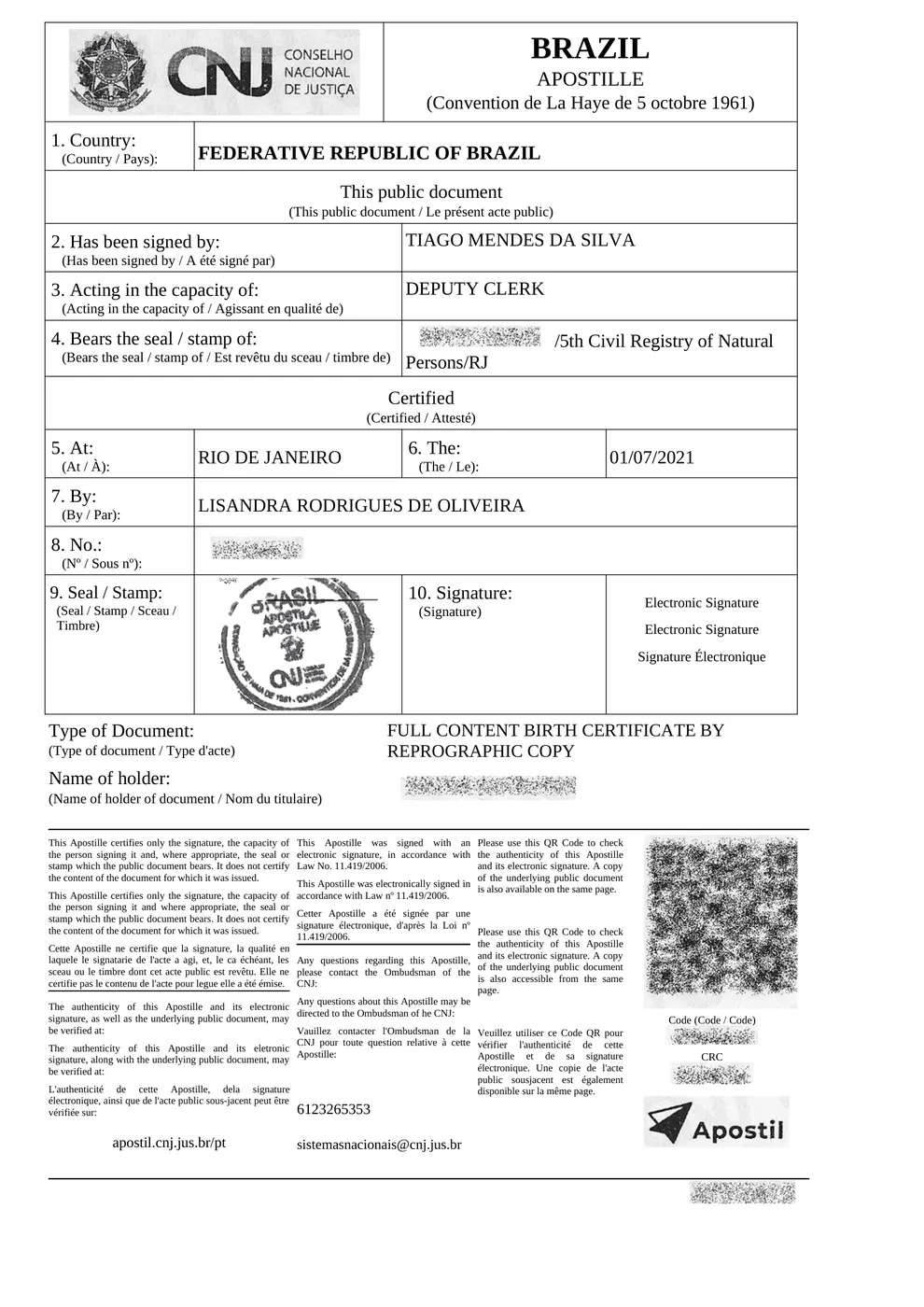
For document jobs, the file itself can affect review quality. A translator who receives a wall of text without tables, headings, or page context may have a harder time checking how a clause or label fits into the original. In ChatsControl, a user uploads a DOCX or PDF and gets a translated Word file with document structure retained; a bilingual review view shows the source and translation together. The tool is a document-translation aid, not a full CAT tool or TMS, and it doesn’t provide translation-memory leverage or segment-level project management. See ChatsControl as one option for a document-first draft and review workflow.
That workflow solves a file-handling problem, not the question of which engine is best for every text. Agencies still need to decide whether a draft is fit for purpose, apply their review process, and manage client-specific requirements. A tool that makes the document easier to check doesn’t remove the translator’s responsibility to check it.
A GPT-based workflow may also use multiple stages: one step generates a draft, another checks it, and a later step revises selected passages. More steps can add instructions or review signals, but they also add complexity. The agency should measure whether the extra stages find useful errors and whether the time and cost justify them.
The May 2025 benchmark illustrates that trade-off. Its sequential and iterative multi-agent workflows used roughly five times and fifteen times as many tokens, respectively, as NMT or a single-pass LLM. Those ratios describe token use in that experiment, with token costs calculated using April 2025 pricing; they aren’t a universal estimate of agency cost or a full accounting of human review and infrastructure (study submitted 2 May 2025).
A multi-agent setup can still be worth testing where the extra stage solves a defined problem. For example, an agency can check whether a separate terminology review catches errors that the first pass missed. The right measure isn’t the number of agents in the workflow. It’s whether the additional work produces a meaningful improvement for that particular project.
Cost, adoption, and confidentiality
A lower API or engine cost doesn’t necessarily make a translation workflow cheaper. The agency also pays for human review, project setup, terminology preparation, troubleshooting, and any revisions required after client feedback. A system that produces a low-cost draft but takes longer to correct may not reduce the total effort. A system with higher usage costs may still be worthwhile if it reduces work without lowering the agreed quality bar.
The research dossier doesn’t provide an all-in agency cost comparison between GPT and NMT. The 2025 benchmark’s token ratios are specific to its workflows, and its token-price comparison used April 2025 pricing. They shouldn’t be turned into a per-word agency quote or a promise about production costs (study submitted 2 May 2025).
For a useful internal estimate, measure the cost categories your team can observe: tool usage, setup time, reviewer effort, correction volume, and rework. Compare the same project type across systems. Keep the test scope explicit; a cost result from a short news text won’t automatically predict the effort for a long contract or a multilingual product release.
Adoption figures can help explain why agency teams are experimenting, but they don’t show that an approach works for a particular business. Slator reported that its April 2024 survey of 223 companies found one in three language service providers had implemented LLMs and close to 20 percent had tested use cases or beta versions. The report also found different adoption rates across its company-size categories: 75 percent of “Super Agencies” and just under 30 percent of boutiques in that survey had implemented LLMs (Slator survey report, published 2024). Those are survey findings, not a census of agencies or a measure of translation quality.
Confidentiality needs a separate check from quality. Before employees paste client text into an LLM, confirm what the client agreement permits, which service and account settings apply, what data is retained, and who inside the agency is allowed to use the tool. A provider’s general statement about training doesn’t answer every operational or contractual question.
OpenAI’s API documentation says API content isn’t used to train or improve models unless the customer opts in. The same documentation says abuse-monitoring logs may contain prompts and responses and are retained for up to 30 days by default; longer retention may apply in specified cases. Eligible API customers can request Zero Data Retention or Modified Abuse Monitoring, but those controls require approval and aren’t automatic guarantees for every API user (OpenAI API data controls, live documentation checked during research).
“Your data is your data.”
OpenAI’s documentation pairs that statement with specific controls and qualifications, so teams should read the details rather than treat the short line as a complete security assessment. An agency’s own policy should identify what data can be sent, to which approved service, under what account settings, and how staff should handle material that must stay out of cloud tools.
Failure modes agencies should plan for
The most common workflow mistake is treating fluency as proof of correctness. An LLM can produce a smooth paragraph that looks finished, while a changed condition or omitted phrase shifts the meaning. Reviewers need to compare target text with the source, not only read the translation as if it were original writing.
Terminology drift is another problem. A tool can render the same concept differently across passages, or choose a plausible word that conflicts with the client’s glossary. Build the approved terminology into the brief where the system supports it, then check the actual output. A glossary instruction is not evidence that the output followed it.
Over-editing can hide problems too. The 2024 literary study found that ChatGPT made more changes than the average professional post-editor, but corrected fewer machine errors and introduced more problems. That finding is specific to the study’s literary texts and language direction, but it gives agencies a clear reason to inspect edits for meaning rather than reward a high volume of rewrites (study published June 2024).
Multi-agent workflows can create another false sense of security. A second model reviewing the first model’s output is still an automated process, not independent proof that the translation is correct. The agency should test what each stage catches, check whether the reviewer model repeats the same types of mistakes, and retain human review when the project calls for it.
Automatic metrics can also create false confidence when a score is treated as a verdict. The ATA-framework study found that COMET alone missed nuances in rhetorical expressions and idiomatic language. A strong score can support a decision, but an agency should still use human assessment for passages where tone, implication, or domain meaning matters (study published in 2025).
A final risk is choosing an evaluation sample that flatters the tool. If the test uses only clean, short sentences, it may not reveal how the system handles long documents, repeated terminology, ambiguous source text, or instructions that conflict. Include difficult material and agree in advance on what constitutes a critical error. Reviewers should also have a way to flag uncertainty instead of guessing at an intended meaning.
For agencies documenting a repeatable process, a written procedure can clarify who approves prompts, which content is permitted, how reviewers record errors, and when a project must move to a different workflow. The guide to SOPs for translation agencies can help structure that operational documentation. Teams comparing machine drafts with human-led revision can also use MTPE vs human translation to define which task they’re actually evaluating.
I asked Réka Patik, an English-to-Hungarian translator, to try ChatsControl. On 13 November 2026, she wrote that it “created a really good Hungarian translation! Better than most machine or AI output I post-edit” (“created a really good Hungarian translation! Better than most machine or AI output I post-edit”). Her review is on the site, and her wording is one translator’s report, not a benchmark or a promise that the same result will hold for every job.
A sworn court translator-interpreter from Luxembourg who works in German, English, French, Serbian, and Macedonian told me he had tried CAT tools and was not satisfied, because he translates himself and “the most time takes rebuilding the layouts” (“the most time takes rebuilding the layouts”). After trying ChatsControl on his documents, he wrote “I’m amazed” (“I’m amazed”); his review appears under the name Miroslav Božić. His comments describe his own experience with document layout, not a general comparison of translation quality across tools.
The two reviews point to separate agency concerns: the translation draft and the file that a translator has to work with. Neither review replaces a controlled evaluation. Agencies can use feedback like this to identify what to test, then judge the result against their own source material, terminology, quality requirements, and review process.
A decision checklist for your next pilot
Use this checklist before changing a production workflow. The aim is to make the choice reviewable by the team and explainable to the client, not to produce a single score that hides the details.
- Define the job. Name the language direction, subject area, target audience, and purpose.
- Set the quality bar. State what reviewers must check and who approves the final text.
- Choose a fair sample. Include representative passages and the kinds of difficult content the agency actually handles.
- Control the test conditions. Keep the source, brief, glossary, and review instructions comparable.
- Check more than fluency. Record meaning shifts, omissions, additions, terminology, names, numbers, register, and consistency.
- Measure review effort. Record the corrections and time needed to make each draft acceptable for the agreed purpose.
- Check confidentiality first. Confirm the client agreement, service settings, retention policy, and internal access rules before sending content.
- Document the decision. Record which workflow fits which project type, what the limits are, and when the team must ask for human review.
The comparison becomes more useful when the agency keeps its own evidence over time. A model’s output may change as versions and settings change; an NMT engine may also behave differently on another language direction or domain. Record the date and configuration for each pilot, and repeat the test when a material part of the workflow changes.
A reviewer should also be able to raise a stop flag. If the source is unclear, the terminology is disputed, or the text has a high consequence if mistranslated, the right next step may be a question to the client or a qualified human review, not another automated pass. The workflow should make that escalation easy rather than hiding uncertain passages inside polished output.
For agencies managing several tools and vendors, a documented comparison can sit alongside broader process planning. The article on translation agency tools and processes covers how teams can define responsibilities and handoffs across a remote workflow.
FAQ
Is GPT better than NMT for professional translation?
Neither system is consistently better across language directions, content types, and evaluation methods. A 2025 benchmark found different leaders for automatic metrics and expert ratings, so agencies should test their own material and include human review (study submitted 2 May 2025).
Should a translation agency use LLMs or neural machine translation?
Choose by task rather than by label. Compare output quality, terminology handling, review effort, data requirements, and cost on representative projects, then keep a human responsible for the final text.
Can GPT replace human post-editors in a translation agency?
The cited research doesn’t establish that GPT can replace human post-editors. A 2024 study of English-to-Dutch literary short stories found that ChatGPT corrected fewer machine errors and introduced more problems than professional post-editors (study published June 2024).
What are the risks of using GPT for translation post-editing?
An LLM may make fluent edits that still change meaning, omit content, or mishandle terminology. Review every proposed change against the source, with particular attention to names, numbers, domain terms, and client-specific style rules.
How should agencies compare LLM and NMT translation quality?
Use the same source, language direction, brief, and review conditions for each system. Combine automatic metrics with bilingual human assessment because automatic scores can miss rhetorical and idiomatic nuances (2025 ATA-framework study).
Is it safe to send agency client text to an LLM API?
Check the provider’s current controls and the client agreement before sending text. OpenAI’s API documentation says prompts and responses may appear in abuse-monitoring logs retained for up to 30 days by default, and that eligible customers can request additional controls (OpenAI API data controls).