A Polish birth certificate can look like a straightforward translation job until the Ukrainian office asks for a particular form of certification, or someone assumes an apostille is required and starts a procedure they may not need. The safest first move isn’t choosing a translator: it’s asking the authority that will receive the document what it accepts.
What you need to decide before translating
A Polish-to-Ukrainian document translation is a version of a Polish document rendered in Ukrainian, but the translation itself is only one part of preparing paperwork for an official purpose. The receiving institution may also care about the translator, the certification, the original document, or whether the document needs legalization.
Start by identifying the exact purpose. A Polish marriage certificate submitted to a Ukrainian civil registry office may have different practical requirements from a Polish diploma submitted to a university or a criminal-record certificate sent to an employer. The document’s name alone doesn’t tell you which translation format the receiving body will accept.
Ask the Ukrainian authority for a written answer to these questions:
- Does it need a translation into Ukrainian?
- Does the authority accept a translation made by a private translator, or does it require a particular form of certification?
- Does it accept a translation made by a Polish consul?
- Does the document itself need an apostille or another form of legalization?
- Must you submit the original, a certified copy, or a scan?
Those questions keep separate issues separate. Translation concerns the meaning of the text. Certification concerns who confirms the translation or the translator’s signature. An apostille is a separate authentication of an official document for use abroad; it isn’t a translation and doesn’t verify that the translated words are correct.
The Polish diplomatic page on apostille refers to Article 15 of the treaty between Poland and Ukraine dated 24 May 1993. The page says that official Polish and Ukrainian documents are recognized in both countries without legalization. That statement concerns official documents and doesn’t mean that every private paper, translation, or receiving authority follows the same procedure. Read the Polish diplomatic guidance on apostille and confirm what the Ukrainian institution handling your case requires.
The Polish diplomatic page says: “ukraińskie oraz polskie dokumentu urzędowe są uznawane zarówno w Polsce jak i na Ukrainie bez potrzeby ich legalizacji.” Translation: “Ukrainian and Polish official documents are recognized in Poland and Ukraine without the need for legalization.” (Source)
The useful detail is the word “official.” Don’t extend the statement to a private declaration, an informal letter, or a translation without checking. A receiving office may still specify what it needs from the translation, even when the underlying official document doesn’t need legalization under the treaty described on the page.
Which Polish documents might need Ukrainian translation?
The right route depends on the document and its destination, not just on the fact that it was issued in Poland. Use the table as a checklist for the conversation with the Ukrainian authority, not as a promise that every listed document has the same requirements.
| Polish document | What to check with the receiving authority | Practical point |
|---|---|---|
| Birth certificate | Whether it accepts a consular translation or requires another certified format | Check names, dates, places of birth, and any marginal notes |
| Marriage certificate | Whether the translation must include stamps, seals, and notes | Confirm how the authority wants names rendered in Ukrainian |
| Criminal-record certificate | Whether the document’s issue date or validity period affects submission | The Polish consular page lists this as a common document with recurring content |
| Driving licence | Whether a translation is needed for the particular administrative purpose | The Polish consular page also lists driving licences among common recurring-content documents |
| Diploma or education record | Whether the institution requires a certified translation and which pages or supplements to include | Include transcripts or supplements if the receiving institution asks for them |
| Private agreement or letter | Whether the office accepts a standard translation or wants a specific certification | Don’t assume the rules for official certificates apply to private documents |
The Polish consular service page describes translations from Polish into Ukrainian and from Ukrainian into Polish. It focuses on documents with recurring content, and lists civil-status records, criminal-record certificates, and driving licences as typical examples. The consul decides whether a particular document falls into that category, according to the consular service information.
The consular page states: “Pamiętaj! Konsul dokonuje tłumaczeń z języka polskiego na język ukraiński i z języka ukraińskiego na język polski.” Translation: “Remember! The consul translates from Polish into Ukrainian and from Ukrainian into Polish.” (Source)
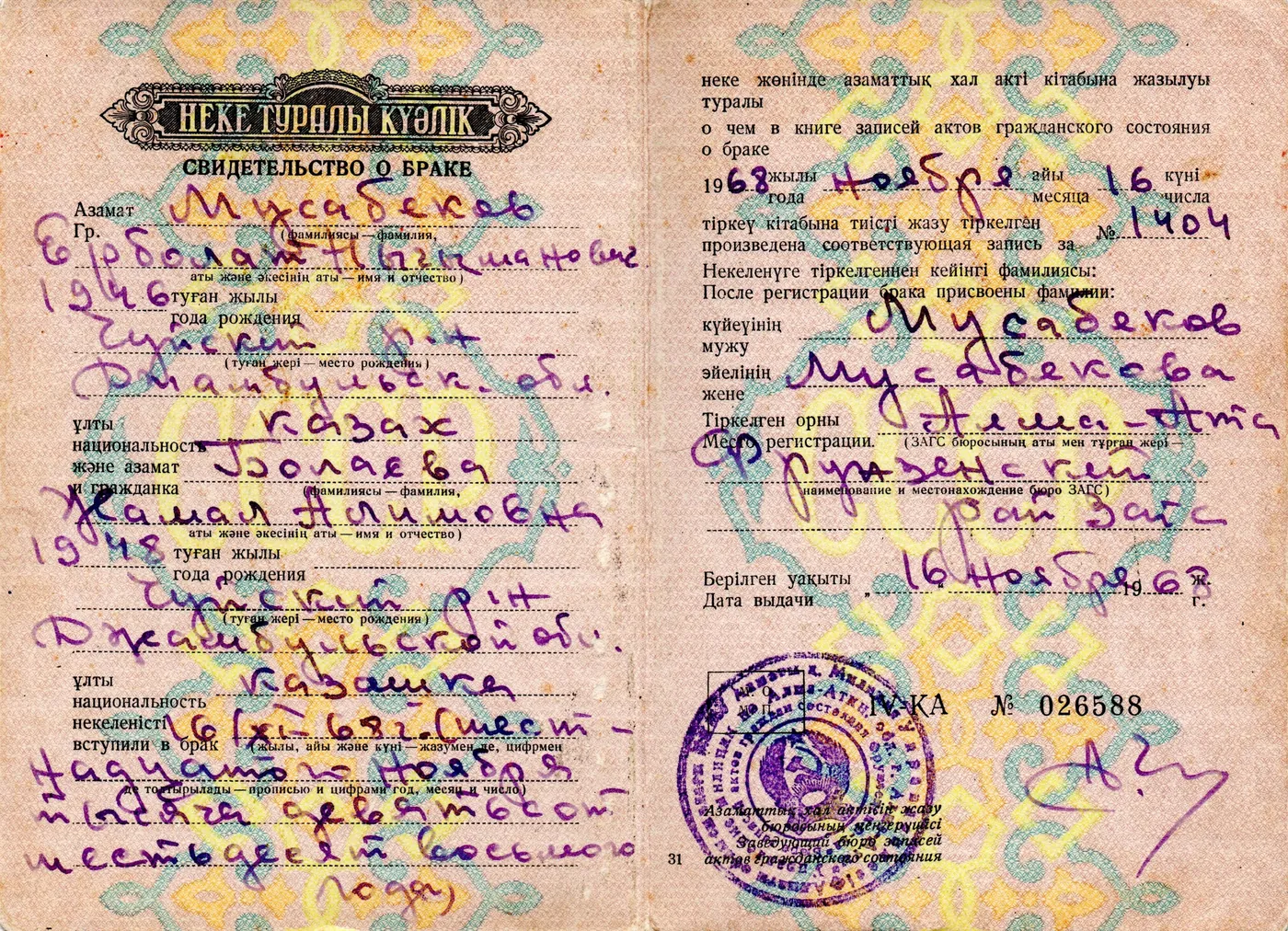
A document’s layout can matter as much as its printed text. A certificate may include stamps, handwritten additions, dates, signatures, or a second side with information. A quote for a translation based only on the front page may not cover all the content the authority expects to see translated.
Before sending files to a translator, make a small document inventory:
- Write down the document’s full name and issuing authority.
- Count the pages and check both sides.
- Note stamps, seals, handwritten entries, and attachments.
- Ask the Ukrainian authority whether it needs related records submitted together.
- Ask whether names in the translation should match a Ukrainian passport or another identity document.
For more detail about handling an apostille as a separate document, see how to decide whether an apostille needs translation. If the document concerns a marriage and submission in Germany rather than Ukraine, the destination’s requirements are different; the guide to translating a marriage certificate for Germany covers that separate route.
Translation routes: consul, translator, or online document tool
You have more than one way to get a Polish document translated into Ukrainian. The main difference isn’t simply price. Each route can produce a different form of translation, and the receiving authority may accept one format but not another.
Polish consular translation
The Polish consular page describes translation by a consul for documents with recurring content. You submit the document to be translated, either in person or by post, and arrange an appointment by phone or email with the relevant consular office. The page says the consul decides whether the document qualifies for this service.
The page listed a fee of 60 EUR for each started page at the time of research; that amount is a consular-service tariff, not a general price for all Polish-to-Ukrainian translations. The same page said the consular action should be completed without unjustified delay and no later than 30 days from the application. Check the current consular service information before relying on the fee or timeframe.
The consular page states: “Opłata za każdą rozpoczętą stronę tłumaczenia wynosi 60 EUR.” Translation: “The fee for each started page of translation is 60 EUR.” (Source)
A started-page tariff means the number of pages counted for the service matters. Ask the consular office how it counts pages for your document and whether attachments or additional sides affect the fee. Don’t treat the amount on the page as a private translator’s price or as a quote for notarization.
Private translator or translation office
A private translator or office may be useful when the document doesn’t fit the consular service, when you need a format the receiving body has specified, or when you want to discuss spelling and document layout directly. Before agreeing to a price, ask what it includes: translation, review, certification, notarial formalities, delivery, and any additional copies.
The word “certified” can mean different things in different settings. Ask the receiving Ukrainian authority what it means by the term and what kind of certification it will accept. A provider’s label for a service doesn’t, by itself, prove that a particular office will accept the result.
For a certified translation arranged through a human translator, see the certified translation service. Check the service scope against the written requirements from the receiving institution, especially if the document is for a court, registry, university, or other public body.
Online document translation
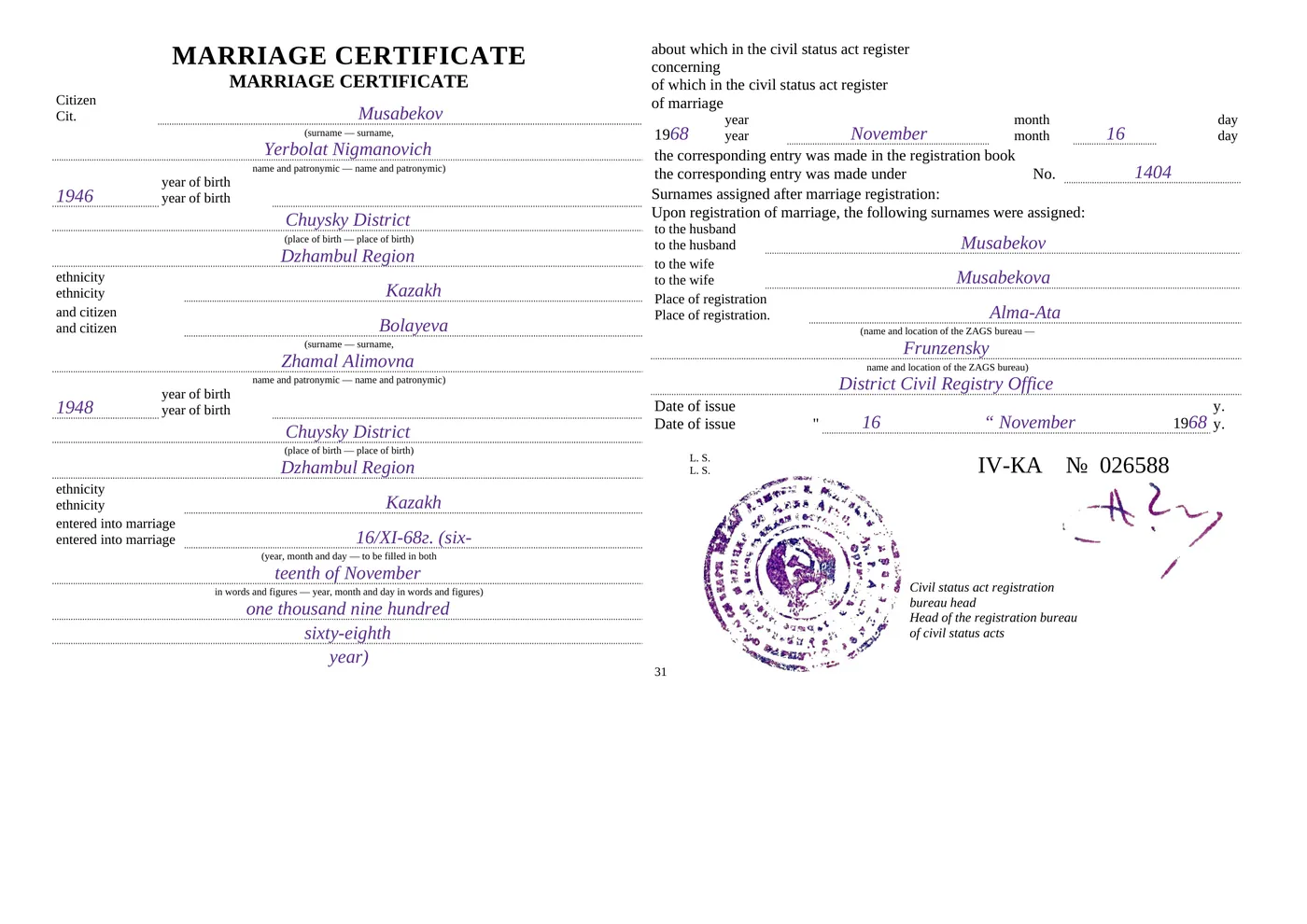
An online document tool can help when you need a readable draft, want to preserve the structure of a file, or need to review the Polish and Ukrainian versions side by side. In ChatsControl, you upload a DOCX or PDF and receive a translated Word file that keeps the document’s layout, including tables, headings, and lists. The review view places the source and translation together so you can check names, dates, and figures against the original.
That workflow doesn’t turn an AI translation into a certified translation. ChatsControl’s document translation is a separate option from its human certified-translation service, and an official submission still needs the format required by the receiving authority. PowerPoint and Excel files aren’t supported, and handwritten or badly degraded scans can be difficult to read reliably.
For an official document, use an online draft as a working copy only if that suits your purpose. If the authority demands certification, arrange the required human review and certification separately rather than assuming a digital translation will be accepted.
Quick comparison
| Route | Can fit when | Check before proceeding |
|---|---|---|
| Polish consul | The document has recurring content and the consul decides it qualifies | Current appointment process, fee, timing, and whether the recipient accepts this format |
| Private translator or office | You need a human translation or a specified certification route | What certification is included and whether the recipient accepts it |
| Online document tool | You need a draft, a layout-preserving file, or a way to compare source and translation | Whether the result needs human review or official certification before submission |
The best choice is the one that matches the destination’s written requirement. A lower translation fee won’t help if the office rejects the form of certification, and an elaborate certification may be unnecessary if the recipient accepts a simpler route.
Apostille and legalization: check before paying
An apostille is a form of authentication for an official document; it doesn’t translate the document or certify the accuracy of its translation. Legalization is a broader term for formal authentication used in some cross-border document processes. Those concepts shouldn’t be confused with the act of translating a document into Ukrainian.
The Polish diplomatic page describes apostilles and their purpose for foreign official documents, but it also notes the treaty-based exception for official Polish and Ukrainian documents. The page refers to the bilateral agreement of 24 May 1993 and says official documents from both countries are recognized without legalization. As a result, a Polish document for use in Ukraine doesn’t automatically need an apostille. Confirm the specific document type and the receiving authority’s instructions using the Polish apostille guidance.
A separate European Union rule can add confusion. The Polish page refers to Regulation 2016/1191, which removes the apostille requirement for certain public documents issued in one EU member state and presented in another EU member state. Ukraine isn’t an EU member state, so that rule isn’t a general rule for Polish documents submitted in Ukraine. Check the destination country before applying an EU rule to a Polish-Ukrainian case.
The Ukrainian Diia service guide describes a different procedure: applying for an apostille on a Ukrainian document. It says an applicant submits the original or a properly certified copy and proof of payment, and shows identification when applying in person. Those are instructions for apostilling Ukrainian documents, not a procedure for apostilling a Polish document. The Diia guide also says that original official documents issued by institutions of former Soviet republics within the USSR aren’t accepted in Ukraine for an apostille.
If you have a Ukrainian document that needs an apostille, don’t apply the Polish-document rules to it. Start with the relevant procedure in the Diia guide and confirm the current requirements there. The document’s country of issue changes which rules and offices are relevant.
A practical checklist for a clean translation
A translation can be linguistically sound and still cause trouble if a page, stamp, or name is missing. Give the translator a complete, legible source and make the requested format explicit.
- Ask the receiving authority what it accepts. Request the answer in writing and ask whether it requires a consular translation, another certified format, or no certification beyond the translation.
- Check whether an apostille is needed. For an official Polish document going to a Ukrainian authority, read the Polish diplomatic guidance and confirm the recipient’s requirement rather than ordering an apostille by default.
- Prepare every page. Scan or photograph both sides, attachments, seals, stamps, handwritten notes, and any page with a signature. Make sure the text is clear enough to read.
- Provide the preferred spelling of names. Tell the translator how names appear in the Ukrainian passport or other identity document that will accompany the submission.
- Agree on the scope and price. Confirm the number of pages, what the price includes, whether certification is separate, and how the final copy will be delivered.
- Review the translation against the source. Check names, dates, document numbers, places, stamps, and handwritten entries. Ask the translator to correct discrepancies before submission.
- Submit the format the authority asked for. Keep the original and translation together if the receiving institution requires both.
A scanned document needs particular care because a stamp in an image isn’t automatically text that a translator can reliably work with. The translator needs the wording on the stamp, not just a picture showing where the stamp appears. That distinction matters if the translation must reproduce all visible content.
On 30 October 2026, I noted how we handle a scanned document: the stamp stays as a picture where it was printed, and a small note in brackets right under it gives the words read from the stamp, like “[Stamp: …]”. A translator needs those words as text because a certified translation has to translate the stamp too, and retyping a round stamp by hand is where words get lost.
The practical lesson is simple: don’t crop out stamps or assume that a visible seal doesn’t need attention. If the text is too faint to read, flag that before the translation is finalized instead of letting an uncertain reading pass as fact. ChatsControl can read scanned pages and build a formatted Word copy, but handwriting and badly degraded scans remain unreliable; a human should check unclear content against the original.
Common pitfalls and how to avoid them
Ordering an apostille before checking the rule
The Polish diplomatic page describes both the purpose of an apostille and the treaty-based recognition of official Polish and Ukrainian documents without legalization. Ordering an apostille before checking the specific document and recipient can add an unnecessary step. Confirm the requirement with the Ukrainian office first, and make sure you’re reading guidance for a Polish document rather than the Ukrainian-document apostille procedure in Diia.
Treating every Polish paper as an official document
The treaty statement on the Polish page concerns official documents. A private agreement, declaration, or letter doesn’t automatically qualify for the same treatment. Ask the receiving authority whether it needs the document’s signature or content authenticated, and whether the translation needs a particular form of certification.
Assuming the consul will translate every document
The Polish consular service described on gov.pl concerns documents with recurring content. Civil-status records, criminal-record certificates, and driving licences are listed as common examples, but the consul decides whether the document you have qualifies. Contact the relevant office before planning around that route or paying for another translation in advance.
Sending an incomplete scan
A missing reverse side, attachment, seal, or handwritten note can leave part of the source untranslated. Send all pages and both sides, even if one side appears blank, and ask how the translator will mark illegible text. Don’t let a guessed reading become an unmarked fact.
Assuming the translation’s label guarantees acceptance
A provider may describe a translation as certified, sworn, or accredited, but the receiving authority sets the format it accepts. Get the recipient’s requirement in writing and share it with the translator before work begins. If you choose the wrong form, you may have to arrange a second translation or certification and submit the paperwork again.
An online translation can reduce manual retyping, especially when the source includes tables or a form layout. ChatsControl keeps document formatting in the translated Word file and provides a side-by-side review, but that doesn’t replace the recipient’s certification requirements. Choose the route based on what the office will accept, not on the name attached to the service.
FAQ
Does a Polish document need an apostille for use in Ukraine?
Not automatically. The Polish diplomatic page says official Polish and Ukrainian documents are recognized in both countries without legalization under the bilateral treaty it cites, but you should confirm the requirement with the Ukrainian authority receiving your document.
How much does it cost to translate a Polish document into Ukrainian?
The Polish consular page listed a fee of 60 EUR for each started page at the time of research. Private translation and certification prices depend on the provider and document; ask for a written quote that separates translation from certification.
Is an ordinary translation of a Polish birth certificate enough?
The receiving Ukrainian authority decides what format it accepts. Ask whether it needs a translation by the Polish consul, a notarized translation, or another form of certification before ordering.
How long does a Polish consular translation take in Ukraine?
The Polish consular page says the action should be completed without unjustified delay and no later than 30 days from the application, according to the page checked during research. Confirm the current process with the relevant consular office.
Which Polish documents can the Polish consul translate?
The consular page describes translations of documents with recurring content, including civil-status records, criminal-record certificates, and driving licences. The consul decides whether a specific document fits that category.
Will a Ukrainian authority accept a translation made online?
Acceptance depends on the receiving authority’s rules and the certification attached to the translation. Get the required format in writing before choosing an online translation or certification route.
Need these documents translated?
Leave your number and we will message you, tell you which certification your institution needs, and name the price. Translation, translator review and notary certification.