A client sends three files on Monday: a recurring product update, a scanned form with boxes, and a contract that needs careful legal review. If the team treats each request as a fresh project, the agency has to repeat the same scoping conversations, staffing decisions, and quality checks. The work may be familiar, but the operating model isn’t repeatable.
Productizing translation services means turning a service into a clearly defined offer that a buyer can understand and a team can deliver through a consistent process. The point isn’t to make every job identical. The point is to make the expected work predictable, then define what happens when a project falls outside the package.
A useful product has boundaries. It says what content it covers, who works on it, what review takes place, what the client must provide, how capacity is handled, and when an exception needs a separate quote. Those boundaries make scaling a translation agency less dependent on one project manager remembering every detail.
What productized translation services are
A productized translation service is a repeatable offer with a defined scope, workflow, quality process, delivery terms, and pricing logic. A buyer can see what they’re choosing, while the agency can plan the work using a consistent set of assumptions.
Traditional quoting often starts from a blank page. A project manager reviews a file, asks about language pairs and deadlines, checks whether the content is technical, decides who should handle it, and builds a custom quote. That may be the right approach for unusual work, but repeating the same discovery process for familiar work adds friction for both the buyer and the delivery team.
Productization doesn’t mean selling translation as if every source word costs the same to process. A short marketing update and a complex regulatory file can have different risk, review, formatting, and terminology needs. A useful package names those differences rather than hiding them behind a single vague label.
The basic unit is a defined service, not a particular price format. A package might cover recurring website updates, human translation with revision, machine translation post-editing, or localization operations for a product team. Each offer needs a clear description of its work and its limits.
A package should answer practical questions before a client signs:
- What content types and language pairs are included?
- Is the work human translation, machine translation post-editing, or another defined process?
- Who checks the work, and what does that check cover?
- What file formats can the team accept and return?
- What volume or capacity assumptions shape the offer?
- What happens when a request exceeds those assumptions?
- What must the client provide, such as reference files, terminology, or access?
- Which tasks are excluded and need separate scoping?
Those answers form the product’s operating specification. If a salesperson describes a different scope from the one a project manager can deliver, the agency hasn’t productized the service. It has created another source of handoff risk.
A useful reference for repeatable human translation processes is ISO 17100:2015. The standard describes requirements for core processes and resources involved in delivering translation services that meet applicable specifications. Use it as a reference for documenting a workflow, not as a claim that a package is certified.
The distinction between workflows matters. ISO 17100:2015 excludes raw machine-translation output plus post-editing from its scope, while ISO 18587:2017 addresses full human post-editing of machine-translation output. Agencies should name the actual service, rather than treating human translation and post-editing as interchangeable labels. Check the standards’ current status and the applicability of any compliance claim before using it in a package description.
How productization works in practice
Productization starts with repeated work, not with a clever name or a new pricing page. Look across past projects and identify the requests that share the same inputs, delivery steps, quality risks, and client decisions.
A recurring service is a strong candidate when the team can describe its normal path without relying on one person’s memory. That doesn’t mean every file is identical. It means the agency knows what information it needs, what checks apply, and where variation requires a new decision.
Map the service as a sequence:
- Request and intake. Record source and target languages, content type, files, reference materials, requested deadline, and intended use.
- Scope and risk check. Decide whether the request fits the package and flag any elements that change effort or review needs.
- Assignment. Match the work to people with the relevant language and subject knowledge, then confirm their capacity.
- Production. Follow the defined translation or post-editing workflow, using the terminology and context supplied for the job.
- Quality checks. Run the checks named in the package and resolve findings before delivery.
- Handoff and feedback. Return the files in the agreed format, record client changes, and capture information that may improve the next cycle.
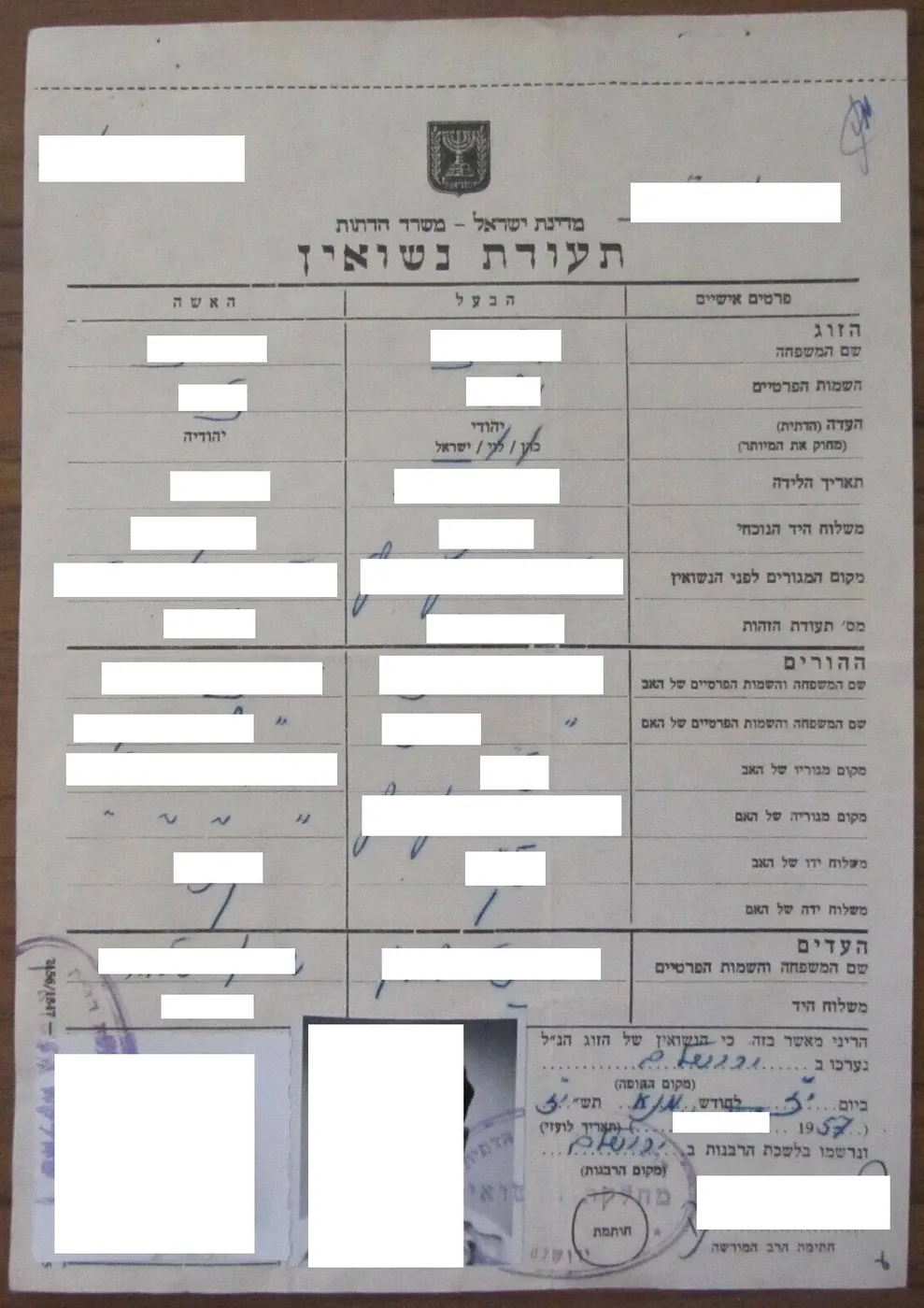
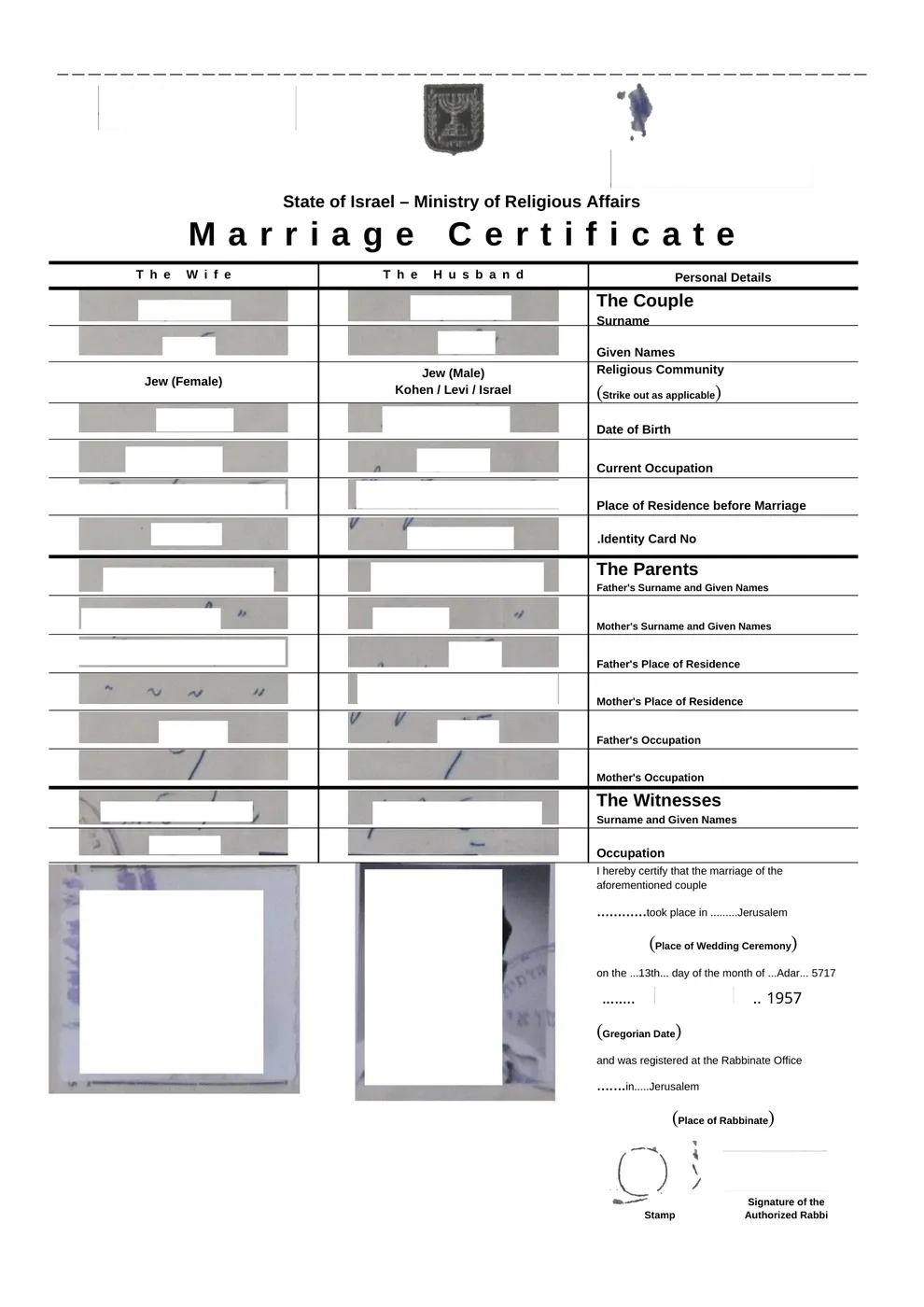
The order looks straightforward until files arrive in formats that don’t carry structure in the way a team expects. A PDF, for instance, doesn’t contain Word-style paragraphs and tables. It places text at coordinates on a page. Pulling out only the words can discard the relationships among labels, cells, and fields that make the document usable.
On November 13, 2026, I worked on a 6-page US insurance claim form full of frames and check boxes. Converted from its text layer, the words came out exact but every frame and box was lost; built from the scan, every frame and box was there. For forms, the layout is half the document, and a translator who has to redraw it loses more time than the translation takes.
That case shows why a package needs to specify how it handles layout-sensitive files. “PDF translation” is too broad if the actual service assumes that editable text is available. A useful scope distinguishes text-based files from scans and forms, and says what happens when the source cannot be processed as expected.
Digital exchange formats can also help agencies avoid making every handoff tool-specific. OASIS describes XLIFF 2.1 as a vocabulary for storing localizable data and carrying it between process steps. The specification says:
“The purpose of this vocabulary is to store localizable data and carry it from one step of the process to the other, while allowing interoperability between and among tools.”
The point for an agency is that a standard exchange format can support handoffs between localization tools. It doesn’t, by itself, create a complete workflow: the team still has to define who reviews the content, how changes return to the source, and what happens to comments or structure.
When a service includes document translation or post-editing, review needs to fit the work. A bilingual view can help a reviewer compare the source and target, but reviewers still need an agreed checklist and the authority to resolve or escalate issues. For example, a check for numbers and names can’t decide whether a changed legal term is acceptable in context.
How it works in ChatsControl: a translator can upload a DOCX or PDF and receive a Word translation with the original layout kept in place, then review the source and translation side by side. That setup can help with the file-structure problem just described, but it isn’t a CAT tool or translation management system, and it doesn’t provide segment-level project management or translation-memory leverage.
Design translation packages around scope and risk
A package should describe a recognizable buyer problem, not just a volume band. “Translation up to a certain word count” leaves too much unsaid. A buyer still needs to know what kind of review is included, whether the content is in scope, and what the team expects from them.
Start by grouping repeated requests into service families. Examples might include regular content updates, human translation and revision, machine translation post-editing, and managed localization operations. Those names describe possible categories, not universal package definitions. Each agency should base its actual offer on the work it can staff and control.
For every package, write a scope card with these elements:
| Scope element | What the package should say |
|---|---|
| Content | The content types the team is prepared to handle and the kinds that need separate review |
| Languages | The language pairs covered, plus how the agency handles a new pair |
| Method | Human translation, post-editing, or another specific production method |
| Quality process | The review roles, checks, and escalation route included |
| Files | Accepted source formats and the form of the delivered files |
| Capacity | The assumptions used to plan work and the process for requests above capacity |
| Client input | Required context, terminology, reference files, and approvals |
| Exclusions | Tasks that need separate scoping, such as complex desktop publishing or unusual source files |
The “method” row deserves special care. A buyer may read “AI translation” as a finished output, a first draft, or a draft that receives full human post-editing. Spell out which one the package offers. The 2024 Slator report on translator use of AI described a survey conducted in April 2024 with more than 750 translators. Two-thirds of respondents had used AI in translation work during the previous 12 months. That result describes translator activity, not buyer adoption or the quality of a particular package.
A service label should also avoid promising a result the workflow can’t guarantee. “Quality checked” doesn’t explain what was checked. A better description names the review stage, the kinds of issues it covers, and the way unresolved findings are handled.
Define the quality process, not just the final review
Quality assurance is easier to scale when it lives inside the workflow rather than appearing as a vague final promise. Identify what the team checks at intake, during production, and before handoff.
An intake check can catch missing context, unreadable files, absent terminology, and a mismatch between the requested deadline and the work’s needs. Production checks can cover terminology, names, numbers, omissions, and adherence to the brief. A final review can focus on the target text and the delivered file, including whether the layout and requested format are intact.
Not every issue belongs in the same quality tier. A basic check might cover formatting and completeness; a specialist review might include a second linguist or a subject-matter reviewer. State the roles and limits directly. Don’t imply that an automated validator replaces a human reviewer unless the package genuinely provides that service and makes its boundaries clear.
The agency also needs an exception route. A file can contain handwritten notes, low-quality scans, embedded images, or content outside the team’s subject expertise. The right response may be to request a cleaner source, revise the quote, change the delivery plan, or decline the work. The package should tell the client how the team handles that decision instead of letting the project manager improvise.
Make the commercial model match demand
A package’s price format and its scope are related, but they’re not the same choice. Per-word pricing can work for individual projects where volume and content are clear. Subscription pricing can suit a buyer with ongoing demand who values a defined service relationship and predictable planning. A recurring plan still needs capacity limits and rules for work above the baseline.
A provider’s advertised subscription offer, checked in September 2025, listed a free 500-word Starter tier and paid monthly tiers of $2,600, $5,200, and $7,800. Those were one provider’s published rates, not a market average or universal benchmark. The same provider described a hybrid MT/AI and human revision or QA workflow at one level, human translation plus revision at another, and custom workflows with managed operations at a higher level. The examples show how a provider can distinguish tiers by process, but the offers may have changed since the September 2025 check.
The same advertised service retained per-word pricing for ad hoc or one-off projects. That exception path is useful: recurring demand and irregular work don’t have to be forced into one commercial model. The agency can package its repeatable core and scope unusual work separately.
A subscription needs a clear baseline. A buyer should understand what capacity the plan covers, what happens when usage rises above it, and whether a larger requirement calls for an extension or a plan change. A package without an overage rule can turn predictable recurring work into a dispute about what the buyer thought was included.
Delivery commitments need the same discipline. Don’t set one fixed turnaround promise for every file. Plan delivery around the content type, volume pattern, review requirements, and business priority. A file that needs specialist review or layout reconstruction doesn’t fit the same assumptions as a routine update merely because both belong to the same language pair.
Pricing should reflect the work the agency can actually estimate. Track effort by file and process step, supplier costs, revision rounds, and any included operational work. Don’t treat a fixed monthly fee as proof that a package is profitable. A package is only sustainable when its boundaries and delivery process keep the expected work aligned with what the price covers.
Build repeatable operations without removing judgment
A repeatable workflow makes capacity easier to discuss because each stage has an owner and an expected input. The goal isn’t to automate every decision. The goal is to stop avoidable variation from consuming the attention the team needs for real exceptions.
Start with a map of the current process. For every step, write down who owns it, what they need to begin, what they produce, and who receives the output. Add the common failure points: incomplete briefs, missing references, unclear approvals, inconsistent file versions, and late scope changes.
Then test the map against actual projects. Ask whether the same intake fields are enough for a technical update and a marketing campaign. Check whether the QA process catches the errors that matter for each service type. If one workflow needs a special branch, document the trigger instead of asking staff to remember an informal rule.
Terminology is one place where that discipline pays off. A glossary should identify preferred terms, forbidden alternatives where relevant, and any context a linguist needs to apply the term correctly. A list without context can create its own problem: the same word may require a different translation depending on audience or subject matter.
Files and handoffs need attention too. OASIS says XLIFF 2.1 is intended to support a single interchange format understood by multilingual content owners and localization providers using conformant tools, with a primary focus on lossless interchange. The XLIFF 2.1 specification is a useful reference when defining integrations, but format support alone doesn’t guarantee that a team’s workflow preserves the context and decisions needed for delivery.
Data handling is part of the package specification when client content includes personal data. The GDPR, Regulation (EU) 2016/679, sets requirements for controller-processor arrangements and security measures where the regulation applies. The European Data Protection Board’s SME data-protection guide describes contract topics that include instructions, confidentiality, security, subprocessors, assistance with data-subject requests, deletion or return of data, compliance information, and audits.
An agency doesn’t need to turn every package page into a legal memo. It does need to know who can access files, whether external processors are involved, what retention rules apply, and how the client can ask for information about processing. Contract terms and practical controls should agree with each other.
Supplier capacity is another operational boundary. A package can define a workflow perfectly and still fail if the agency sells more work than its available linguists and reviewers can handle. Map language pairs and subject areas to the people who can perform and review them, and define what happens when a usual supplier is unavailable. Build staffing decisions from observed workload and team capacity rather than a sales target alone.
Related reading: How to scale a translation agency from solo freelancer to full LSP covers the organizational shift behind growing delivery capacity. Agencies that handle repetitive high-volume work can also compare their process with a high-volume MTPE scaling playbook.
When productization fits - and when it doesn’t
Productization helps when the agency sees repeated work with stable inputs and a delivery process it can describe. That often includes recurring content, repeat client requests, or a service where scope and review requirements can be defined in advance.
Good candidates tend to share several traits:
- The agency has handled similar work more than once.
- The team can identify the usual inputs and missing information.
- The service uses a repeatable production and review sequence.
- Common exceptions can be named and routed.
- Capacity can be planned without relying on a single person’s informal judgment.
A package may also help a buyer compare options. A client can see what changes between human translation and post-editing, or between standard review and a more involved review process. Clear distinctions make it easier to choose the level of service that fits the content’s risk and intended use.
Productization is a weaker fit when every job has a different subject, legal context, format, or stakeholder group. Highly sensitive content may need a bespoke workflow. A one-off project with unusual source files may also require separate scoping. In those cases, a package can still provide a starting point, but it shouldn’t disguise the need for discovery.
Avoid packaging work solely because the agency wants a recurring fee. The service has to match the buyer’s demand pattern and the supplier capacity available to deliver it. A subscription that assumes steady monthly work may frustrate a buyer whose needs arrive in irregular bursts. Per-word pricing or a custom project quote may be clearer for that buyer.
The 2024 European Language Industry Survey collected 1,776 responses: 919 from independent language professionals, 257 from language companies, 78 from language departments and buyers, 170 from training institutions, and 352 from students. The ELIS 2024 report reported that language companies generally described prices as unchanged for 2023, while a small majority of language professionals reported price drops. The survey is useful context for monitoring agency economics; it doesn’t prove that subscriptions raise prices or improve margins.
Productized services shouldn’t be sold as a shortcut to higher rates. The same survey found differences in reported price trends across respondent groups, and the findings don’t establish that one pricing model caused those changes. Agencies should test their own assumptions with a pilot rather than treating a market report as a pricing formula.
Common mistakes when productizing translation
The first mistake is packaging a label rather than a process. “Premium translation” doesn’t tell a buyer what the team does. Describe the work, the review, and the file delivery. If the scope can’t be explained without a call, the package still needs definition.
The second mistake is making one package cover incompatible workflows. Human translation with revision and machine translation post-editing have different production methods and skill requirements. ISO 17100 and ISO 18587 describe distinct scopes, so an agency should name the method rather than combining them under a single ambiguous promise.
The third mistake is pricing a subscription without defining capacity. A monthly fee doesn’t answer how much work the team can accept, how it prioritizes requests, or what happens when demand exceeds the baseline. State the operating boundary before the client has to discover it during a busy period.
The fourth mistake is assuming that “more automation” means less need for review. The 2024 Slator survey reported that more than 30% of translators used AI to generate alternative target-text options; around one in six used it for tone, register, or style changes, and approximately one in six used it for proofreading. The same report said 15% used AI to revise or improve fuzzy matches and 7% used AI for translation quality estimation during the previous 12 months. Those figures describe reported uses, not proof that a specific automation step can replace human review.
Another common failure is leaving the exception path out of the offer. A source file may be damaged, a brief may be incomplete, or a request may arrive in a format the team can’t return as expected. If the package doesn’t say who decides whether the job fits, the project manager inherits an undocumented policy decision every time.
How do you test a package before scaling it?
Run a pilot with real projects that fit the proposed scope. Record time spent at each stage, the number of revision rounds, on-time delivery, supplier costs, and contribution margin. Also record which requests fell outside the package and why.
Use the results to make a decision, not to dress up a sales story. A pilot may show that a package needs a narrower content definition, a different review step, or an exception rate that makes a fixed subscription a poor fit. The dossier contains no validated figure for the cost of a scoping error or missed service-level agreement, so don’t invent a savings estimate or promise a speed multiplier. Measure the agency’s own process.
Keep the first version simple enough that staff can follow it and clients can understand it. If the team needs a long explanation to distinguish two tiers, simplify the tiers or make the difference more concrete. If a package repeatedly triggers the same exception, decide whether that exception belongs in the core scope or should remain a separately quoted service.
One more practical point: the service catalogue should be reviewed when the workflow changes. New tools, file types, client requirements, or supplier arrangements can alter what the package actually includes. A product page that no longer matches delivery creates confusion even if the original package was well designed.
FAQ
What are productized translation services?
Productized translation services are repeatable offers with a defined scope, workflow, quality process, delivery terms, and pricing logic. They help buyers understand what they’re choosing and help the agency deliver familiar work consistently.
How do you productize translation services without losing quality?
Standardize intake, assignment, production, review, and handoff, while preserving human judgment for terminology, context, and exceptions. Pilot the package and monitor revision rounds, on-time delivery, effort, and contribution margin before expanding it.
What should a translation service package include?
A translation package should specify content types, language pairs, production method, review steps, accepted files, delivery expectations, capacity boundaries, client responsibilities, overage handling, and exclusions. The buyer should be able to tell what happens when a request falls outside the stated scope.
Is subscription pricing better than per-word pricing for translation agencies?
Subscription pricing can fit ongoing demand when the service has a clear baseline and capacity boundary. Per-word pricing can remain useful for ad hoc or one-off projects, so the better model depends on the buyer’s work pattern and the agency’s delivery process.
How can a translation agency scale its workflow and capacity?
Map each delivery step, assign an owner, define the information needed to begin, and set a route for exceptions. Use pilot data on effort, revisions, deadlines, and supplier costs to decide whether the team can accept more work without weakening review.