A client asks for “translation, proofreading, and maybe formatting,” then sends three file types, a new deadline, and a reference document after you’ve quoted. The work itself may be familiar, but the offer was too vague to price or deliver consistently.
Productizing translation services means turning a recurring kind of work into a clearly scoped offer: a defined buyer, a recognisable need, named deliverables, a repeatable workflow, and a price based on the work involved. The aim isn’t to make every project identical. It’s to make the common work easier to explain, quote, schedule, and review, while keeping unusual requests outside the package.
The distinction matters. A package can give a client more certainty without pretending that all languages, files, and subject areas take the same effort. A good offer tells the client what they’re buying and tells you when a request needs a custom quote.
What productized translation services are
A productized translation service is a translation offer with a defined scope, deliverable, process, and pricing logic. A client can understand what the service covers before submitting a project, and the translator can decide whether the request fits without rebuilding the offer each time.
A package is not just a bundle of tasks or a catchy name. “Translation plus proofreading” still leaves open the subject area, file format, review depth, terminology work, delivery format, and number of revision rounds. Those details shape the effort and the result. If they stay unstated, the package name won’t prevent scope creep.
Start with the buyer’s problem, not with a list of everything you know how to do. An agency might need a dependable way to translate recurring product updates. A legal team might need contracts translated with consistent terminology and a review process. A direct client might need a particular document prepared for a specific use. Each problem calls for a different scope, workflow, and set of boundaries.
Then define the outcome in plain language. For example, a package might cover translation of a defined type of document into a stated target language, a terminology check against client materials, and delivery in an editable file. That description is more useful than “premium translation” because the buyer can see what is included and compare the offer with the work they actually have.
Why move away from custom quotes for every job?
A custom quote makes sense when the brief, format, or risks are unusual. Rebuilding a quote for every familiar task, though, means repeating the same discovery questions and explaining the same conditions. A productized offer moves those decisions into the service design, so the conversation can focus on whether the project fits.
The commercial case also connects to the difficulties translators report. In the 2023 Inbox Translation Freelance Translator Survey, almost two-thirds of respondents identified low rates of pay as a challenge, and 27% said marketing to ideal clients was a challenge. Those are survey findings, not universal benchmarks, but they point to two problems a well-defined offer can address: costs hidden by a simple word rate, and an offer that doesn’t make its intended buyer obvious (CIOL’s 2023 survey).
“almost 2 out of 3 translators struggle with low rates of pay.”
That summary from CIOL’s account of the 2023 survey isn’t a reason to raise a rate without examining the work. It’s a reason to count the work properly. A quote based only on word count can miss review, file preparation, client questions, and delivery administration.
Productizing doesn’t automatically solve low rates or marketing. It gives you a structure for checking whether the work is properly costed and for describing the service to a specific kind of buyer. The package also gives you something concrete to refine when a prospective client says the scope doesn’t fit.
How to build a translation package in practice
A useful package makes the important decisions visible before a project starts. Build it around the work you can deliver consistently, then describe the steps that protect quality and make exceptions easy to spot.
Choose the buyer and recurring need
Begin with a group of clients you understand and a recurring job they need done. A niche might be defined by industry, document type, buyer, language pair, or a combination. “Translations for businesses” is too broad to explain the intended use. “Technical documentation for software teams” tells a potential buyer more about the work and the expertise involved.
A niche is only useful if you can reach its buyers and deliver the work at a sound price. The 2023 CIOL survey reported that 97% of its highest-earning group specialized, compared with 82% of its lowest-earning group. The finding shows an association within the survey; it doesn’t establish that specialization caused higher earnings or that any particular niche is profitable (CIOL’s 2023 survey).
Use that distinction when making a decision. Don’t choose a niche just because a survey suggests specialists appear in a higher-earning group. Check whether you have the subject knowledge, whether buyers have a repeated need, whether you can find those buyers, and whether the work can be delivered at a price that accounts for all the effort.
Define the deliverable and its boundaries
Write down what the client receives. A useful scope description covers the source and target languages, subject area, file types, delivery format, included review, and what the client must provide. A package might include a translated editable document, one terminology check against client materials, and one defined review round. The details depend on the service, but the client should not have to guess.
Boundaries matter as much as inclusions. Specify whether the package covers layout recreation, editing of the source text, desktop publishing, certification, rush work, or work in files that can’t be edited. If a request falls outside the stated scope, explain how you’ll handle it: decline it, quote it separately, or agree a revised scope before starting.
Set a clear rule for revisions. A revision may cover a correction to a translation decision, but it doesn’t automatically cover new source text or a changed brief. Explain what counts as a correction, what counts as a new request, and how the client can send feedback. A short definition here can prevent a long disagreement later.
Map the workflow before setting the price
List the steps from enquiry to delivery. Include intake, file checks, terminology preparation, translation, review, client questions, final checks, and handover. Record who does each task, what materials they need, and what happens when a dependency is missing. A process that exists only in your head is hard to quote consistently and difficult to hand over.
The difference between word count and real effort shows up in the workflow. Two projects with the same source volume can require different amounts of file preparation, terminology work, client communication, and review. A project with a usable editable file may call for a different process from one that needs extensive layout work or clarification before translation can begin.
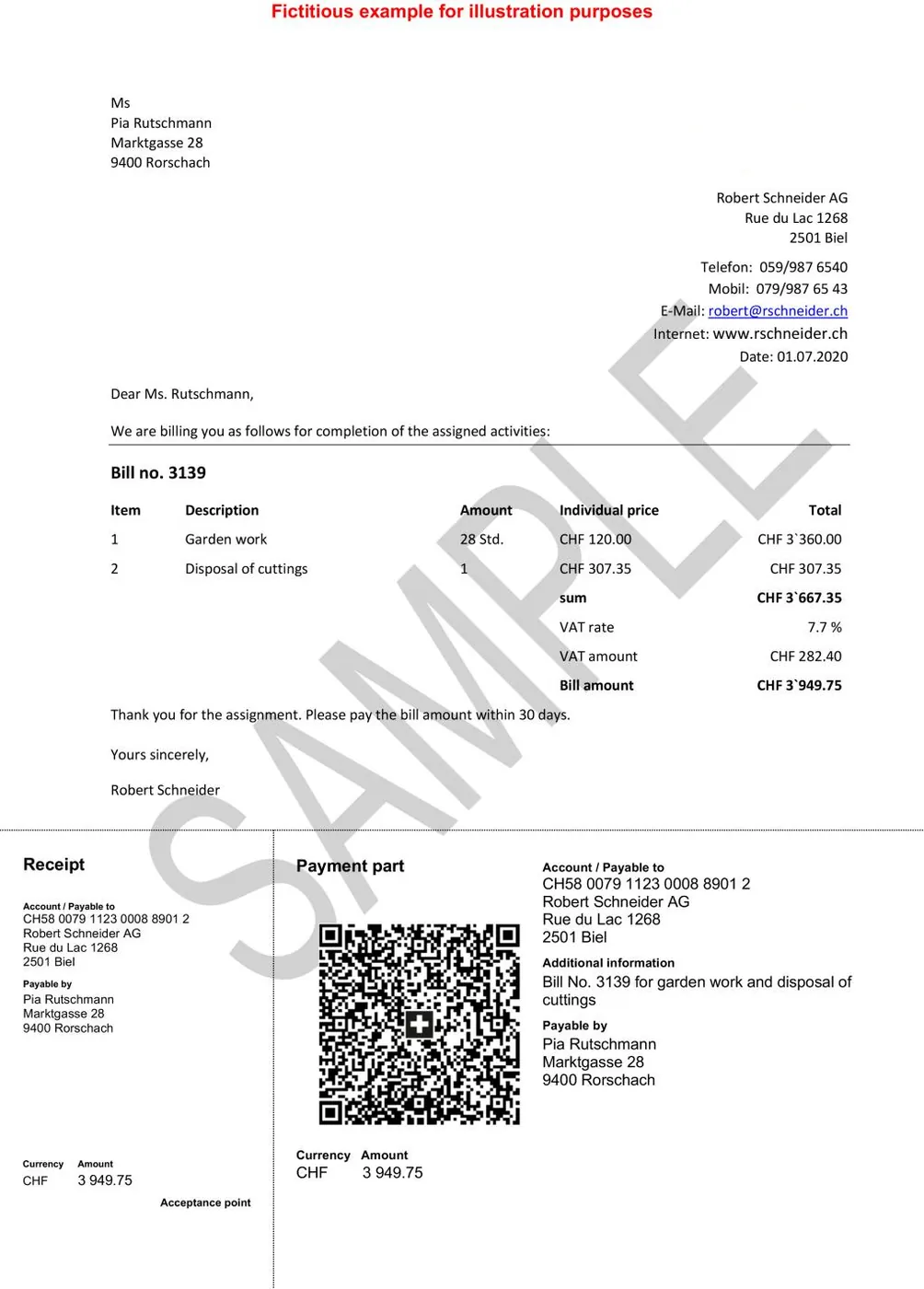
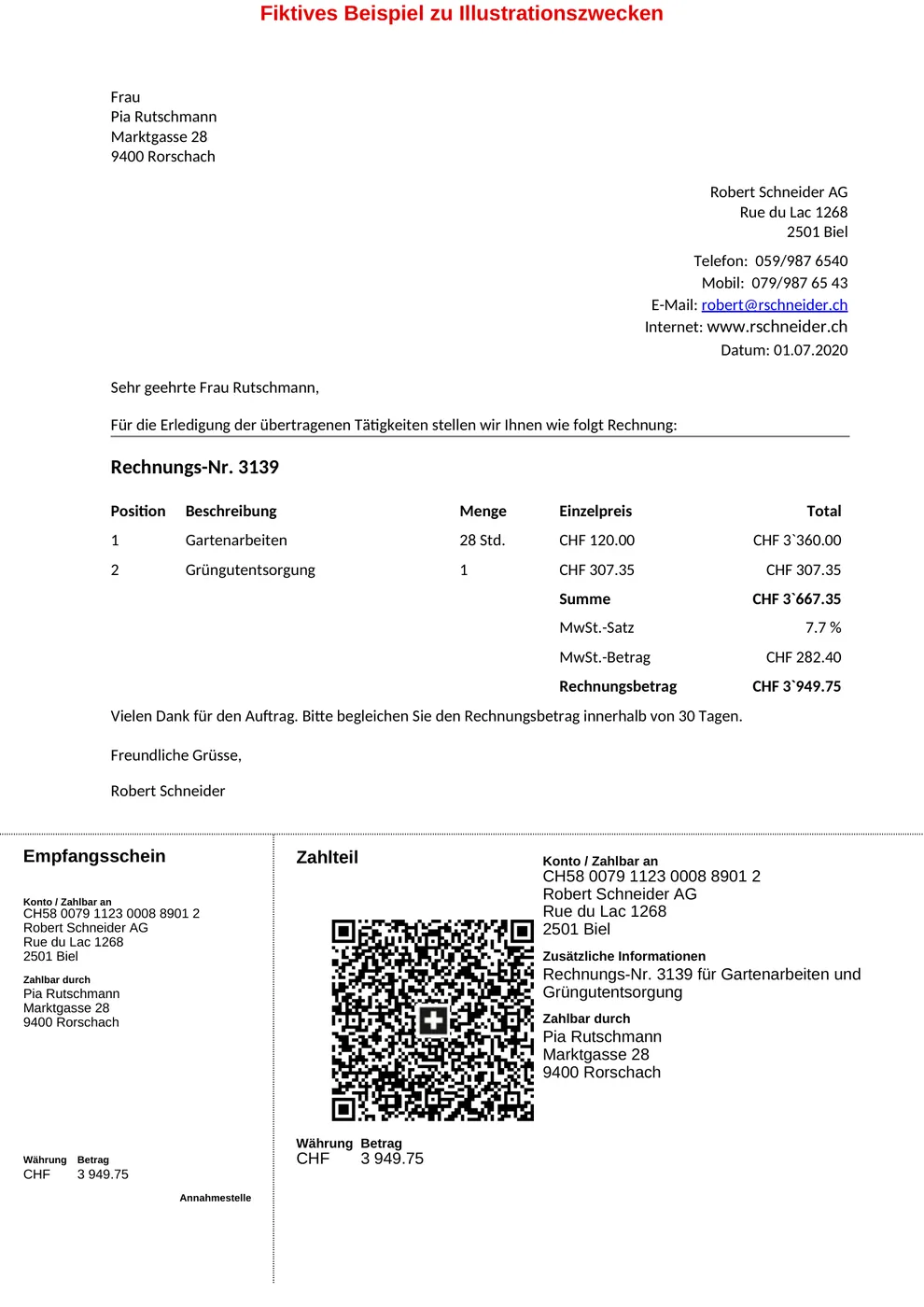
I once handled a 6-page US insurance claim form full of frames and check boxes. Converted from its text layer, the words came out exact but every frame and box was lost; built from the scan, every frame and box was there. For forms, the layout is half the document, and a translator who has to redraw it loses more time than the translation takes.
That case shows why a package must describe the file condition and layout work, not just the number of words. The text can be accurate while the deliverable still fails the client’s need if the form structure disappears. Decide whether layout reconstruction is included, limited, or quoted separately.
Specify tools, review, and terminology
A package should explain how translation memories, terminology lists, and client style guides fit into the workflow. A translation memory is a database of previously translated segments that can help keep repeated content consistent. A CAT tool, or computer-assisted translation tool, helps a translator manage those segments, terminology, and files; it doesn’t decide the right translation by itself.
The 2023 CIOL survey found that 81% of respondents used CAT tools at least some of the time, with 59% using them frequently and 19% never using them. The figures describe the survey respondents, not every translator or client. The practical point is to state whether CAT-tool compatibility, translation-memory handling, and terminology management are part of your offer instead of implying one workflow fits every project (CIOL’s 2023 survey).
The package should also state what kind of review the client receives. Translation, bilingual proofreading, subject-matter review, and independent revision are not interchangeable labels. Describe who reviews the work, what they check, and whether their time is included. If a client supplies a glossary or translation memory, say how you’ll use it and what happens if it conflicts with the brief.
How to price a fixed-scope translation package
A fixed price works when you can describe the work clearly enough to estimate its effort and manage exceptions. The price should reflect the service delivered, not just the visible word count.
Cost the work, not only the words
Start with the production work. Estimate translation, research, terminology preparation, review, formatting, and file checks. Then add the time spent on client communication, project administration, and sales. A package that takes substantial coordination can be unprofitable even when the translation itself is quick.
The survey’s low-rate finding makes this accounting particularly relevant. In 2023, almost two-thirds of CIOL survey respondents identified low rates of pay as a challenge. A word rate that ignores preparation and administration can make a project look profitable while leaving essential work unpaid (CIOL’s 2023 survey).
Next, test the scope against difficult but plausible variations. Ask what happens if the client sends an unreadable file, changes the target audience, adds another language, supplies a terminology list late, or asks for more review. The package price should cover the work you’ve included. The exceptions should have a clear route to a new quote rather than silently consuming extra time.
Choose a pricing unit that matches the service
Per-word pricing is easy to explain when the main work is predictable translation of text. A fixed project fee can be clearer when the client is buying a defined deliverable with a known process. Hourly pricing may suit work that cannot be bounded in advance, such as exploratory editing or a project with uncertain source quality. A minimum fee can account for the setup and administration required even on a short job.
Don’t treat market averages as a formula. An ITI analysis published in July 2024 examined a rates survey conducted in February and March 2023. Its summary says median charges generally rose from general to specialized texts and that direct-client rates were generally higher than agency rates across experience bands. The report also warns about possible sample anomalies and small samples in some cuts, so the figures are context, not a price calculator (ITI’s rates analysis).
The same report examines per-word rates, minimum charges, and per-hour rates, and notes that experience and rates don’t follow a simple linear progression. Build the package price from the actual scope, costs, and target buyer, not from years in the profession or a single market average (ITI’s rates analysis).
A useful internal calculation is:
- Estimate production and review time.
- Add file preparation, administration, and client communication.
- Include any outside costs, such as subcontracted review.
- Check the result against your target revenue and the client’s expected value.
- Define the conditions that require a separate quote.
The calculation doesn’t need to appear on the service page. The scope and price logic should.
Offer tiers only when the differences are real
A tiered offer can help a buyer choose between different levels of service. The tiers should differ in something meaningful, such as review depth, delivery format, terminology work, or support. Three names for nearly identical packages add complexity without helping the client decide.
Keep the boundaries visible. If one tier includes bilingual review and another doesn’t, say so. If a higher tier includes file preparation, spell out what kind of files qualify. If a request needs work that no tier covers, offer a custom quote rather than squeezing it into the nearest label.
A service page can help buyers assess fit before they contact you. The 2023 CIOL survey reported that 64% of its highest-earning group had a website, compared with 22% of its lowest-earning group. That observed difference doesn’t prove that a website raises earnings, but a clear page can make scope, eligibility, process, and pricing logic easier to find (CIOL’s 2023 survey).
When translation retainers make sense
A retainer is a recurring agreement for a defined service or capacity over an agreed billing period. For translation, it can suit a client with a predictable flow of eligible work, but the agreement needs to explain what the client is paying for and how usage is counted.
The billing pattern should match the work. A flat monthly fee suits a defined service level. A usage-based arrangement ties charges to measured consumption. Stripe’s documentation describes both approaches, along with tiered models and usage-based options such as a fixed fee plus overage, pay-as-you-go, and credit burndown (Stripe’s pricing model documentation).
For a translation retainer, define:
- The included volume or capacity and how you measure it.
- The work types, language pairs, and file formats covered.
- How the client submits work and how you confirm the scope.
- Whether unused capacity rolls over or expires.
- What happens when usage exceeds the allowance.
- How you handle urgent work, complex files, and extra review.
- What happens when a client pauses or ends the agreement.
A retainer shouldn’t promise unlimited translation for a fixed fee unless you can manage the possible demand and set clear limits. Unclear usage rules create friction: the client may think unused capacity should carry forward, while the translator may think it expires. Put the rule in the agreement and make the invoice match it.
Put personal data and subcontracting in the agreement
Translation projects can involve personal information in source files, client materials, or end-customer content. If your business processes personal data for a client acting as controller, the processing terms need to be addressed rather than assumed. UK GDPR Article 28(3) says the contract or legal act must specify matters including the subject and duration of processing, its nature and purpose, the data types, the categories of data subjects, and the parties’ rights and obligations. The applicable legal regime can depend on the provider, client, and transaction, so check the relevant law for your situation (UK GDPR Article 28).
Documented instructions matter too. Article 28(3)(a) says a processor must process personal data only on the controller’s documented instructions, subject to the stated legal-requirement exception. An intake form and service agreement can record those instructions, relevant restrictions, and the client’s approved method for sending files (UK GDPR Article 28).
Subcontracting needs the same attention. Under Article 28(2), a processor can’t engage another processor without the controller’s prior specific or general written authorization. If general authorization applies, the processor must inform the controller about intended additions or replacements and allow an opportunity to object. Spell out whether the package uses subcontractors and how client approval works (UK GDPR Article 28).
The agreement should also explain what happens to data when the work ends. Article 28(3)(g) provides for the controller’s choice to have personal data deleted or returned after processing, except where domestic law requires storage. Article 28(9) says the contract must be in writing, including electronic form. Check the current law that applies to your business and client before using a standard agreement (UK GDPR Article 28).
Account for cross-border tax treatment
A package sold across borders needs a clear approach to VAT and invoicing. The European Commission describes the general EU VAT place-of-taxation rule for B2B services as the customer’s establishment under Article 44 of the VAT Directive, and the general B2C rule as the supplier’s establishment under Article 45. Exceptions exist, and transaction type and customer status matter, so verify the rules for the specific sale (European Commission guidance on place of taxation).
State whether quoted prices include VAT and ask whether the buyer is acting as a business or a private consumer. The European Commission notes that VAT and invoicing rules differ between EU countries, so a single price statement may not answer every cross-border situation (European Commission guidance on place of taxation).
When to productize, when to customize, and what can go wrong
Productizing works best for repeatable work with identifiable buyers and manageable variations. It isn’t a reason to force every project into a package. A good system makes the common work easier to handle and makes the exceptions easier to identify.
A fixed package can fit recurring documents, predictable content updates, or a defined review service. A custom quote is a better fit when the source quality, file structure, subject matter, or client requirements make the effort hard to estimate. Keep a route for custom work rather than rejecting it or pretending it fits a standard package.
Keep the package from hiding the real work
One common mistake is to sell a package by word count while leaving out review, file preparation, and communication. The client sees a simple price, but the translator absorbs the tasks that weren’t named. List the steps before setting the price, and make sure the stated fee covers the complete service.
Another mistake is promising a turnaround before checking the inputs. A new file format, missing reference material, unclear terminology, or late client feedback can change the workflow. Explain which client materials you need and what happens if they arrive late or don’t match the brief.
Quality also needs a defined meaning. “Proofread” can refer to different levels of review, and a client may expect a second translator when you mean your own final check. Describe the review method in the offer. If another person reviews the work, say whether that cost is included or separately quoted.
Make exceptions visible before they become disputes
A package needs a rule for work outside its limits. If the client sends a new source file after work begins, asks for another target language, or changes the intended audience, define whether you’ll revise the quote, pause the project, or treat the request as a separate task. Agreeing the change before doing the extra work protects both sides.
Clarity also matters when the service uses machine translation or other automated tools. In the 2023 CIOL survey, 31% of respondents cited increasing machine-translation use as a challenge, compared with 27% in 2020. Those figures show what respondents reported in the survey; they don’t measure the quality of any specific tool. A package should describe the human outcome and say whether post-editing or review is included rather than presenting the service as undifferentiated word replacement (CIOL’s 2023 survey).
“knowing how to market myself to ideal clients”
That phrase was a challenge option selected by 27% of respondents in the 2023 CIOL survey (survey details). A defined niche and package can make the intended buyer and use case easier to describe, but the survey doesn’t show that productization itself solves marketing. You still need to reach the buyers who have that need.
Use document workflow tools only where they fit
File handling can also affect the package’s economics. A text PDF doesn’t contain editable paragraphs and tables in the way a Word file does; its text is positioned on a page. Reconstructing a layout can take time even when the words are clear. A scan adds another step because the text must first be read from an image.
How it works in ChatsControl: a translator uploads a DOCX or PDF and receives a translated Word file with the document’s tables, headings, lists, and layout kept in place. For a scan or photo, the tool reads the page and builds a formatted Word copy before translation. The bilingual review view and built-in checks can support a translator’s review workflow, but ChatsControl is a document-translation tool, not a full CAT tool or TMS: it doesn’t provide translation-memory leverage or team vendor workflows. Handwriting and very degraded scans still need human handling.
A tool like this can matter when layout reconstruction is part of the work you’re trying to estimate. It doesn’t remove the need to inspect the file, review the translation, or set client expectations. Decide whether the client is buying translation only, translation with document handling, or a more extensive layout service.
On 2026-11-09, a sworn court translator-interpreter from Luxembourg who works in German, English, French, Serbian, and Macedonian told me he had tried CAT tools and wasn’t satisfied because he translates himself and “the most time takes rebuilding the layouts.” After trying ChatsControl on his documents, he wrote “I’m amazed.” His review appears on the site under his name, Miroslav Božić.
That feedback points to a specific issue, not a general answer for every translator: layout rebuilding can dominate the work even when the translation itself is familiar. A package that includes document handling should describe which file types and layout work it covers, and should leave room to quote unusual files separately.
FAQ
How do I productize my translation services?
Choose a specific buyer and recurring need, define the deliverable and exclusions, map the workflow, calculate the real production cost, and test the offer with suitable clients. Adjust the scope when you learn which requests fit and which repeatedly require custom work.
What should a translation service package include?
State the language pair, subject area, file types, volume limits, delivery format, included review, revision rules, client responsibilities, and exclusions. Explain how you’ll price work that falls outside those boundaries.
How should I price a fixed-scope translation package?
Calculate production, review, administration, communication, and sales time, then check the result against the scope and target buyer. Use a per-word rate, project fee, hourly rate, or minimum fee only when that pricing unit reflects the work you’re selling.
Can translation services be sold on a monthly retainer?
Yes, if the agreement defines the included volume or capacity, eligible work, usage tracking, unused capacity, and overage fees. Make sure the billing method matches the service and that both sides understand the limits.
How do I choose a profitable translation niche?
Look for a subject or buyer group you can serve well, a recurring need you can reach, and work whose full cost fits the price clients will accept. Survey findings about specialization can help frame a question, but they don’t prove that a particular niche or package will be profitable.