A transcript showing 86 points and a B can prompt an awkward question from an admissions office: does the B mean the same thing at every Ukrainian university? No. The score and letter need to be read through the rules of the institution that issued them, not through a made-up universal conversion chart.
That distinction matters when you translate a diploma or academic transcript for a university abroad. A translation should help the reader understand the record, not silently turn a local result into a different country’s grade.
What ECTS does, and what it doesn’t
ECTS is a system for making study programmes and courses easier to understand and compare, and for supporting recognition of study periods and qualifications across borders. It gives institutions a shared framework for describing learning, but it doesn’t create one universal table that converts every country’s marks into a single European grade. The European Commission describes its purpose on the ECTS overview page.
The name can cause confusion because people use “ECTS” to refer to more than one thing. ECTS credits describe the volume of learning. A grade describes a student’s result under a particular assessment system. A transcript can show both, but the credit and the grade answer different questions.
A credit tells the reader about learning workload and achievement within a programme. A grade tells the reader how the institution evaluated performance in a course. Sumy State University explains that credits are awarded only when a student fulfils the requirements for passing. A student doesn’t earn a credit merely because a particular letter appears beside a course.
“Credits are awarded only if the student fulfils all the requirements necessary for passing.”
Source: Sumy State University
That sentence is useful when reading a transcript because it separates successful completion from a numerical or letter mark. A credit count isn’t a grade conversion tool, and the same grade symbol shouldn’t be assumed to mean the same thing everywhere.
The ECTS Users’ Guide addresses grading scales directly. Section 4.3 says countries and institutions can use different scales, and that application can vary across disciplines and institutions. For meaningful comparison, those differences need to be made clear. The guide’s framework therefore points toward explaining the local scale, rather than assuming that a letter carries an identical meaning across borders.
The 2015 guide also describes statistical grade-distribution tables as a way for institutions to show how their passing grades are actually used in a programme or field. A scale’s written labels tell you what each mark is intended to mean. Distribution information can add context about how results are awarded in practice. The guide says these distribution tables replace the earlier ECTS A-E grading tables in this approach.
That history matters when you see letters A, B, C, D, or E in a Ukrainian record. A local institution may use those letters as part of its own grading scale. Their presence doesn’t make them automatic, universal European equivalents. The safest reading comes from the university’s own scale and accompanying explanation, interpreted in the context of the ECTS guidance.
The European Commission’s ECTS Users’ Guide page links to the guide and sets out this approach. The guide PDF contains the detailed discussion in section 4.3.
How Ukrainian grade conversion works in practice
A Ukrainian grade may appear as a number, a letter, a descriptive label, or several of these together. The exact combination depends on the document and the institution. A translator needs to identify what the source actually records before deciding how to present it in another language.
One university’s table can give a clear example, but it cannot stand in for every Ukrainian institution. Sumy State University publishes a 0-100 scale with these ranges:
| Sumy State University score | Local letter | Description in the university’s example |
|---|---|---|
| 90-100 | A | Excellent |
| 82-89 | B | Very good |
| 74-81 | C | Good |
| 64-73 | D | Satisfactory |
| 60-63 | E | Sufficient |
| 35-59 | FX | Unsatisfactory |
| 0-34 | F | Fail |
These ranges come from Sumy State University’s grading-system page, checked on 25 June 2026. The table is an example from that university, not a Ukrainian national or universal European conversion table.
Notice how a letter is linked to a numerical interval and a description. Translating only “B” may leave a reader guessing. Translating “86 points” as a different country’s letter grade may add information that wasn’t in the source. A careful rendering preserves the original score and letter and makes the issuing institution’s description available.
A useful way to think about an unfamiliar mark is to ask three questions:
- What exact score, letter, or wording appears on the original record?
- Which grading scale did the issuing institution apply to that course?
- Does the institution publish an explanation or distribution that helps an international reader interpret the result?
The first question is answered by the transcript. The second and third need the institution’s rules, diploma supplement, or official supporting information. An online table from a different university can’t answer them reliably.
Ukraine’s Ministry of Education and Science issued guidance on implementing ECTS in 2010. The document said the ECTS Users’ Guide allowed institutions to use any grading scale, and its recommendations described conversion between the national scale, a 100-point scale, and ECTS. The 2010 guidance is useful historical context, but it shouldn’t be presented as a current, single conversion table for every institution. For a specific grade, check the rules of the university that issued it. The 2010 recommendations explain the historical approach.
The older guidance helps explain why several representations may appear in the same academic record. A student’s result might be recorded in a national format, on a 100-point scale, and with a letter. Those are ways of reporting or interpreting performance under a particular framework. They don’t grant a translator permission to choose a different grade based on a general web chart.
What do A, B, C, D, E, FX, and F mean?
Letters don’t carry a fixed meaning just because the alphabet is familiar. A, B, or C on a Ukrainian transcript should be read with the issuing university’s grading key. Sumy State University’s published example labels A as excellent, B as very good, C as good, D as satisfactory, E as sufficient, FX as unsatisfactory, and F as fail. Those definitions belong to the university’s example and shouldn’t be copied onto a record from a different institution without checking its rules.
The same caution applies to FX and F. A reader might expect a standard meaning from another grading system, but the label alone doesn’t establish how a particular Ukrainian university uses it. The score interval, description, and institutional rules should be read together.
The ECTS Users’ Guide’s discussion of grade distributions offers a broader explanation for this variation. If institutions and disciplines award grades differently, the letter alone can’t describe the full context. The reader needs the local scale, and where available, information on how passing grades are distributed in the relevant programme or field. That is why the practical answer to “what is a B?” starts with “which institution awarded it?”
What to include when translating a diploma or transcript
A translation of an academic record should help the receiving reader see what the original says and where the information comes from. Keep the source’s grades intact, then use supporting material to explain the scale. The translator shouldn’t recalculate or replace a mark with a foreign equivalent unless the official record itself makes that equivalence.
A useful document set usually begins with the record containing the grades. That may be a diploma, transcript, academic certificate, or Diploma Supplement. Read the receiving institution’s instructions to learn which documents it wants, then compare that list with the records you have. Don’t assume a diploma alone contains the course-by-course information an admissions office needs.
The Ukrainian Diploma Supplement provides context beyond a single mark. Europass Ukraine says it contains information about grades, ECTS credits, educational components, and the national higher education system. Those details can help a reader understand the qualification and the setting in which the student completed the programme. The Europass Ukraine Diploma Supplement page describes the document and its role.
“The Diploma Supplement is a European-format document provided to graduates together with a higher education diploma.”
Source: Europass Ukraine
The description matters because the supplement isn’t just a place to repeat the diploma title in another language. It connects a qualification to the study programme, educational components, grades, credits, and the national education system. When an overseas reader asks what a mark means, the supplement may carry the context needed to answer.
Europass Ukraine also says the supplement is issued automatically with the diploma in Ukraine. A graduate who needs a copy should contact the institution where they studied. The page was checked on 25 June 2026, so confirm the current process with the institution if you need a replacement or copy.
The Ukrainian recommendations for filling in the European-format Diploma Supplement describe it as a way to present information about a qualification and individual learning outcomes, including grades and credits. They also recommend using official information when an official transcript is available. The recommendations prepared in 2018 reinforce a practical point: an official transcript is a stronger basis for explaining marks than a student’s own conversion.
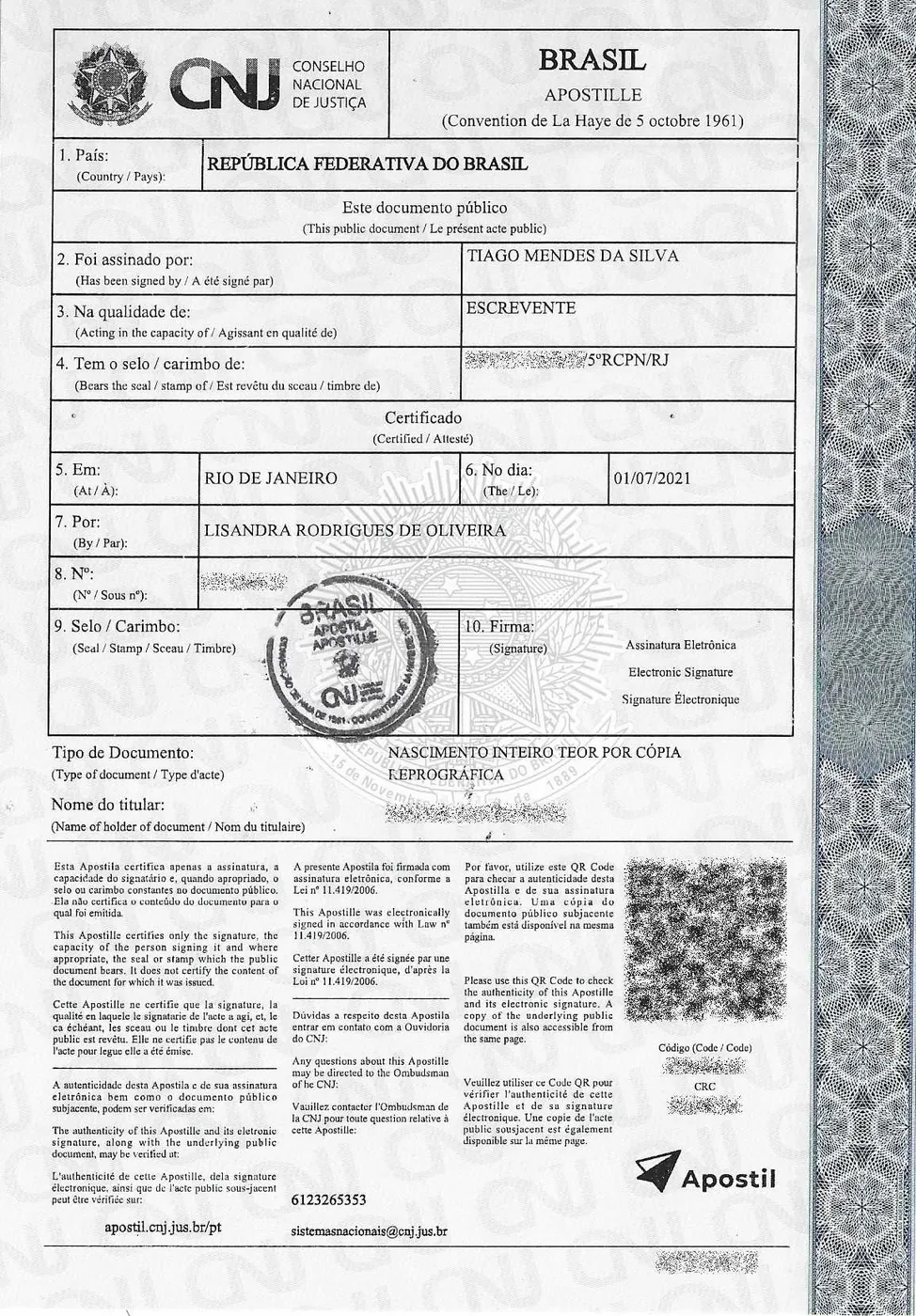
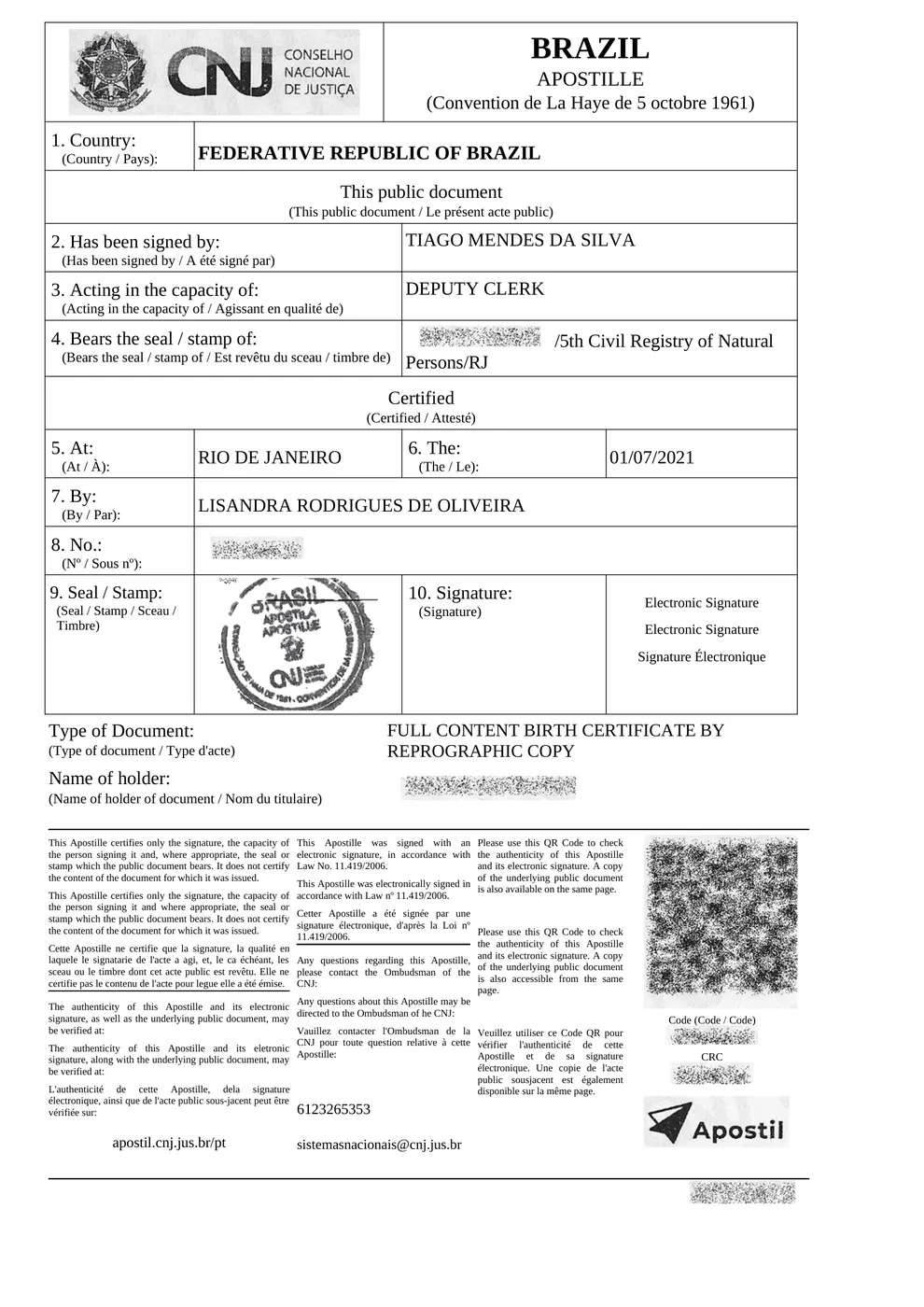
When you prepare records for translation, check that the pages are complete and legible. Make sure each course, mark, credit value, date, and explanatory note is visible. If the university has issued a separate scale description, include it or ask the receiving institution whether it wants that information translated too.
A translation can preserve the structure of a table, but the reader still needs to know what the columns mean. A column headed “ECTS” might contain a local letter, while another column shows points or a national description. The translator should follow the labels and layout on the original rather than infer a conversion from the column name alone.
For document translation, ChatsControl can process a DOCX or PDF and return a translated Word file with tables, headings, and layout retained. That can help keep course names, grade columns, and credit values aligned for review. The tool translates documents; it doesn’t determine which foreign grade a Ukrainian mark should equal, so the local scale still needs to come from the issuing institution.
The academic context is the key. A grade presented with its original score, letter, and scale explanation gives a receiving institution material it can assess. A substituted grade may look tidy, but it hides the basis for the comparison.
When you need a conversion, and when you don’t
People often search for a direct conversion because they need to complete an application form, estimate eligibility, or understand an offer. The right method depends on what the receiving institution asks for.
If an application form requests the original mark, enter the score or grade exactly as shown on the academic record. If the form asks for a converted result, use the receiving institution’s instructions or conversion tool, if it provides one. If the form asks for an explanation, attach the institution’s grading scale or the Diploma Supplement. Don’t replace a source grade with a conversion from an unrelated chart.
A university assessing international applications may want the documents in their original form plus translated copies. Its admissions process determines how it interprets those records. ECTS helps make learning and course information more transparent, but the guide’s recognition framework doesn’t mean a translator can decide the outcome on the receiving institution’s behalf.
A course record and a grade conversion are also different things. Translating “good” into English reports the description in the source. Converting a numerical score into a foreign grade makes a comparison. The first is translation; the second requires a valid conversion method supplied by the relevant institution or authority.
A conversion may be unnecessary when the original record already contains the score, letter, and official explanation. In that situation, a precise translation and the scale context can give the reader more useful information than an added equivalence. A conversion may be needed when an application explicitly requests it, but that request still doesn’t make every online table suitable.
The same principle applies to GPA. A GPA is a different system of expressing academic performance. Don’t assume that an ECTS letter or a Ukrainian 100-point mark can be turned into a GPA by a fixed formula without knowing the rules used by the receiving institution. For a focused explanation of the distinction, see Ukrainian Grades to GPA and ECTS: How to Convert Without Losing Points.
If a receiving institution asks for an official transcript, follow that request rather than sending only a self-prepared table. If the institution asks for grading-scale information, use material issued or confirmed by the university. If its instructions aren’t clear, ask the admissions office what format it accepts before changing any grades.
Common translation mistakes and how to avoid them
The biggest mistake is treating a local letter as a universal European result. A table from one Ukrainian university may be perfectly useful for that university’s students, but it doesn’t establish the rules for another institution. The ECTS Users’ Guide explicitly notes differences between countries, disciplines, and institutions, so the translation should make the issuing scale visible.
A second mistake is replacing the source mark with a foreign equivalent. The replacement can erase important detail: the original score, the institution’s letter, or the meaning of the local label. Preserve what the record says, and present an explanation separately.
A third mistake is confusing credits with grades. Credits describe study volume and achievement requirements; grades record assessment. Sumy State University’s explanation that credits require fulfilment of course requirements shows why a credit count can’t serve as a substitute grade.
A fourth mistake is assuming the word “ECTS” guarantees the same letter convention across documents. The guide’s 2015 approach uses grade-distribution tables in place of the earlier A-E tables. A local A-E scale should therefore be presented as the institution’s scale unless official material establishes something more specific.
A fifth mistake is relying on an unofficial conversion chart when the university has published its own grading rules. The Sumy State University ranges are concrete and useful, but the page identifies them as that university’s grading system. Copying those ranges into a translation of another institution’s transcript would assign an unsupported meaning.
A sixth mistake is translating a mark without checking the surrounding table. A number next to a course could refer to points, credits, hours, or another field. Column headings and the structure of the document supply context. A translation that moves a value into the wrong column can change how a reader understands the record, even when the number itself is copied correctly.
A seventh mistake is omitting the scale explanation because the transcript already includes a letter. The letter may be familiar, but its local meaning might not be. If the issuing university provides a grading key or the Diploma Supplement explains the education system, that information can prevent a reader from assuming an incorrect equivalence.
A final risk is treating a historical recommendation as a present-day universal rule. The Ministry’s 2010 document describes a period and approach in ECTS implementation. It is useful background, not a substitute for the official regulations of the institution that issued the current academic record.
The most reliable workflow is simple: identify the issuing institution, preserve each original grade, find the official scale, translate the explanation, and let the receiving institution handle any conversion it requires. If the university’s published material doesn’t explain a particular mark, ask the institution for clarification rather than guessing.
FAQ
How do you convert Ukrainian grades on a 100-point scale to ECTS?
Use the grading table published by the university that issued the record. Sumy State University maps 90-100 to A, 82-89 to B, and other score ranges to C, D, E, FX, and F in its published example, but that table isn’t a universal conversion rule.
What do A, B, C, D, E, FX, and F mean in a Ukrainian transcript?
The meaning depends on the issuing institution’s scale. Sumy State University’s example uses A for excellent, B for very good, C for good, D for satisfactory, E for sufficient, FX for unsatisfactory, and F for fail. Check the university’s own explanation before applying those labels to another record.
Do all Ukrainian universities convert grades to ECTS the same way?
No. The ECTS Users’ Guide says countries and institutions can use different grading scales, with differences across disciplines too. Use the explanation from the university that issued the transcript.
How should I explain a Ukrainian grade in a translated diploma?
Keep the original score, letter, and wording, then add the issuing institution’s explanation of its scale when available. Don’t substitute a foreign grade unless an official conversion method or the receiving institution’s instructions call for it.
Does a Ukrainian Diploma Supplement include grades and ECTS credits?
Yes. Europass Ukraine says the supplement includes grades, ECTS credits, educational components, and information about Ukraine’s higher education system. The Europass Ukraine page also says the document is issued automatically together with the diploma.
Need these documents translated?
Leave your number and we will message you, tell you which certification your institution needs, and name the price. Translation, translator review and notary certification.