The same words can come back with a different meaning
A questionnaire says “I feel downhearted and blue,” but the target-language version sounds like a description of physical tiredness. A back-translation may bring that wording back as “I feel tired,” giving the review team a reason to investigate before the questionnaire reaches participants.
Back-translation is a quality-checking method in which someone translates a text from its source language into a target language, then another translator translates that target version back into the source language for comparison. The comparison can reveal differences worth reviewing. It can’t, by itself, prove that the target text is accurate or that its readers will understand it as intended.
That distinction matters most when a translated item is meant to measure something consistently across languages. A slightly different phrase can change what a respondent thinks a question is asking. But a phrase that looks close when translated back can still sound unnatural or carry the wrong connotation in the target language.
The method is often discussed in connection with surveys, patient-reported outcome measures, and clinical research. It can also make sense when a team needs a documented comparison against a source text. The right question isn’t “Should every translation be back-translated?” It’s “What risk are we trying to detect, and which review steps can actually detect it?”
This guide explains what back-translation does, how teams use it, where it helps, and what to add when the target audience’s understanding matters.
What back-translation is, and what it compares
A back-translation is a new translation from the target-language version back into the source language. A reviewer compares that returned version with the original, looking for places where the meaning may have shifted. The definition is straightforward; interpreting the comparison takes more care.
Suppose an English item asks whether a person “has trouble joining in community activities.” A translator might choose a target-language phrase that literally refers to joining a group. A back-translator could render that phrase as “participates in group activities.” The two English versions look related, but the team still needs to ask whether “community activities” and “group activities” mean the same thing to the intended respondents.
The comparison is not a direct measurement of the target text. It is a comparison between the source and a second text written in the source language. A reviewer sees the source, the back-translation, and perhaps the target version, then decides whether a difference points to a real issue or simply reflects the fact that languages express ideas differently.
That makes the back-translation a diagnostic signal, not a verdict. A mismatch can highlight a phrase that deserves attention. A match can offer reassurance about some aspects of meaning, but it doesn’t settle questions of grammar, tone, cultural fit, or how respondents interpret the item.
As the PRO Consortium best-practice paper quotes Pan and de la Puente, a high-quality translation should be “reliable, complete, accurate, and culturally appropriate.”
Those qualities go beyond a close match in the source language. The target version also needs to preserve the intended content and make sense to the people who will read and answer it.
Forward translation and back-translation are different steps
Forward translation moves from the source language into the target language. Back-translation moves from the target version back into the source language. A translation team uses the forward version for the audience; reviewers use the back-translation as one way to examine it.
The forward translator needs to make decisions for real readers, not produce a word-for-word copy. A phrase may need a different structure in the target language to sound natural and convey the same concept. Back-translation can help surface a decision that changed the apparent meaning, but it can’t tell the team whether the target phrase sounds natural.
Semantic equivalence means that the target version conveys the same intended meaning. It doesn’t require the same words or sentence structure. Cultural adaptation means considering whether examples, activities, or assumptions make sense for the intended population. A translation can be semantically close and still need adaptation.
Blind back-translation reduces one source of bias
A blind back-translator works without seeing the original source wording or the item definition table. Without that information, the translator is less likely to reproduce the source phrase deliberately or unconsciously. The returned version can then give reviewers a less guided view of what the target text communicates.
The WHO WHODAS 2.0 translation guidelines call for back-translators to be linguists independent of the original translators and blind to the original English terms and phrases. The same guidance describes discussion among translators, back-translators, and subject-field specialists to resolve differences and finalize the translation.
Blindness doesn’t make the back-translation objective or remove the need for judgment. A back-translator still has to choose words, and a reviewer still has to decide which differences matter. Independence improves the conditions for review; it doesn’t turn the method into a mechanical accuracy test.
How the back-translation process works in practice
Back-translation works best as part of a planned review sequence. Teams first need a sound forward translation, then a comparison that helps identify questions for discussion. Translating forward and back without a clear process can produce extra paperwork without resolving the difficult decisions.
The 2018 PRO Consortium process specifies at least two independent forward translations, reconciliation into one version, and at least one back-translation of that reconciled version. The back-translator works blind to the source questionnaire and item definition table. Reviewers evaluate the result for semantic equivalence, consider discrepancies, and revise the reconciled forward translation as needed.
A practical sequence looks like this:
- Prepare the source and purpose. Give translators the source instrument, its intended use, and any information they need to understand the concepts. The team should know what each item is meant to measure, not just what each word means.
- Create independent forward translations. Separate translators produce target-language versions. Independent drafts make it possible to see where a concept has more than one plausible rendering.
- Reconcile the forward versions. Translators and reviewers discuss the differences and agree on one target version. Reconciliation is a decision-making step, not a vote for the most literal wording.
- Back-translate the reconciled version. An independent linguist translates the target version into the source language without seeing the source wording or item definitions.
- Review discrepancies. The team compares the original and back-translated versions, then checks the relevant target-language wording. Reviewers ask whether a difference signals a change in the concept or a normal difference in expression.
- Revise and document. The team updates the target version where the review shows a real problem and records the decisions. The back-translation itself isn’t the final deliverable: the intended audience reads the forward translation.
A discrepancy doesn’t automatically mean that the target wording is wrong. Two translators can express the same idea differently when moving between languages. A useful review asks what changed, why it changed, and whether the target wording preserves the intended concept for its audience.
A clean back-translation doesn’t automatically mean that the target wording is right, either. A phrase can travel back neatly because the back-translator has made sense of awkward target text or because the target version preserves source-language grammar that sounds unnatural to its readers.
The WHO WHODAS guidance also describes a final discussion among translators, back-translators, and subject-field specialists. That discussion matters because the people who understand the domain can help distinguish a meaningful conceptual difference from a wording change that doesn’t affect the instrument.
The 2018 PRO Consortium paper describes back-translation as a way to evaluate semantic equivalence and identify issues, with the reconciled forward translation revised after discrepancies are considered.
The important action is the review and revision, not the act of producing another document. A project that files a back-translation without checking the target wording hasn’t completed the quality step the comparison was meant to support.
What the process can and can’t tell you
A back-translation can help a team notice a possible omission, addition, or change in meaning. It can put a difficult item in front of reviewers in a form that’s easy to compare with the source. It can also create a record of how the team investigated differences.
A back-translation can’t show, on its own, whether a target-language respondent will understand an item in the intended way. It can’t reliably judge whether the wording sounds natural, whether an example makes sense for the audience, or whether a response option has the same practical meaning. Those questions call for other kinds of review.
The 2019 article on translation quality assessment explains a key limitation: errors can be obscured when a back-translator makes sense of poorly written target text. Source-like grammar can also be easy to translate back while remaining unsuitable for target-language readers.
When back-translation is useful
Back-translation can be useful when the team needs to inspect whether a target version has preserved source meaning and can support that review with documented evidence. The method is especially relevant when an instrument’s results need to be compared across language versions.
Questionnaires and patient-reported outcome measures
A patient-reported outcome measure, often shortened to PRO, asks people to report their own health, symptoms, or experience. A small wording change can matter if it alters what respondents are being asked to report. Back-translation gives the team another way to spot possible shifts in the meaning of an item.
The PRO Consortium paper published in 2018 sets out a process for translating patient-reported outcome measures that includes forward translation, reconciliation, and back-translation. The goal is not to make every language version look identical in English. The goal is to identify and address meaningful differences while preserving the intended concept.
Clinical research materials
Clinical-trial materials may include questionnaires, instructions, and response choices. If the language versions are intended to measure the same concepts, reviewers need a process for checking the translated content and documenting decisions.
The FDA PROMIS instrument development and validation attachment describes translation as an iterative process that includes forward and backward translations of items, response choices, and instructions. The PRO Consortium paper notes that the FDA’s PRO guidance emphasizes comparability of content validity and other measurement properties across language versions, and that the FDA reviews translation methodology and documentation. The paper also says the guidance doesn’t specify linguistic-validation requirements for every individual situation.
Those points don’t mean that every clinical research project should use the same procedure. The instrument, intended population, and applicable study requirements shape the work. Back-translation can form part of the process, but it isn’t a substitute for a project-specific plan.
Surveys that need comparable answers across languages
Survey teams may need to compare responses across language groups. A translation that changes what a question asks can affect whether the answers can be interpreted together. Back-translation may help reviewers spot an issue, especially when used alongside independent translations and review by people who understand the subject.
The 2023 Survey Practice article describes a high-quality translation as one that conveys intended meaning without adding or excluding information, uses correct grammar, and reflects cultural and normative equivalence for the intended population. Back-translation can contribute to checking meaning, but it doesn’t cover every one of those qualities.
The same article describes translated surveys as a way to support participation by people with limited English proficiency. Its authors note that translation may reduce nonresponse and nonresponse bias depending on the size and characteristics of non-English-speaking groups. That outcome depends on context; a translation step alone doesn’t guarantee participation or remove nonresponse bias.
Projects that need a traceable review
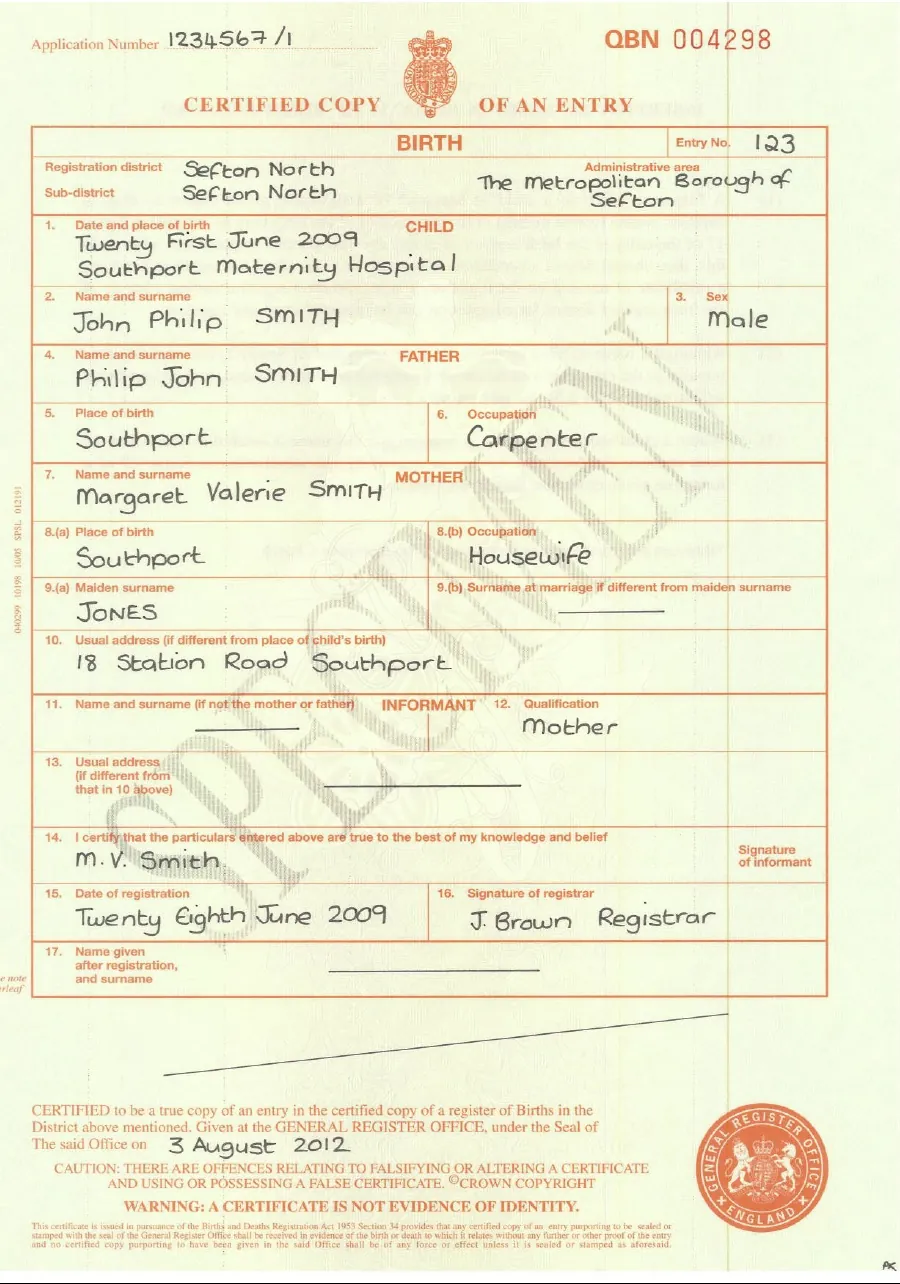
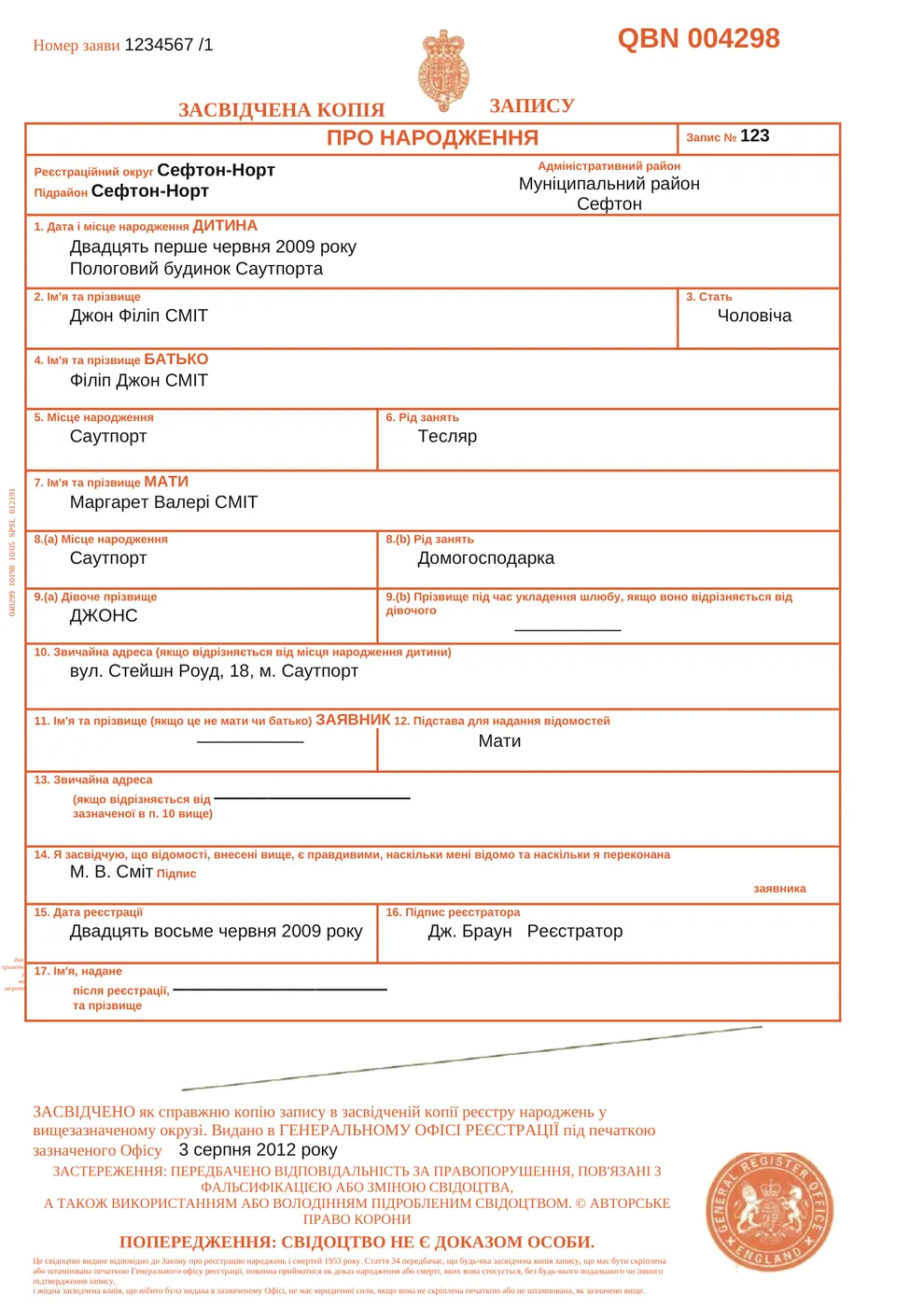
Back-translation can also help teams record how they investigated a translation choice. The comparison can make it easier to document the source wording, the target version, the returned wording, and the reasoning behind a revision.
Documentation is useful only when it records decisions rather than simply listing files. A reviewer should be able to see which discrepancies the team considered meaningful, what it changed, and why the final wording serves the intended audience.
When a reviewer needs to investigate, not just approve
A back-translation is most useful when it gives the review team a specific question to investigate. A difference can prompt the team to check for a missing concept, an altered time frame, a changed level of intensity, or wording that adds information. The comparison is the beginning of that investigation, not its conclusion.
Teams should also consider whether the issue is linguistic or conceptual. A phrase may differ because the target language uses a different construction, while a response option may differ because the concept doesn’t map neatly to the audience’s experience. The first may need no change; the second may call for a closer review of the instrument.
When back-translation isn’t enough, and what to add
Back-translation is a limited view of translation quality. Teams need other checks when they want to know whether the target version is understandable, natural, and suitable for the people who will use it.
Cognitive pretesting checks what respondents understand
Cognitive pretesting asks members of the intended audience how they understand a questionnaire item and how they arrive at an answer. A team can use those responses to find wording that seems clear to translators but causes confusion for respondents.
A back-translation can’t replace that step because the back-translator isn’t answering the item as a member of the target population. The 2023 Survey Practice article identifies cognitive pretesting as one component of survey translation practice and notes that back-translation alone doesn’t test how target-language respondents understand items.
A back-translation might reveal that a phrase has changed meaning on its return to the source language. Cognitive pretesting can reveal that respondents interpret the target phrase in an unintended way even when the back-translation looks close. Those are different checks, and they answer different questions.
Expert review checks subject matter and cultural fit
Linguists can assess wording, grammar, and meaning. Subject-field specialists can help the team check whether the translated terms preserve the relevant health or research concepts. Reviewers familiar with the intended population can consider whether examples, assumptions, and response options make sense for that group.
The WHO WHODAS guidelines specify that a forward translator should have excellent command of both languages, with the target language as their mother tongue, and familiarity with health and disability concepts. The guidance also calls for discussion among translators, back-translators, and subject-field specialists.
A back-translation reviewer shouldn’t have to decide a specialist question from a word comparison alone. If a difference concerns a clinical concept or the way an item measures a construct, the team needs someone who can assess that concept, not just the returned wording.
A team process can put review in context
The TRAPD approach stands for Translation, Review, Adjudication, Pretesting, and Documentation. It uses a team to translate and review, makes a decision about disputed wording, tests the translation, and records the decisions.
The 2023 Survey Practice article describes TRAPD as involving at least two independent translations, comparison by translators and reviewers, adjudication against the source, and pretesting. The authors describe it as resource- and time-intensive, and characterize it as an approach recommended for high-resource projects.
The Survey Practice article published in 2023 says, “The TRAPD approach is resource- and time-intensive.”
That trade-off matters when a team chooses a process. More review steps take more coordination, but the choice shouldn’t be reduced to adding back-translation by default. The team needs to identify its quality risks and decide which steps address them.
The European Health Interview Survey wave 3 methodological manual, published in 2020, describes an initial translation by a translator experienced in health or social statistics, an independent review, and agreement between the checker and translator. The manual calls for a third expert to adjudicate disagreements. Its described protocol doesn’t list back-translation as a required step.
Different processes can therefore make different choices about back-translation. The absence of that step in a particular protocol doesn’t mean that it has no use; it shows why teams should follow the requirements and purpose of their own project rather than assume that one method fits all.
Limits, common mistakes, and practical alternatives
Back-translation can become a box-ticking exercise when teams treat a matching result as approval. The comparison is only useful if reviewers know what to inspect and have a route for resolving differences.
Mistaking similarity for proof
A close match between the source and back-translation doesn’t establish that the target text reads naturally or expresses the intended meaning to its readers. The back-translator may have repaired awkward wording mentally, or a target phrase may preserve a source-like structure that’s unnatural in the target language.
A 2019 discussion of back-translation’s limitations explains how those problems can hide in the comparison. Review the target version itself, not just the English source and returned text. Ask a target-language reviewer whether the item sounds clear and appropriate.
Treating every difference as an error
Languages don’t map phrase by phrase. A back-translator may choose different wording without changing the idea, and reviewers can waste time trying to force an artificial match with the source.
The PRO Consortium process treats the comparison as a way to identify issues and evaluate semantic equivalence, then revise the forward translation after considering discrepancies. That wording points to judgment, not automatic correction. Teams should record why a difference matters before changing the target version.
Letting the source dictate unnatural target language
A target-language version can be too close to the source in grammar or phrasing. Literal wording may travel neatly back into the source language while sounding stilted or unclear to the audience. In that case, chasing a closer back-translation can make the target text worse.
The intended target-language reader remains central. Reviewers should ask whether the translation communicates the concept clearly in that language, not whether the target wording can be pushed back into a sentence that resembles the original.
Asking one reviewer to catch every kind of problem
A linguist, a clinician, a survey methodologist, and a respondent can notice different problems. A language comparison doesn’t tell a team whether an item is clinically appropriate or whether a respondent understands a question as intended.
The 2017 study of back-translation documentation examined documentation from the European Quality of Life Survey in 2012. The published study reported inconsistency in which presumed flaws different people detected when reviewing the same back-translation comparison. The finding is a warning against assuming that a comparison will produce the same diagnosis for every reviewer.
The same study compared back-translation outcomes with native-speaker checks of the actual target translation and asked whether back-translation works reliably as a quality-testing method. The study paper is useful context for a team deciding what evidence it wants from a review. Different reviewers may notice different issues, so a project should define its criteria and record its decisions.
Treating a translation method as a universal rule
Published guidance doesn’t describe one process as mandatory for every instrument and project. The ISPOR Task Force report from 2005-measures) set out to synthesize methods for translating and culturally adapting patient-reported outcome measures, while appraising methodological strengths and weaknesses. Its abstract noted “a general lack of consistency in current methods and published guidelines.”
A team should start with the applicable study or instrument requirements, then define what needs to be checked. The 2018 PRO Consortium paper discusses an updated process for PRO measures; the 2020 EHIS manual describes a protocol based on translation, independent review, and adjudication. Neither example removes the need to follow the relevant project’s own requirements.
Choosing other checks when the real question is audience understanding
Back-translation is a poor stand-in for direct feedback from target-language readers. If the central concern is whether respondents understand a question, cognitive pretesting addresses that concern more directly. If the concern is a specialist concept, subject-field review is more direct. If several wordings are plausible, reconciliation and adjudication make the decision visible.
For teams translating and reviewing ordinary document drafts, a side-by-side view can help reviewers compare the source and target text without treating the back-translation as a verdict. In ChatsControl, you can upload a DOCX or PDF and review the source beside the translated text, with the translated text highlighted and the original available on hover; the ChatsControl translator is a document-translation tool, not a linguistic-validation process, so it doesn’t replace independent expert review or cognitive pretesting.
A tool that shows two versions can help with a different task from a back-translation. The reviewer is checking the actual source and target text, while back-translation adds a third version that can help flag possible meaning changes. Each view has limits, and neither alone establishes that respondents will interpret an item as intended.
A practical decision checklist can keep the discussion focused:
- Name the risk. Is the team checking for meaning shifts, natural wording, subject-matter accuracy, cultural fit, or respondent understanding?
- Choose the reviewer for that risk. A blind back-translator can help with comparison; a subject-field specialist can assess a domain concept; target-language respondents can reveal how items are understood.
- Decide how differences will be handled. Specify who reviews them, who resolves disagreements, and how the final wording is approved.
- Keep a record of decisions. Note which differences led to revisions and why other differences were accepted.
- Check the target text directly. Don’t sign off on a translation solely because its back-translation resembles the source.
Back-translation is worth adding when a team has a clear reason to compare meanings and a review process that can act on what the comparison reveals. When the main uncertainty concerns naturalness, cultural suitability, or reader comprehension, pair it with methods that examine the target text and the people who will use it.
FAQ
What is back-translation in translation?
Back-translation means translating a target-language text back into its source language and comparing that result with the original. The comparison can flag possible meaning differences, but it doesn’t certify the target version as accurate or natural.
How does the back-translation process work?
A translator first translates the source into the target language. A separate translator, ideally blind to the source, translates the target version back; reviewers compare the two source-language texts and investigate differences in the target version.
When is back-translation useful for questionnaires or clinical trials?
Back-translation can help identify possible meaning changes in patient-reported outcome measures, questionnaires, and clinical-trial materials. It works best as one part of a documented translation and review process, rather than as the only quality check.
Does back-translation prove that a translation is accurate?
No. A close back-translation is a useful signal, not proof. The target text may still be unnatural, incorrect, culturally unsuitable, or misunderstood by its readers.
What should be used instead of back-translation alone?
Use independent forward translations, reconciliation, expert review, and cognitive pretesting with people from the intended audience. The right combination depends on the instrument, its purpose, and the requirements that apply to the project.