A big file doesn’t automatically mean a big discount
A hundred pages can bring a discount, but the percentage on the quote won’t tell you whether the job is cheaper overall. The count may use a different definition of a page, repeated passages may be billed under a separate CAT scale, and rush or specialist-work charges can push the total back up.
There’s no single industry-wide threshold for a “large” order. Published examples include an offer that starts at 5 pages and another price list that promises a 3-5% discount from 100 pages. Those are different commercial offers, not a shared rule. A provider may also offer a discount for a particular service, text type, or language pair without applying the same deal to every job.
The useful question isn’t only “What discount do you give?” Ask what the provider counts, which parts of the file qualify, what rate applies to repeated material, and what the final amount includes. If the quote lists only a percentage, you don’t yet have enough information to compare it with another offer.
Translation pricing is often based on a standard page, but the unit itself isn’t universal. The European Union’s Translation Centre defines a standard page as 1,500 characters without spaces in its February 2025 procurement terms. Published Ukrainian offers also use 1,800 characters, with one example specifying a count that includes spaces. The units aren’t directly interchangeable, so check the counting method before comparing the price per page in different page definitions.
A quote can therefore look lower simply because its page contains a different number of characters or uses another rule for spaces and rounding. Start with the text count and the unit definition, not the discount headline. For a practical way to estimate the source text before requesting a quote, see how to count a document’s translation volume.
There are two separate kinds of savings worth asking about:
- Volume discount: a provider reduces the rate or total because the order reaches a stated size or meets a commercial condition.
- CAT or Translation Memory discount: a provider applies a different rate to repeated or previously translated text found through analysis.
A provider might offer one, both, or neither. A large order with little repetition may qualify for a volume discount but show few CAT matches. A smaller file assembled from previously translated material may have useful matches without reaching a page-based discount threshold.
The rest of the quote still matters. Ask whether the price includes translation only or also editing, checking, formatting, and delivery in a requested file type. A discount on one line doesn’t necessarily reduce the charges listed elsewhere.
What a translation volume discount actually covers
A volume discount is a change to the price offered for an order that meets specific conditions. It might apply once the source text reaches a stated threshold, when several files are ordered together, or when the customer commits to a particular schedule. The wording matters: “discount from 100 pages” tells you more than “discounts available for large projects,” but you still need the percentage and the calculation basis.
A provider can calculate the discount against the translation fee alone or against a broader total. The written quote should say what amount is discounted. If the translation rate is reduced but separate charges remain unchanged, the headline percentage won’t describe the savings on the final bill.
A simple comparison helps. Imagine two quotes for the same files:
| Item to check | Quote A | Quote B |
|---|---|---|
| Counting unit | Characters with spaces | Characters without spaces |
| Price basis | Translation rate per standard page | Project total |
| Volume threshold | Stated in writing | Described only as “large volume” |
| Repeated text | CAT analysis supplied | No match breakdown |
| Extra charges | Listed separately | Not explained |
| Final amount | Total after all items | Discount percentage only |
The table is a checklist, not a claim that one pricing method always costs less. The same source text can produce different apparent page counts under different counting rules. Without the final total and the unit definition, the comparison is incomplete.
A discount may also depend on how the work is organized. Several files delivered together can be priced differently from unrelated orders placed weeks apart. A long document delivered in stages may or may not count as one project. A quote should specify which files and deliveries make up the qualifying volume, and whether later additions change the rate.
Which page count should I use?
Use the provider’s stated unit for the quote, then ask for the underlying character count so you can compare offers. A page is a billing convention, not necessarily one physical page in Word or PDF. A text-heavy page and a sparse form can occupy the same sheet while containing very different amounts of text.
The difference between characters with spaces and characters without spaces is particularly easy to miss. In the February 2025 terms of the European Union’s Translation Centre, a standard page is 1,500 characters without spaces. Those terms also describe a minimum payable volume of 750 characters for a particular service and rounding in 150-character increments. The example shows why a quote needs to state both its unit and its rounding rule, not just a price per page. The procurement terms are an institutional example, not a required rule for private providers.
A minimum charge can affect a small order even if the provider offers a per-character rate. Rounding can affect the bill too, especially when several short files are counted separately instead of as one combined order. Ask whether the provider aggregates files before rounding, or rounds each file on its own.
For a large order, ask for the count before the discount is applied. A clear quote might show the source count, the unit, the rate per unit, the discount basis, and the final total. If the provider gives only the number of physical pages, ask how that count was converted into billable pages.
When volume discounts start, and why the threshold varies
A public threshold is a provider’s offer, not a guarantee that every large job qualifies for the same percentage. Available examples show how far the terms can differ. One published offer starts a discount at 5 pages but doesn’t state the exact percentage on the page. Another published price list states a 3-5% discount from 100 pages. The contrast is enough to show that “large volume” has no common page threshold.
A threshold may be linked to the service type. An offer that applies to marketing translation may not cover a personal document, a legal text, or editing of a completed translation. A provider may also apply different base rates to different language pairs, which changes the cash value of the same percentage discount. Ask for the rate for your specific combination and service before doing the arithmetic.
A discount can also have a minimum project value or require a single order rather than multiple separate requests. Those conditions need to be explicit. If you’re sending files in stages, ask whether the provider will hold the quoted rate for all stages and what happens if the total changes.
Does 5 or 10 pages count as a large order?
It can count for one specific offer, but it doesn’t establish a general market rule. A published offer starting at 5 pages shows that a provider may choose a relatively low threshold for a particular service. The offer doesn’t tell you that every provider will discount a 5-page file, or that the discount will apply to a different kind of text.
A 10-page order can likewise fall below one provider’s threshold and above another’s. The answer depends on the counting unit, language pair, subject, and terms of the offer. Ask whether “page” means a standard character count or a physical sheet, and whether the threshold applies to the source or translated text.
Does a 100-page order always get a discount?
No. A published price list’s 3-5% offer from 100 pages is one provider’s stated term, not a universal entitlement. Another provider may set a different threshold, offer no page-count discount, or price repeated segments separately instead.
A long file can also contain unusual formatting, technical content, or a tight delivery schedule. Those factors may add work that isn’t removed by a volume discount. Ask the provider to state the discount and every additional charge in the same quote, then compare the final total against an offer without a discount.
No percentage is useful without a baseline. If two providers start from different per-page rates, applying the same percentage won’t produce the same total. The quote should identify the rate before the discount and the amount after it.
Repeated text, CAT analysis, and Translation Memory
A Translation Memory is a database of earlier source-and-translation segments that a CAT tool can compare with a new file. CAT stands for computer-assisted translation: software helps a human translator reuse and manage text, rather than replacing the translator’s review. When a CAT analysis finds the same or similar segments, the provider can assign them to different match categories and price them under a stated scale.
A full match means a segment matches stored material exactly under the tool’s rules. A fuzzy match is similar but not identical. Repetitions are identical or repeated segments within the current project, depending on the analysis rules. A match doesn’t automatically mean that the translation is correct for the current context, or that no one needs to check it.
The discount comes from the provider’s pricing model, not from a universal CAT rule. A client’s existing file can also fail to produce useful matches if it isn’t available in an editable format, if the source has changed, or if the provider doesn’t have a suitable Translation Memory. Ask whether the analysis uses a memory supplied by you, the provider’s own resources, or repetitions detected within the current files. The answer affects what material can be counted.
The February 2025 procurement terms of the European Union’s Translation Centre provide one formal example. That scale prices full matches and repetitions at 20% of the base volume, fuzzy matches from 85% to 99% at 50%, and matches from 75% to 84% at 100%. Those are terms for a specific institutional service, not an off-the-shelf discount you can assume a private provider will apply. The February 2025 terms spell out the categories and percentages.
In the Translation Centre’s February 2025 terms: “Full matches and repetitions: 20%.” Read the procurement conditions.
The 20% figure is a billing weight in that institutional scale, not a promise of a 20% reduction to the total invoice. The distinction matters: if full matches make up only part of a file, the project total depends on how much text falls into each category and what review or other charges apply.
The same February 2025 terms state: “Fuzzy matches (85-99%): 50%.” Read the procurement conditions.
A fuzzy-match percentage also isn’t the share of the invoice saved. It is the percentage of the base volume used for that match category in this particular scale. A quote needs the segment counts and the base rate to show the result in money.
Another institutional example shows why no single scale should be treated as the standard. The European Patent Office’s 2025 technical conditions price new segments and matches up to 95% at the full rate, matches from 95% to 99% at 40%, and 100% matches, context matches, and repetitions within a project at 25%. The EPO’s 2025 technical conditions use different categories and percentages from the Translation Centre’s terms.
Those differences don’t establish what a private customer should pay. They do establish what to ask for: the match categories, the count in each category, the rate applied, and whether the discount affects the translation charge only. Don’t accept “we use CAT, so it’s cheaper” as the calculation. Ask for the analysis or a readable breakdown.
What should I ask to see in a CAT analysis?
Request a file or table that separates new text, repetitions, full matches, and each fuzzy-match range used in the quote. Then ask for the percentage or billing weight attached to each category and the base rate it uses. If the provider has a different set of categories, ask them to define those terms in plain language.
The analysis should also explain what happens to matches that require checking. The Translation Centre’s February 2025 terms require CAT- or machine-processed segments to be checked, including locked segments, regardless of their status and origin. The EPO’s 2025 technical conditions also say translators must check Translation Memory matches, including 100% and context matches, unless given another instruction. Both are institutional examples, but they make one point clear: a reduced billing weight doesn’t mean a match is automatically safe to publish without review. Translation Centre conditions and EPO technical conditions describe those requirements.
A usable Translation Memory also needs to fit the file and the job. A segment from an old document may be technically identical but no longer appropriate for a revised contract or updated instructions. A match from a different audience or product can carry a term that doesn’t belong in the current document. The translator’s check is what catches those context problems.
An annual report from the Translation Centre illustrates that reuse can reduce billable volume in a particular institutional system. For 2019, the report records 639,525 translated pages and 594,484 pages billed. The difference included 35,492 pages obtained from Translation Memories that were not charged, and 9,549 pages of internal translation. Those are historical figures from one institution’s system, not a savings rate for private customers. The Translation Centre’s 2019 report gives the totals and their breakdown.
The same 2019 report states an average amount actually paid of €77.3 per standard page for the Centre’s standard translation service. That figure belongs to an institutional context and shouldn’t be compared directly with a retail agency price in Ukraine. The 2019 report describes the basis for the figure.
A vendor’s offer to “not charge for repeats” may sound different from a scale that charges repeats at a reduced percentage. Ask whether the rate applies to repetitions within the current project, matches against an existing memory, or both. Those categories can be priced separately.
Rush work and specialist content can change the total
A percentage discount doesn’t protect a project from other charges. One published price list from the research lists an urgency surcharge of 50-100% and a 20-50% surcharge for increased complexity. Those figures belong to that individual price list, not to a market-wide tariff. They show why a large page count alone can’t establish the final cost.
Urgency and volume can work in opposite directions. A provider may discount the translation rate for a large order but charge extra to complete it on a compressed schedule. The net result depends on which amount each percentage applies to and whether the surcharges stack. Ask for the calculation line by line rather than assuming the discount offsets the rush fee.
Specialist work can involve terminology research, subject knowledge, or additional review. A high source count doesn’t make those tasks disappear. If a provider calls a text “complex,” ask which part of the scope triggers the extra charge and whether the charge applies to all units or only a defined part.
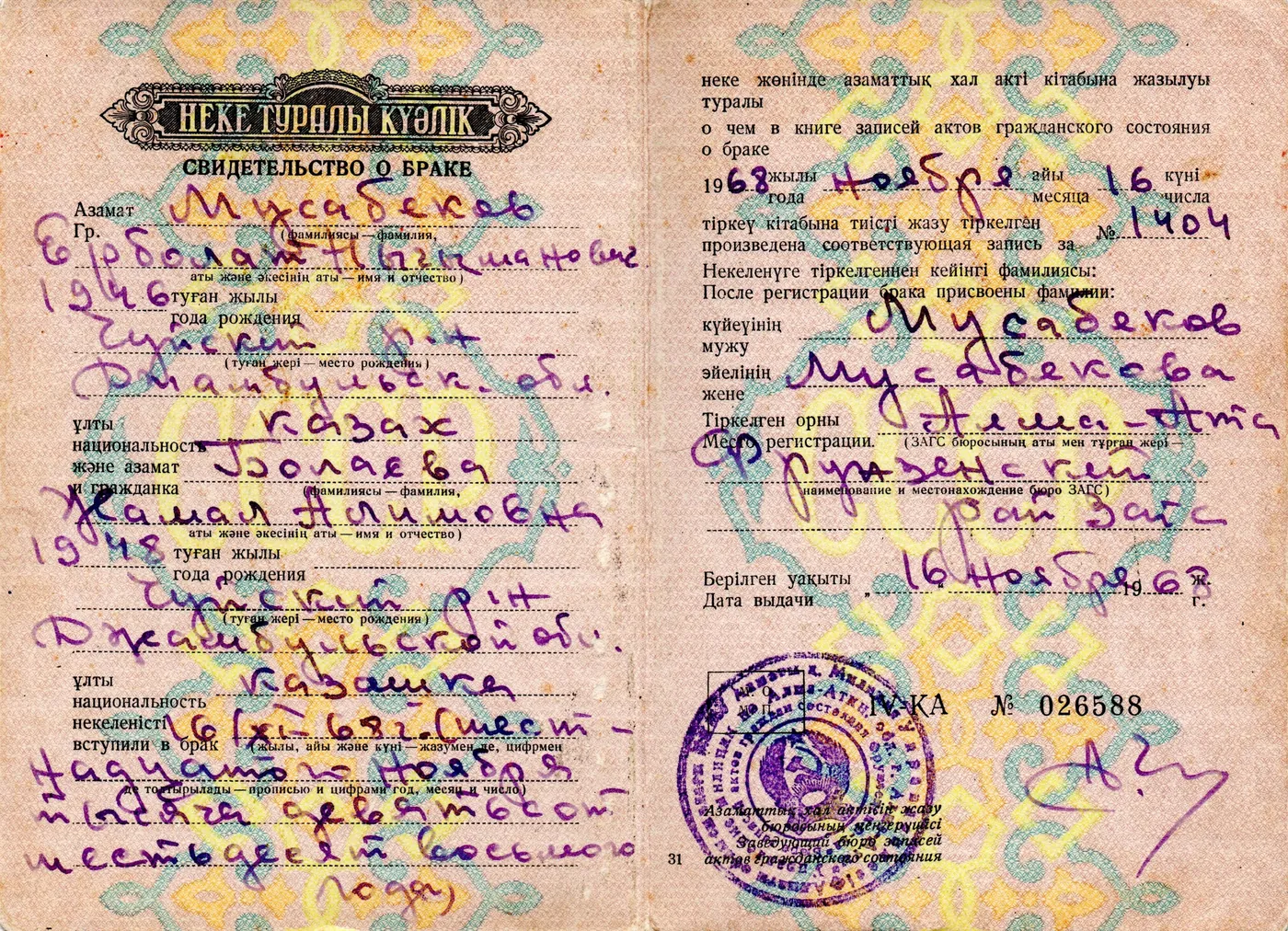
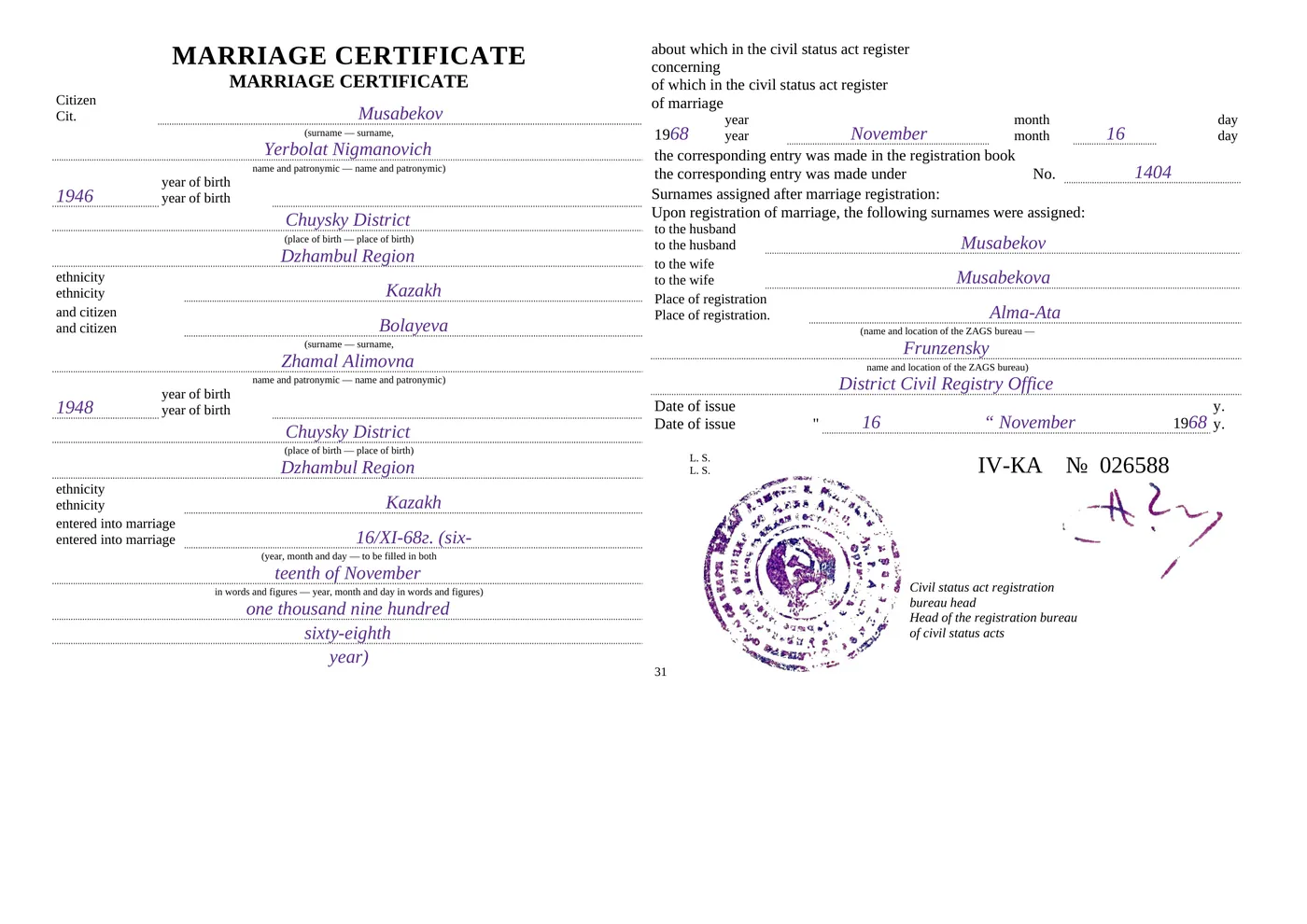
The format and file condition can matter too. A clean editable document is easier to count and work with than a scan that must first be read and reconstructed. Handwritten additions, poor image quality, tables, and unusual layouts can require separate attention. Ask whether such work is included in the translation price or quoted separately.
Editing is another distinct service, not a volume discount. One published price list reviewed for this research prices editing of an already completed translation at 50% of its translation rate. That is an example of a separate service charge, not a standard fee for editing and not a discount on a new translation. A quote should tell you whether editing is included, optional, or billed as another line.
When the deadline is tight, ask the provider to show two totals if the schedule is flexible: one for the requested deadline and one for a less compressed delivery plan. Don’t assume a larger batch can be completed quickly just because the pages are being discounted. A realistic schedule and clear scope are more useful than a low headline rate that excludes necessary review.
If the job is mostly repeated product copy, the price logic may differ from a one-off personal document or a specialist report. The article on e-commerce product descriptions at scale covers the particular issue of keeping large sets of listings consistent. For a job that combines machine translation and human review, adaptive machine translation and when it pays off explains a different pricing and workflow question.
Compare providers by the final quote, not the discount headline
A reliable comparison uses the same source files and asks every provider to itemize the same things. A 5% discount can still leave a higher total than another offer if the starting rate differs. A “free” repetition policy can also be less valuable than it sounds if the provider uses a different match count, or charges separately for required checking.
| Quote element | What to request | Why it affects the comparison |
|---|---|---|
| Source count | Characters or words, plus the counting method | Page totals depend on the unit and whether spaces count |
| Standard-page definition | Characters per page and rounding rule | A page is a billing unit, not necessarily a physical sheet |
| Language pair | The exact source and target languages | Base rates can differ by language pair |
| Text type | General, marketing, legal, technical, or another stated category | The provider may apply a different rate or complexity charge |
| Volume discount | Threshold, percentage, qualifying files, and calculation basis | A headline percentage doesn’t show what amount is reduced |
| CAT analysis | Match categories, segment counts, and billing weights | Repetitions and fuzzy matches may use different rates |
| Review | What happens to matched or machine-processed segments | Reduced billing weight doesn’t prove a segment was checked |
| Deadline | Standard and rush totals, with surcharge basis | Urgency can increase the final amount |
| Editing and layout | Included tasks and separate charges | A translation-only rate may exclude work you need |
| Final amount | Total for the specified scope and delivery | The total is what you pay, not the discount percentage |
Use the same file version when requesting prices. If one provider quotes a draft and another quotes a revised document, their counts won’t be comparable. Give each provider the same language pair, deadline, subject description, and requested deliverable.
The comparison also needs the same scope. A quote for translation alone isn’t equivalent to one that includes editing or file formatting. If a provider counts the translation from a scan, ask whether the scan needs transcription or reconstruction before translation and whether that work is included.
A lower price per standard page doesn’t settle the question if the provider defines the standard page differently. Ask for a sample calculation using your source file. A clear example makes it easier to spot differences in character counts, rounding, and the discount base.
Read the terms about revisions and changes to scope. If you add pages after the quote, ask whether the original rate still applies. If the deadline changes, ask whether the rush surcharge changes too. If a glossary or reference translation arrives later, ask whether it changes the CAT analysis or the editing scope.
For a document where tables and layout must remain usable, the output format is part of the comparison. In ChatsControl, you can upload a DOCX or PDF and receive a translated Word file that keeps the document’s layout; for a scanned file or photo, the service reads the page first and rebuilds a formatted Word copy. The tool also presents the source and translation side by side for review. It doesn’t provide Translation Memory leverage or segment-level CAT project management, so it isn’t a substitute for a CAT-based quote when the main savings question is repeated segments. ChatsControl is one option for document translation, with those limits in mind.
The right option depends on what you need to compare. A provider using CAT may be a better fit when match analysis is central to the pricing. A document translation tool may suit a file where preserving layout and reviewing the translation are the immediate concerns. A human translation and editing workflow remains important when the project needs specialist judgement or a service that the tool doesn’t provide.
A step-by-step way to request and check a discount
A written quote is easier to compare when you send a complete brief and ask for a calculation, not a general promise. Use this sequence for a large file, a batch of documents, or a project with repeated passages.
-
Prepare the exact files. Send the version you want translated, not an older draft or a mix of versions. Include any relevant reference material and explain whether the files belong to one project.
-
State the language pair and text type. Name the source and target languages and describe the subject. Tell the provider whether the files contain marketing copy, technical material, legal language, personal records, or another specific kind of text.
-
Give the deadline and output requirements. Say when you need the work and what form the final files should take. Include any request for editing, formatting, or particular file handling, so those tasks don’t appear later as unanticipated charges.
-
Ask for the count and unit. Request the source character or word count, the provider’s standard-page definition, and the rounding method. If you receive a page total, ask whether the count includes spaces and whether each file is rounded separately.
-
Ask for the volume terms in writing. Request the qualifying threshold, discount percentage, and calculation base. Ask whether the offer applies to all files together, to each file, or only to one part of the service.
-
Request a separate CAT breakdown. Ask whether the provider will run a CAT analysis and show new text, repetitions, full matches, and fuzzy matches as separate categories. Request the rate for each category and confirmation of how matched segments are checked.
-
Ask for surcharges and exclusions. Get separate figures for urgency, specialist complexity, editing, formatting, and other requested work. Ask which charges are percentage-based and what amount each percentage applies to.
-
Compare the final totals. Put the quotes next to one another only after you confirm that the files, scope, counting rules, and deadline match. Choose based on the complete written scope, not on the biggest percentage.
A short request can make the needed details clear:
Please quote for the attached files from [source language] into [target language]. Please state the source count, your standard-page definition and rounding rule, any volume-discount threshold and calculation basis, and any CAT match categories and rates. Please also list urgency, specialist, editing, and formatting charges separately and show the final total for the requested delivery date.
Replace the bracketed language pair and adjust the requested services before sending. The goal isn’t to dictate a provider’s pricing model. The goal is to get enough information to compare what each offer actually covers.
Keep the quote with the file version it prices. If the source changes, ask for an updated count and total before work continues. A small revision might change only a few words, while a larger revision can alter the match analysis or move the order across a stated threshold.
Common pitfalls that make a discount hard to verify
The most common mistake is treating a percentage as proof of savings. A discount is meaningful only in relation to its base price, qualifying amount, and the other charges on the quote. Ask the provider to show the amount before and after the discount, not just the percentage.
Another trap is comparing the price of a “page” without checking the page definition. The February 2025 Translation Centre procurement terms use 1,500 characters without spaces, while published offers may use 1,800 characters. A page count based on physical sheets can’t be compared directly with either standard. Ask for the character count and the rule used to produce the billable pages. The Translation Centre’s February 2025 terms give one documented example of a different unit.
A third mistake is treating every repeated sentence as a free segment. Repetition and Translation Memory matches are different categories in some pricing models, and a provider may apply different rates to each. A phrase that looks repeated to a reader may not match under the CAT tool’s segmentation or punctuation rules. Request the analysis instead of guessing from the document.
The opposite assumption can also cost you: a full match isn’t necessarily ready to publish without checking. The institutional terms from the Translation Centre and the EPO both describe checking CAT matches, including full or context matches, under their specified conditions. Those rules don’t automatically govern private work, but they are a reminder to ask who checks the segments and what review is included.
A rush surcharge can also outweigh the value of a modest volume discount. One published price list reviewed for this research specifies urgency and complexity surcharges, but those figures are not a general tariff. Ask for the total at your actual deadline and have the provider state whether each surcharge is applied before or after the discount.
Don’t compare a translation-only quote with one that includes editing and layout. In one published price list, editing an existing translation is priced as a separate service at 50% of that list’s translation rate. The figure is specific to that price list and shouldn’t be treated as a standard editing price. Ask what the quote includes, and whether the provider is translating from scratch or editing a translation you already have.
Finally, don’t assume that a quote based on a scan is equivalent to one based on editable text. A scanned page is an image rather than editable text, so the content needs to be read before it can be counted or translated. If a file includes stamps, tables, or handwritten notes, ask whether the provider can read them and how unreadable sections are handled. A low quote built on a count that excludes unclear material may change once the file is inspected.
FAQ
From how many pages do translation agencies give a volume discount?
There is no shared threshold. Published examples include a discount offer starting at 5 pages and another price list stating 3-5% off from 100 pages, so ask for the threshold and percentage in writing.
Can I get a discount for a 5- or 10-page translation?
Some published offers start at 5 pages, but not every service publishes a percentage or uses the same terms. Ask whether the offer covers your language pair and type of text.
Is a translation cheaper when the document has repeated passages?
It can be, if a CAT analysis finds eligible repetitions or matches in a usable Translation Memory. The rate depends on the provider’s match categories and discount scale.
What should I ask for to check a Translation Memory discount?
Ask for the CAT analysis, the number of new, repeated, full-match, and fuzzy-match segments, and the rate for each category. Also ask whether all segments still receive human review.
Can an urgent deadline cancel out a large-volume discount?
Yes. An urgency surcharge can increase the total even when a volume discount applies. Compare the final amount after all surcharges, editing, and layout costs.
Are Translation Memory discounts the same at every agency?
No. Institutional terms use different match categories and percentages, and private providers set their own commercial terms. There is no universal CAT discount scale.
Does a lower price per page mean the whole project is cheaper?
Not by itself. Compare the same language pair, counting unit, file scope, deadline, review, and extra charges, then look at the final total.
Should a provider check repeated or full-match segments?
Ask the provider to explain its review policy. The Translation Centre’s February 2025 conditions and the EPO’s 2025 technical conditions both describe checking CAT matches in their institutional settings, but private providers set their own terms.
For your next quote, keep the comparison simple: same files, same scope, same deadline, and a written breakdown of the count, discount, CAT analysis, surcharges, and final total. That gives you a real basis for deciding whether the offer saves money, rather than asking you to take the percentage on trust.
Need these documents translated?
Leave your number and we will message you, tell you which certification your institution needs, and name the price. Translation, translator review and notary certification.